The London Eye celebrated its 25th birthday in 2025, West End theatres shattered attendance records with 17.1 million visitors, and the Elizabeth Line has transformed how you’ll navigate this remarkable city. Whether you’re visiting for three days or three weeks, London’s blend of historic grandeur and modern innovation creates experiences you won’t find anywhere else.
But here’s the reality: London can overwhelm first-time visitors. The city spans 607 square miles, operates six international airports, and houses hundreds of museums. Without proper planning, it’s easy to waste precious time figuring out Oyster cards (smartcards for public transit), overpay for airport transfers, and generally miss out on the experiences that make London extraordinary.
This guide solves those problems. You’ll learn exactly which airport transfer saves you money, how to navigate the Tube like a local, where to find the best Sunday roast, and which neighborhoods match your travel style. By the end, you’ll have everything you need to experience London confidently and affordably.
Fast Facts and Snapshot
Essential Information:
- Time Zone: GMT (UTC+0), BST (UTC+1) March-October
- Currency: Pound Sterling (£)
- Electrical: 230V, Type G plug (three rectangular prongs)
- Tipping: 10-12% at restaurants (often included), not expected in pubs
- Language: English (though you’ll hear 300+ languages spoken)
Budget Ranges:
- Budget travelers: $60-100 per day (hostel, public transport, free attractions)
- Mid-range: $120-240 per day (3-star hotel, mix of free/paid attractions)
- Luxury: $360+ per day (4-5 star hotels, premium dining, private transfers)
Weather by Season:
- Spring (March-May): 52-59°F, occasional rain
- Summer (June-Aug.): 64-73°F, peak tourist season
- Autumn (Sep-Nov): 52-59°F, fewer crowds
- Winter (Dec-Feb): 36-45°F, Christmas markets
Remaining 2025 Bank Holidays: Christmas (Dec. 25), Boxing Day (Dec. 26)
Getting to London: Airports and Transfers

Your London experience starts the moment you land in the United Kingdom. Choose the wrong transfer, and you’ll spend an extra hour in transit, a mistake that commonly costs significantly more. Here’s exactly how to navigate each airport and avoid unnecessary fees.
Heathrow (LHR)
Heathrow handles most long-haul international flights, sitting 14 miles west of Central London. You have three main options.
Piccadilly Line: This option is the budget champion at around $9-10 to Zone 1. It takes 45-60 minutes and runs directly to major stations, including King’s Cross, Leicester Square, and Covent Garden. First trains depart around 5 a.m., and last trains stop around midnight.
Heathrow Express: Reaches Paddington in 15 minutes for around $40 (significantly cheaper if booked 90+ days ahead). Trains run every 15 minutes between 5:10 a.m. and 11:25 p.m.
Elizabeth Line: The sweet spot! Reach Central London in 35 minutes for around $20. Stops include Bond Street, Tottenham Court Road, and Liverpool Street. Runs 5:30 a.m. to midnight.
Gatwick (LGW), Luton (LTN), and Stansted (STN)
These airports primarily serve European and budget carriers. Each requires different strategies:
Gatwick Express: Non-stop to Victoria Station in 30 minutes for around $35. But here’s the insider tip: Thameslink trains take just 10 minutes longer for around $20. Southern trains offer similar savings.
Stansted Express: Connects to Liverpool Street in 47 minutes. Advance tickets start around $15, and walk-up fares reach $35. Book at least 2 hours ahead online for significant savings.
Luton: Trickiest of the bunch. You’ll need a shuttle bus to Luton Airport Parkway station (included in train tickets), then Thameslink to St Pancras. Total journey time: 40-50 minutes, approximately $25-30.
London City Airport and Regional Arrivals
London City Airport offers a premium experience for business travelers. The DLR (Docklands Light Railway) whisks you to Bank in 22 minutes for around $9. The airport’s compact size means a 20-minute deplaning time to the train platform. For late-night arrivals, National Express coaches run 24/7 from all airports. They’re slower (60-90 minutes), but a reliable and affordable choice (starting around $15-20) after the trains stop.
Navigating London Like a Local
London’s transport network moves millions of people daily. Master these systems and you’ll navigate the city faster than locals stuck in their routines.
The Underground (Tube) and Contactless Payment
The Tube runs from approximately 5 a.m. to midnight on weekdays, with reduced weekend hours. Use contactless payment (credit card or phone) directly at barriers. Daily caps ensure you never overpay, with Zone 1-2 capping around $10-12.
Oyster vs Contactless: Tourists often buy Oyster cards unnecessarily. Your contactless bank card or phone does the same thing at the same price. Skip the Oyster card line and tap your way through.
Buses, Trams, and River Boats
London buses offer the city’s best bargain: the Hopper fare allows unlimited buses within one hour for around $2.50. Each tap counts toward your daily cap.
Tourist-Friendly Routes:
- Route 11: Victoria to Liverpool Street via Westminster, Trafalgar Square, St Paul’s
- Route 15: Paddington to Tower Hill via Oxford Street, Trafalgar Square
- RV1: Tower Bridge to Covent Garden along the South Bank
Thames Clippers river buses run every 20 minutes between key piers. Not the cheapest option (around $12 for central zones), but it beats any sightseeing cruise.
Taxis, Rideshares, and Cycling
Black cabs remain an icon but cost 50-100% more than Uber. All accept contactless payment. Use them for short hops when public transport fails, such as reaching your hotel from the nearest Tube stop when carrying heavy luggage.
Uber operates throughout London with typical wait times under 5 minutes in central areas. Bolt often undercuts Uber by 10-20%.
Santander Cycles (“Boris Bikes”) cost around $3 per 30 minutes. With 800 docking stations, they’re perfect for short journeys in good weather. New e-scooter trials in select boroughs offer similar flexibility.
Where to Stay: Best London Neighborhoods
London doesn’t have a single “best” area. Instead, it has distinct villages, each with its own unique character. Your ideal base depends on priorities, such as sightseeing convenience, nightlife, budget, or an authentic neighborhood feel.
Central Classics (Covent Garden, Soho, Westminster)
Covent Garden puts you at the heart of it. Walk to West End theaters, the British Museum, and endless restaurants. The downside? You’ll pay $200- $ 400 per night for decent London hotels. The area buzzes with tourists but offers unbeatable convenience.
Soho attracts night owls with its bars, restaurants, and LGBTQ+ scene. More affordable than Covent Garden ($150-300) but noisier. Perfect if you plan late nights.
Westminster suits traditional sightseers. Big Ben, Westminster Abbey, and Buckingham Palace sit on your doorstep. Hotels run $230-500. The area empties after dark, making it great for quiet evenings but less ideal for variety in dining.
Culture and Museums (Kensington, South Bank)
South Kensington offers refined London living. The V&A, Natural History, and Science Museums provide days of free entertainment. Hyde Park serves as your backyard. Hotels start around $260, with family-friendly apartments also available. The trade-off: 20-minute Tube rides to East London attractions.
South Bank balances culture and convenience. The Tate Modern, Globe Theatre, and Borough Market create a walkable cultural corridor. Premier Inn and boutique hotels offer nightly rates ranging from $140 to $280. The riverside location provides stunning views and easy access to both Westminster and the City.
Trendy and Budget-Friendly (Camden, Shoreditch, King’s Cross)
Camden pulses with alternative culture. Music venues, the famous market, and Regent’s Park create a lively atmosphere. Find hostels from $40 and hotels around $110-210. The Northern Line provides quick central access.
Shoreditch leads London’s creative scene. Street art, independent coffee shops, and buzzing nightlife attract younger travelers. Accommodations range from $30 hostels to $140 boutique hotels. The area transforms at night; quiet residential streets become party central.
King’s Cross shed its seedy reputation to become a hub for transport and technology. Its location can’t be beaten, as you can reach anywhere via six Tube lines and National Rail. Hotels run $100-220. The massive regeneration has led to construction noise in some areas.
Charming Villages (Notting Hill, Greenwich)
Notting Hill delivers the London of romantic comedies. Pastel townhouses, Portobello Market, and charming pubs create a village atmosphere. Hotels start around $200. You’re slightly removed from major sights but gain an authentic neighborhood feel. Kensington Gardens is also nearby, offering picturesque scenery and leisurely walks for visitors.
Greenwich offers maritime history and parkland 20 minutes from central London. See the Meridian Line, explore the Cutty Sark, and enjoy lower prices ($110-210). Perfect for a quieter base with easy access to the DLR.
Top 15 Must-See Attractions in 2025
London’s attractions span 2,000 years of history plus cutting-edge modern experiences. Strategic planning helps to prevent exhaustion and maximizes your time and the number of activities you can partake in London.
Historic Icons
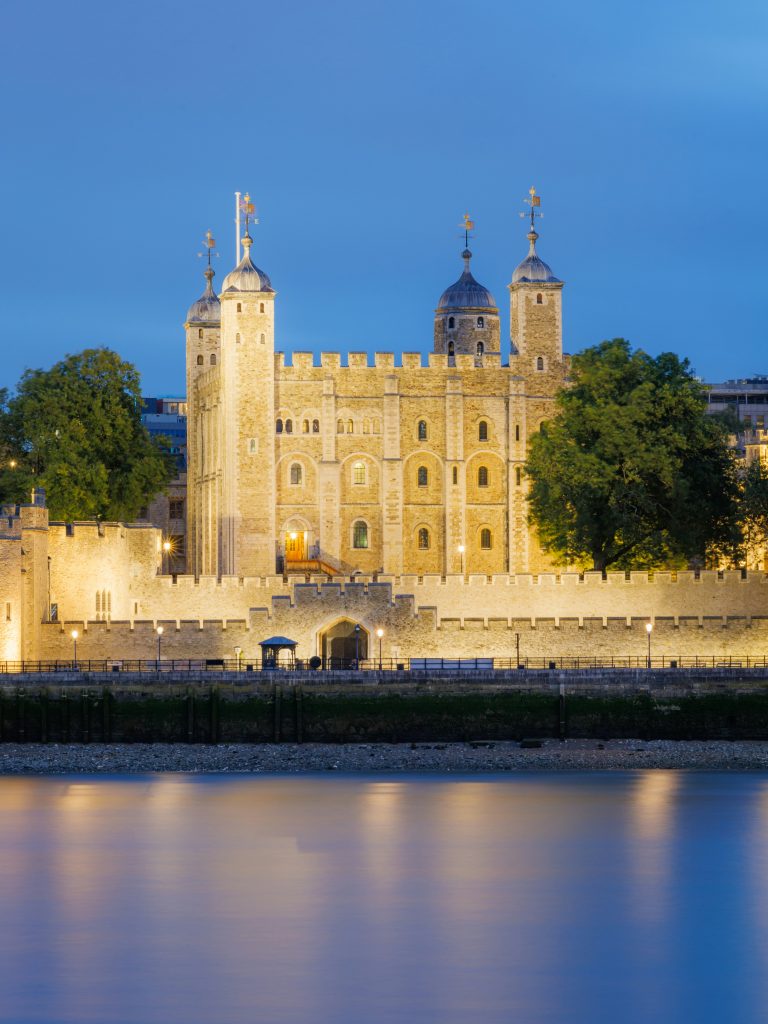
Tower of London: William the Conqueror’s 1078 fortress deserves its reputation. The Crown Jewels dazzle, but the real magic comes from Yeoman Warder tours. These “Beefeaters” spin tales that bring bloody history alive. Tickets cost around $50 (book online to save). Arrive at opening (9 a.m. Tuesday-Saturday) to beat crowds.
Buckingham Palace: The Changing of the Guard runs Monday, Wednesday, Friday, and Sunday at 11 a.m. Arrive by 10:15 for good views near the Victoria Memorial. The ceremony’s free, but expect crowds. State Room tours (summer only) cost around $42 and sell out weeks ahead. Buckingham Palace is the official residence of the royal family and a symbol of the British monarchy.
Westminster Abbey: This Gothic masterpiece houses the remains of 3,000+ individuals, including monarchs, poets, and scientists. The audio guide (narrated by Jeremy Irons) transforms stone into stories for around $40. Verger tours, at an additional cost, provide exclusive access to areas that are usually restricted.
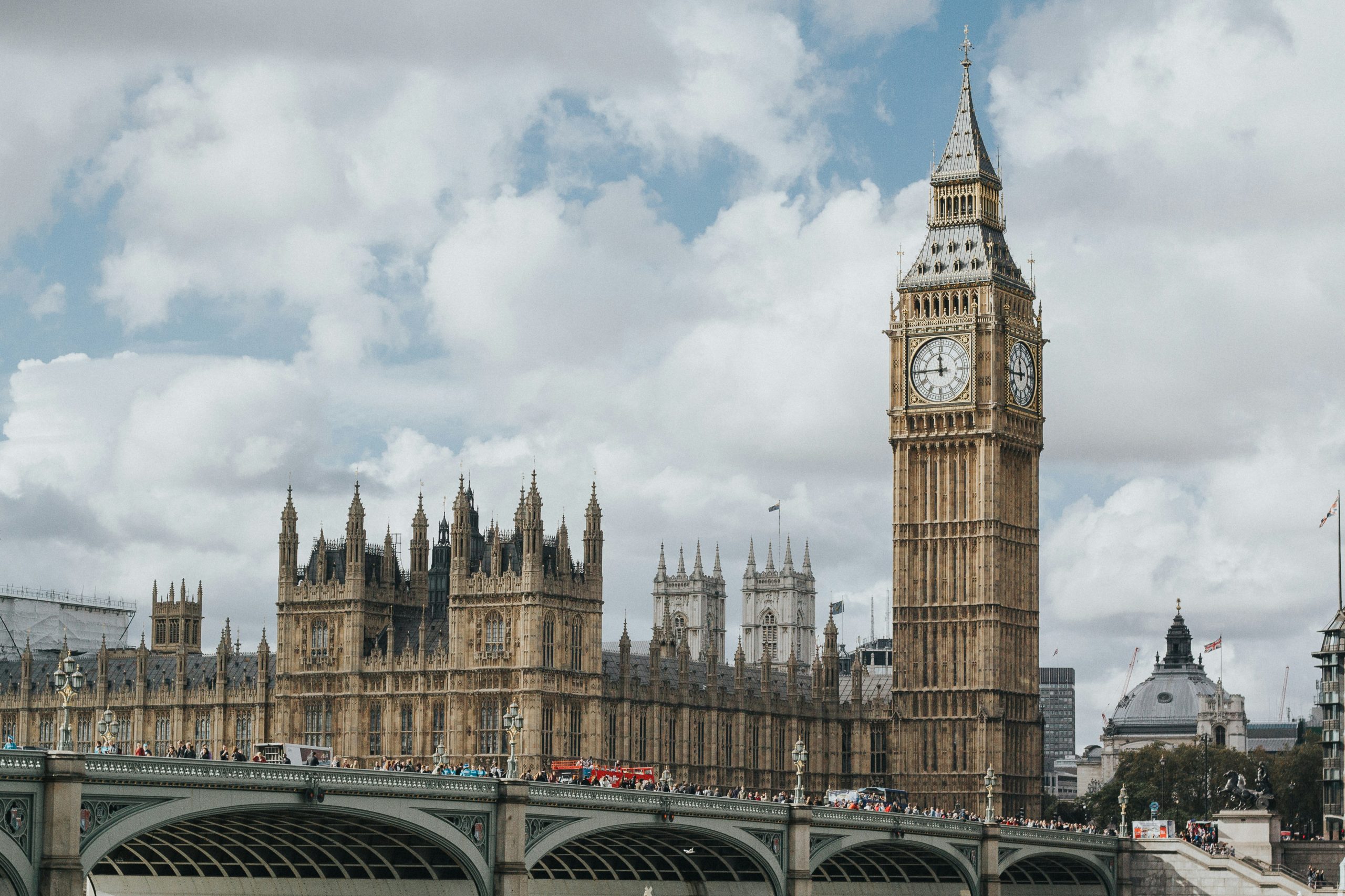
Big Ben and Parliament: The iconic clock tower next to the Houses of Parliament was renamed Elizabeth Tower in 2012 to commemorate Queen Elizabeth II’s Diamond Jubilee. Big Ben is the nickname for the Great Bell in the Elizabeth Tower, which stands as a symbol of London’s historic and cultural heritage.
Tower Bridge: The Victorian engineering marvel offers two experiences: walk across for free, or pay around $20 for the exhibition, which includes glass-floor walkways 140 feet above the Thames. Check the online schedule to ensure your visit falls within bridge lift times.
Hampton Court Palace: A magnificent royal residence renowned for its Tudor history and association with Henry VIII. Visitors are drawn to its grand architecture, vast kitchens, beautiful gardens, and legendary ghost stories, making it a must-see for those interested in London’s royal heritage.
Modern Marvels and Views
London Eye: Celebrating 25 years in 2025, this 443-foot wheel carries millions of riders annually. Standard tickets run around $48, but here’s the deal: book sunset slots for day and night views in one rotation. Fast-track tickets (around $65) cut queues from 45 to 15 minutes during peak times.
The Shard: Western Europe’s tallest building offers spectacular 360-degree views from floors 69-72. Tickets cost around $48, but visit the bars on floors 31-33 instead. A cocktail around $23 includes the same views without admission fees.
Sky Garden: London’s highest public garden provides free panoramic views. Entry is entirely free, making it a top choice for budget-conscious travelers. The catch? Book slots online exactly 3 weeks ahead; they disappear in minutes.
Free World-Class Museums
British Museum: Home to the Rosetta Stone and Egyptian mummies. Focus on 2-3 sections per visit, or you’ll suffer artifact overload. The museum’s late nights (Fridays until 8:30 p.m.) offer smaller crowds.
National Gallery: European masterpieces from Leonardo to Van Gogh. The free hourly tours provide context that transforms paint into a narrative. The Sainsbury Wing houses must-see Renaissance works.
Tate Modern: Contemporary art in a converted power station. The turbine hall installations alone justify the visit. Cross the Millennium Bridge for the whole architectural experience.
West End and Live Culture
London’s theater scene rivals Broadway with one advantage: cheaper tickets. Day seats (sold each morning) cost approximately $30-$60 for premium shows. The TKTS booth in Leicester Square offers same-day discounts up to 50%. The Globe Theatre provides authentic Shakespeare experiences for around $7-10 standing tickets. Yes, you stand for three hours like a 17th-century groundling, but the atmosphere is unmatched.
Hidden Gems and Local Experiences
Beyond blockbuster attractions, London rewards explorers who venture off tourist tracks.
Shoreditch Street Art: The area between Shoreditch High Street and Brick Lane showcases world-class murals. Join Alternative London’s street art tours (around $32) or explore solo with the Street Art Cities app.
Little Venice: This canal junction near Paddington offers waterside pubs and narrowboat cafes. Walk the towpath to Regent’s Park or catch a waterbus to Camden Lock (about $24 round-trip). For an authentic British experience, stop by a local pub in the area to enjoy authentic ambiance and hospitality.
Hampstead Heath: This 790-acre park provides the best free views in London. Parliament Hill’s panorama stretches from the City to Canary Wharf. The adjacent village offers gastropubs and boutiques at more affordable prices.
Dennis Severs’ House: This Spitalfields townhouse creates an immersive journey through centuries. The “Silent Night” candlelit tours (around $36) transport visitors to Georgian London.
God’s Own Junkyard: Walthamstow warehouse packed with neon signs and movie props. Admission is free, although you may want to budget for the attached Rolling Stock Bar.
Markets and Shopping: London’s Best Bazaars and Boutiques

London is a shopper’s paradise, offering everything from historic food halls to cutting-edge fashion districts. Whether you’re hunting for vintage treasures, gourmet treats, or the latest designer labels, the capital city’s markets and boutiques deliver a classic London experience that’s as diverse as its neighborhoods.
Iconic Markets (Borough, Portobello, Camden)
No visit to London is complete without exploring its legendary markets. Start at Borough Market, a short walk from London Bridge, where the city’s oldest food market buzzes with local vendors, artisan producers, and global flavors. While it’s famous for its food, you’ll also find stalls selling kitchenware, cookbooks, and unique gifts, making it easy to pick up a souvenir that captures the spirit of British culture.
Head west to Notting Hill for the world-renowned Portobello Road Market. On Saturdays, the entire street transforms into a vibrant bazaar, with antique dealers, vintage clothing stalls, and quirky collectibles lining the pastel-hued terraces. It’s a must for anyone seeking hidden gems and a taste of London’s bohemian side.
For a more alternative vibe, Camden Market in North London is a haven for music lovers, fashionistas, and foodies alike. Browse through hundreds of stalls offering everything from handmade jewelry to retro band tees, then refuel with global street food along the canal. The market’s creative energy and eclectic mix make it a favorite with both London locals and visitors.
Unique Finds and Vintage Treasures
If you’re after one-of-a-kind pieces, London’s vintage stores and independent boutiques are a goldmine. Brick Lane in East London is legendary for its Sunday market, where you can sift through rails of vintage clothing, rare vinyl, and upcycled furniture. The area’s street art and coffee shops add to the creative buzz, making it a great spot to soak up local flavor.
Covent Garden, in the heart of the city center, is packed with specialty shops, craft stalls, and designer pop-ups. It’s the perfect place to find unique gifts, handmade accessories, or even catch a street performance between shopping sprees. Don’t overlook the charity shops scattered throughout the city. These often hide true vintage treasures at bargain prices.
For inspiration and a dose of British history, the Victoria and Albert Museum in South Kensington offers not only world-class art and design exhibits but also a beautifully curated gift shop. Here, you’ll find exclusive prints, jewelry, and homeware inspired by the museum’s vast collections, making them ideal stylish mementos of your visit to London.
Shopping Streets and Department Stores
London’s famous shopping streets are a destination in themselves. Oxford Street is the beating heart of retail, home to flagship stores, high-street fashion, and the iconic Selfridges department store. Just around the corner, Regent Street dazzles with its grand architecture and a mix of international brands and British heritage labels.
For luxury shopping, Bond Street is the place to spot the latest designer collections, while Liberty London and Harrods offer a blend of tradition and trendsetting style. These department stores are as much about the experience as the shopping. Don’t miss their legendary window displays and food halls.
If you need a break from retail therapy, the area around the British Museum on Great Russell Street is dotted with charming cafes and bookshops, making it easy to recharge before diving back into the city’s shopping scene. Whether you’re browsing for high fashion, quirky souvenirs, or timeless antiques, London’s shopping districts promise something for every taste and budget, ensuring your trip to London is as stylish as it is memorable.
Dining, Pubs, and Nightlife
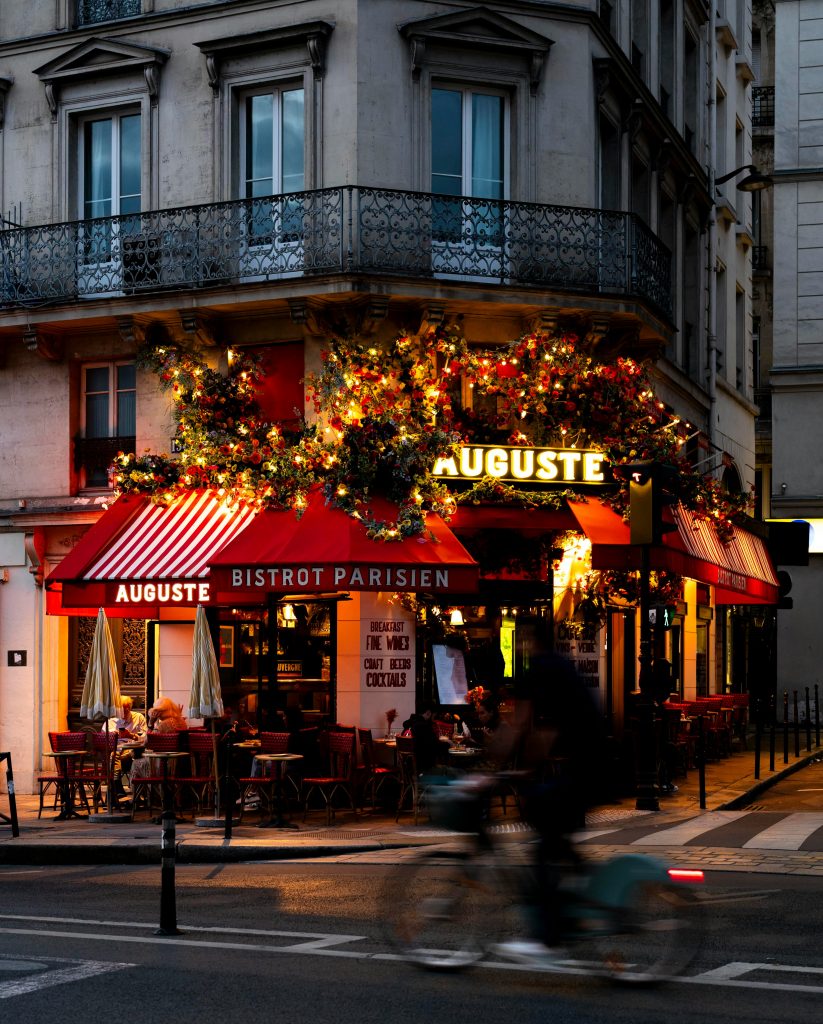
London’s food scene exploded beyond fish and chips decades ago. The city now rivals Paris and New York in terms of culinary diversity and innovation. Indian food is a vital part of London’s culinary landscape, with renowned restaurants and authentic dishes available throughout the city.
Budget Eats and Food Markets
Borough Market: London’s oldest food market (1014 AD) serves everything from Ethiopian injera to British farmhouse cheese. Budget $15-25 for a substantial lunch. Avoid Saturday unless you enjoy crushing crowds.
Brick Lane: The curry capital offers fierce competition that benefits your wallet. Most restaurants provide BYOB policies. Grab beer from corner shops and save significantly on drinks.
Street Food: KERB markets rotate locations daily, serving gourmet dishes under $15. Download their app for schedules. Boxpark Shoreditch and Pop Brixton offer permanent street food courts.
Classic British Fare and Sunday Roast
Sunday roast remains sacred. The Harwood Arms (Chelsea) earned a Michelin star for its venison roast (around $42). For traditional experiences without premium prices, try The Ivy House (Nunhead) or The Eagle (Farringdon). Both serve excellent roasts for around $28.
Fish and chips quality varies wildly. Poppies (multiple locations) delivers a nostalgic 1950s atmosphere with properly flaky fish. The Golden Hind (Marylebone) has served the same recipe since 1914.
Pub Etiquette and Craft Beer Scene
Understanding pub culture prevents awkward moments. First rule: order at the bar. Table service is not typically available in traditional pubs. When buying rounds, everyone takes turns paying for the group; dodging your turn is akin to committing social suicide.
Travly Insider Tip: Tipping bartenders isn’t expected. Offering to buy them a drink (“and one for yourself?”) or rounding up (“keep the change”) shows appreciation without breaking protocol.
The craft beer revolution transformed London’s pub scene. The Bermondsey Beer Mile features 15+ breweries along a two-mile stretch of railway arches. Saturday afternoons create the best atmosphere.
Budgeting and Money-Saving Hacks

London’s reputation for expense has some truth, but smart planning can stretch budgets significantly.
Daily Cost Breakdown:
- Transport: approximately $10-12 (Zones 1-2 daily cap)
- Breakfast: $5-13 (cafe) or free (hotel)
- Lunch: $10-23 (sandwich shop to casual restaurant)
- Dinner: $18-47 (pub meal to mid-range restaurant)
- Attractions: $0-95 (mix free museums with paid sights)
The London Pass Math: At around $145 for one day, you need to visit $150+ worth of attractions to break even. It works if you’re hitting Tower of London, Westminster Abbey, and a Thames cruise in one ambitious day. Otherwise, skip it.
2-for-1 Rail Deals: This underutilized program offers buy-one-get-one-free at major attractions when traveling by train. Print vouchers from daysoutguide.co.uk and present with same-day rail tickets.
Time Your Visits: Many paid attractions offer reduced twilight rates. The Churchill War Rooms drop to around $28 after 4:30 p.m. The Shard’s advance morning tickets cost around $37, compared to $48 for walk-ups.
Happy Hours: Most pubs and bars run 4-7 p.m. specials. Apps like Design My Night map current deals. Some offers slash prices 50%, turning expensive pints into affordable bargains.
Sample Itineraries
These tried-and-tested itineraries balance must-see attractions with practical logistics, preventing excessive exhaustion while maximizing experiences.
Three-Day First-Timer Blitz
Day 1 – Royal and Political London: Start at Westminster Abbey (9 a.m.), walk to Big Ben and Parliament. Take a walk across Westminster Bridge for iconic views of the Thames, Big Ben, and the Houses of Parliament. This is a great photo spot and a classic crossing point for sightseeing walks in central London. Cross to the London Eye (pre-booked 11:30 a.m.). Afternoon at the Tower of London. Evening in a South Bank pub.
Day 2 – Museums and Markets: British Museum (opening at 10 a.m.), lunch in Covent Garden. Afternoon exploring the National Gallery and Trafalgar Square. Pre-theater dinner in Soho, West End show.
Day 3 – Modern London: Borough Market breakfast, walk across Tower Bridge. Explore the City, including St Paul’s Cathedral. Late afternoon in Shoreditch for street art. Sunset from Sky Garden (pre-booked).
Five-Day Balanced Explorer
Add to the 3-day itinerary:
Day 4 – West London Culture: Morning at the V&A or Natural History Museum. Lunch in South Kensington. Afternoon in Hyde Park and Notting Hill. Portobello Market if Saturday.
Day 5 – Local London: Choose between Camden (markets and music), Greenwich (maritime history), or Hampstead (village charm and heath walks). Evening exploring your chosen neighborhood’s pub scene.
Seven-Day In-Depth Cultural Week
Expand the 5-day plan with:
Day 6 – Art and Innovation: Tate Modern morning, walk the South Bank to Shakespeare’s Globe. Afternoon at the Design Museum or Science Museum. Evening exploring King’s Cross regeneration.
Day 7 – Hidden London: Dennis Severs’ House morning tour. Explore Spitalfields Market and Brick Lane. Afternoon in unusual museums (Soane’s, Wellcome Collection, or Grant Museum). Farewell dinner in your favorite discovered spot.
Day Trips From London
London’s strategic location enables diverse day trips mixing history, culture, and countryside.
Stonehenge: The 5,000-year-old mystery sits 88 miles west. Trains to Salisbury (90 minutes, from around $30) connect with local buses. Alternatively, tour packages from around $95 include transport and entrance. Visit the stones early in the morning or late in the afternoon for smaller crowds and better photos.
Bath and Roman Baths: This Georgian spa city charms with honey-colored architecture. Direct trains from Paddington take 90 minutes (from around $38). The Roman Baths (around $30) alone justify the trip, but leave time for the Royal Crescent and Pulteney Bridge. Combination tours often include Stonehenge.
Windsor Castle: The royal weekend home draws over a million annual visitors. Trains run twice hourly from Paddington (45 minutes, around $18). The State Apartments and St George’s Chapel warrant the $34 admission. Combine with Eton or scenic walks along the River Thames, or enjoy a boat ride for a different perspective of Windsor.
Oxford vs Cambridge: Both universities merit a visit, but if choosing one, consider your interests. Oxford offers Harry Potter filming locations and the magnificent Bodleian Library. Cambridge provides prettier river punting and concentrated college architecture. Both reach London in one hour ($22-36). While in central London, don’t miss St Paul’s Cathedral, a major landmark known for its architectural grandeur and panoramic city views.
Brighton: This seaside escape delivers beach kitsch and excellent restaurants. Trains from Victoria take 60 minutes (around $22-29). Walk the pier, explore The Lanes shopping, and try proper seaside fish and chips. Summer weekends get packed.
Hampton Court Palace: Reach this Tudor masterpiece easily by train from Waterloo Station, the central connection point for visitors. The palace’s gardens and maze are highlights.
Kew Gardens: Explore the world-famous botanical gardens and don’t miss the Palm House, a historic greenhouse showcasing diverse tropical and exotic plant collections; a must-see for plant lovers.
Practical Tips: Safety, Etiquette, and Tech
Small details make big differences in London travel comfort and safety.
Payment Revolution: London runs virtually cashless. Every merchant accepts contactless payment. Link cards to Apple/Google Pay for added security. Cash only matters for occasional market stalls or tips.
Connectivity: Free Wi-Fi blankets central London with Tube stations, all cafes, and most attractions. For constant connection, grab a pay-as-you-go SIM at any newsagent (around $24-32 for ample data). eSIM options through Airalo or Holafly activate instantly. Download Google Maps offline before arrival for reliable navigation and route planning, even without cell service. Know your nearest tube station for quick access to London’s transport network and easy travel to major landmarks.
Emergency Preparedness: Save 999 for emergencies, 111 for non-urgent medical advice. EU citizens should carry their EHIC/GHIC cards to access healthcare. Travel insurance remains essential, as private health care costs in London rival those in America.
Cultural Navigation: Londoners queue religiously; jumping lines brands you instantly. Personal space matters on public transport. Loud phone conversations annoy locals. “Sorry” serves as a universal lubricant for any minor inconvenience.
Weather Reality: London’s rain reputation exceeds its actual rainfall. But the weather changes quickly. Layer your clothing and always carry a compact umbrella.
Final Checklist and Next Steps
Smart London trips follow this booking timeline.
Three Months Before:
- Book flights (Tuesday/Wednesday departures often cheaper)
- Reserve accommodation (rates rise closer to travel)
- Purchase West End show tickets for popular productions
One Month Before:
- Book restaurant reservations for special meals
- Reserve Sky Garden free tickets
- Buy advance train tickets for day trips
One Week Before:
- Download transport apps (Citymapper, Uber, TfL Go)
- Check attraction opening hours (many close Mondays)
- Screenshot the offline maps of your neighborhood
- Notify banks of travel to prevent card blocks
Ready to experience London like a local? Visit Travly.com to compare hotel rates and find the best deals for your perfect London adventure.