
Last month, my colleague was shocked when I booked the same hotel she had just reserved for $80 less per night. This made me realize that many travelers are missing out on significant savings when booking accommodations.
Welcome to the ultimate guide to finding hotel deals. Recent data shows that 72% of travelers book hotels online, yet many still overpay by 20-50% due to a lack of knowledge about effective strategies. This guide will provide valuable insights for travelers looking to save money and make informed decisions.
Americans take multiple leisure trips each year, and strategic booking choices can add up to substantial annual savings. After a decade of analyzing hotel pricing and testing booking methods, I’ve created this guide with proven strategies to help travelers consistently save 20-50% on lodging.
Compare Prices the Right Way

Price comparison sounds simple: plug your dates into a few sites and pick the cheapest option, right? Wrong. To find the best deal and secure the best price, you need to use multiple hotel websites for your search.
The hotel booking ecosystem is deliberately designed to confuse you into overpaying. Comparing hotel prices across different platforms is essential to avoid missing out on steep discounts.
Use Multiple Meta-Search Engines
Start with websites like Travly, which aggregate prices from multiple booking sites, providing a comprehensive view of available rates. They act like search engines for hotel bookings, showing you who sells rooms and at what price without selling directly.
It’s important to note that each of these websites has different partnerships and search methods. One might show you 15 hotel booking options, while another shows 12. Because the listings don’t overlap entirely, check at least 3 of these sites to get a comprehensive picture of available prices.
Avoid Sponsored “Top Deals”
Those prominently featured “best deals” at the top of search results? They’re often not the best deals. Investigations by MoneySavingExpert found that highlighted hotel booking deals cost 3-11% more on average than the actual lowest available rate. In some cases, these “deals” were 20% or more expensive than options buried further down the page.
The mechanics are simple: booking sites pay for prominent placement, and meta-search engines highlight partners who pay higher commissions. That shiny “Great Deal!” badge often means “Great Commission!” for the platform. Always scroll through all available options and sort by price, not by “recommended” or “best value.”
Browse in Incognito Mode
Website cookies track your search behavior and can trigger dynamic pricing, the digital equivalent of a salesperson sizing up how much you’re willing to pay. When booking sites detect repeated searches for the exact dates and hotels, they often increase the displayed prices to create a sense of urgency.
Always search in incognito or private browsing mode. This prevents sites from accessing your search history and showing you inflated “return visitor” prices. I’ve personally seen price differences of $15-30 per night simply by switching to incognito mode. It takes two seconds and costs nothing.
Install Price-Checker Browser Extensions
Browser extensions like Honey, Capital One Shopping, and Rakuten automatically scan for applicable coupon codes and cashback offers at checkout. These tools run in the background and activate when they detect you’re on a booking site. I’ve found codes for 15% off that weren’t advertised anywhere on the hotel’s site.
Stack Loyalty and Membership Savings
What is the biggest mistake I see travelers make? Treating discounts as either/or propositions. The real savings come from stacking multiple discounts on a single booking.
AAA, AARP, and Other Membership Rates
AAA membership typically unlocks 10-20% off standard rates at major chains. At Best Western, AAA members routinely save 20% off standard prices. Hyatt’s AAA rates often include 10% off plus complimentary breakfast, potentially adding $30-50 in additional daily value.
AARP membership (just $20/year) unlocks even bigger discounts for travelers ages 50 and above. Members report savings of up to 50% at Hyatt properties and 15% at Omni Hotels.
The math is simple. One or two nights’ savings pay for several years of membership.
Here’s the stacking strategy: these membership discounts usually combine with hotel loyalty programs. Book using your AAA rate while logged into your Marriott Bonvoy account, and you’ll get the discount plus earn points toward free nights. This means you save money upfront and accumulate points redeemable for free or discounted rooms on future stays.
Chain Loyalty Programs
Every major chain offers a free loyalty program, including Marriott Bonvoy, Hilton Honors, World of Hyatt, and IHG Rewards. Even if you only stay a few nights per year, membership pays off immediately through perks like free Wi-Fi (worth $15-25/day), room upgrades, and late checkout.
The real value comes from understanding each program’s sweet spots. Hyatt points are generally worth several cents each, making their credit card sign-up bonuses exceptionally valuable. Hilton frequently runs promotions offering double or triple points, effectively giving you 20-30% back in future stay value.
OTA Rewards and Credit-Card Points
Online travel agencies (OTAs) have their own loyalty programs. Hotels.com gives you a free night after every 10 bookings. Orbitz Rewards offers “Orbucks,” essentially 3% back on hotel bookings. These programs cost nothing to join, and savings stack up quickly for frequent travelers.
Credit card rewards deserve special attention. Travel credit cards often offer 3-5x points on hotel bookings, plus sign-up bonuses worth $500-1,000 in travel value. Some cards include annual free night certificates worth more than the yearly fee. The key is to choose cards aligned with your travel patterns and pay balances in full to avoid interest charges.
Perfect Your Booking Timing

Timing isn’t just about when you travel; it’s about when you book. Get it wrong, and you may pay 30-50% more for identical accommodations. Early bookings can help secure lower rates and provide more options, especially during busy travel periods.
Off-Season and Shoulder-Season Deals
Achieve your most significant savings by traveling during off-peak periods. Off-peak seasons are especially advantageous for budget travelers seeking the lowest rates, as destinations often offer cost-effective accommodation, food, and activities. Shoulder season, the period between peak and off-peak travel, provides the best value with decent weather, fewer crowds, and rates 30-50% lower than peak pricing.
Here’s what most guides won’t tell you: micro-seasonality matters more than macro-seasonality. A beach resort might be “off-season” in October, but if there’s a major festival that weekend, prices spike above summer rates. Always check local event calendars before assuming off-season equals cheap.
Weekday vs Weekend Price Fluctuations
Urban hotels follow predictable patterns. Lodging that’s expensive Monday through Thursday (business travel) tends to be significantly cheaper Friday through Sunday (leisure travel). Resort destinations flip this pattern: expensive weekends, cheaper weekdays.
I recently booked a downtown Chicago hotel for $89 on Saturday night. The same room for Tuesday cost $289, a 70% discount simply by adjusting travel dates. Sunday nights are consistently the cheapest in most markets, often 40-50% below mid-week rates.
30-Day and 7-Day Booking Sweet Spots
Industry data reveals two optimal booking windows: 30 days out and 7-10 days out. Hotels typically release inventory-based discounts about a month before arrival dates. Then, as the date approaches, they slash prices again to avoid empty rooms.
Booking within one week of travel can save an average of 20%, while booking 1-2 weeks out saves about 8%. However, this strategy requires flexibility, as last-minute inventory can disappear entirely during peak periods or major events.
My approach: Book a refundable rate 30 days out, then recheck prices at the 7-day mark. If rates drop, cancel and rebook. If they increase, you’re protected. This takes five minutes and regularly saves me 15-30%. Before making your final reservation, check for any new deals or price drops.
Flexibility Hacks That Slash Rates
Flexibility is currency in the hotel industry. The more flexible you are, the more you save. Being flexible not only helps you find better deals but also contributes to a more enjoyable trip.
Book Flexible, Re-Shop, Rebook
Free cancellation policies have become standard post-pandemic. Use this to your advantage: book early with free cancellation to secure a rate, then continue to monitor prices. If rates drop, cancel and rebook at the lower price.
I use a simple spreadsheet to track my bookings and set calendar reminders to check prices weekly. Last year, this strategy saved me over $800 across six trips. Hotels hate this practice, but it’s completely legitimate. You’re simply using their own policies to your advantage.
Go Non-Refundable When Plans Are Firm
Once you’re sure about your travel dates, switch to non-refundable rates. These typically run 5-20% cheaper than flexible rates because hotels get guaranteed revenue. At a $200/night rate, that’s $10-40 in savings per night.
The key is timing the switch correctly. I book flexible rates initially, then switch to non-refundable rates about 2-3 weeks before travel, when I’m certain my plans won’t change. Just ensure you have travel insurance if booking non-refundable rates for expensive trips.
Use Price Match and Drop-Refund Tools
Many hotel chains offer best-rate guarantees. If you find a lower price after booking, they’ll match it and often throw in an additional discount or points. Marriott, for example, offers a 25% extra discount on top of the price match.
Services like Pruvo and Service (formerly Tingo) automatically monitor your bookings and request refunds when prices drop. These tools are free and have saved me hundreds of dollars over the years. I have yet to find a significant downside to using them.
Coupons, Gift Cards, and Cash-Back Tricks

Most travelers think coupons are just for retail shopping. They’re wrong. The hotel industry runs on promo codes. You just need to know where to find them.
Find and Stack Promo Codes
Before finalizing any booking, search “[hotel name] promo code [month] [year]” to find current codes. Coupon aggregator sites like RetailMeNot and CouponCabin maintain extensive databases of hotel codes; however, many codes are expired or inactive.
Here’s my filtering process: Only use codes with recent success reports and specific terms. Generic codes like “SAVE10” rarely work. Codes tied to specific partnerships or events, such as “AMEX20” or “SUMMER25”, have significantly higher success rates.
The stacking opportunity: Many booking sites allow you to apply one promo code and one membership discount simultaneously. Apply your AAA discount first, then add a promo code for additional savings. I’ve applied up to a 30% discount to the total pricing using this method.
Leverage Cash-Back and Credit-Card Portals
Cash-back portals like Rakuten offer 2-10% back on hotel bookings. Credit card shopping portals often provide 3-5x bonus points. These aren’t direct discounts, but they’re real money back in your pocket.
The advanced play: Book through your credit card’s travel portal using a cash-back portal link. You’ll earn the portal cash-back, credit card portal bonus points, and base credit card points. On a $1,000 booking, this triple dip can yield $50-100 in savings and cash back.
Discounted Gift Cards and Daily-Deal Sites
Warehouse clubs like Costco regularly sell hotel gift cards at 5-10% off face value. Buy $500 in Marriott gift cards for $450, and you’ve instantly saved $50 on your next stay. These cards never expire and work for any property in the chain.
Daily deal sites like Groupon and Travelzoo negotiate bulk rates with hotels, passing savings to consumers. I’ve seen four-star properties at 60% off through these channels. The catch: availability is limited, and dates are often restricted. These sites are best suited for flexible travelers who can take advantage of deals as they appear.
Choose the Best Booking Channel
Where you book matters as much as when you book; each channel has its advantages, and choosing the wrong one can be costly. Evaluating a hotel’s quality is just as important as finding the lowest price, as it ensures you get the best standard, cleanliness, and service for your stay.
Bundle Flight + Hotel to Unlock Hidden Discounts
Package deals through Expedia, Priceline, or Costco Travel often offer hotels at prices below standalone rates. The economics are simple: suppliers provide bulk discounts for guaranteed volumes, and OTAs pass some of these savings on to consumers.
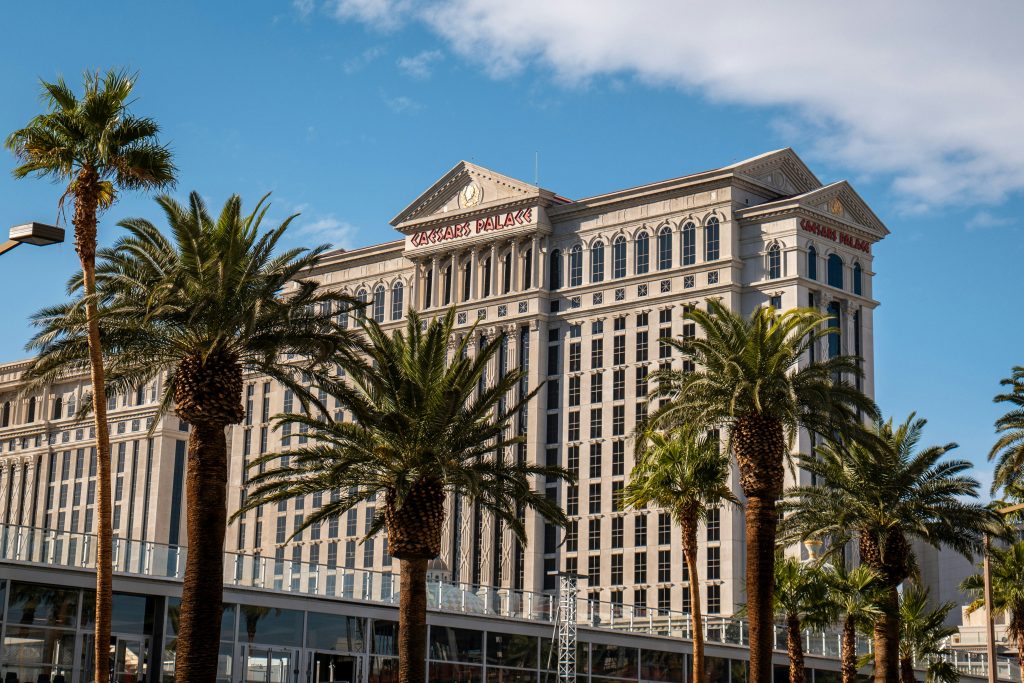
I recently booked a Vegas package where the combined cost of the flight and hotel was less than the flight alone would have been if booked separately. The hotel was essentially free. These deals are prevalent among resort destinations where suppliers have pre-negotiated allocations.
Blind and Opaque Booking for Deep Savings
Hotwire’s Hot Rates and Priceline’s Express Deals hide hotel names until after purchase but offer discounts of up to 60% off published rates. You choose the star rating, general area, and amenities, then book blind.
With these deals, you won’t know the exact hotel until after booking. All you’ll know is general information, like location, star rating, and amenities. The risk is obvious: you might end up at a property you wouldn’t have chosen. But for travelers who prioritize price over specific brands, the savings are massive. I use blind booking for overnight airport stays, where I just need a clean bed, and save 40-50% consistently.
Location Strategy: Where You Stay Shapes Price
Location determines price more than any other factor. A strategic approach to where you stay can cut costs in half without sacrificing quality. Choosing a hotel near key attractions not only maximizes convenience but also saves time and transportation expenses. If public transit is limited, you may need to factor in the cost of a rental car when choosing your hotel location.
Stay Just Beyond Tourist Hotspots
Hotels in prime tourist areas charge premium prices for their convenient location. Properties just 10-15 minutes away by public transit often cost 30-50% less than identical properties of the same quality. In Manhattan, moving from Times Square to Long Island City (one subway stop) can save $100+ per night.
The key is understanding local transportation. If reliable public transit is available, staying farther out makes sense. If you’ll need expensive taxis or rental cars, the savings evaporate. Research transit routes before booking, not after.
Business Hotels on Weekends
Business-district hotels empty out on weekends, triggering dramatic price drops. I’ve stayed at five-star financial district properties for less than suburban Holiday Inn charges on the exact dates.
One memorable example: a Zurich business hotel that charges $400 on weekdays dropped to $89 on Saturday night. The room was identical, with the same amenities. It offered a 78% discount simply because it mainly served business clients who weren’t there on weekends.
Consider Independent and Local Chains
Regional chains and independent hotels often price 20-40% below international brands while offering comparable quality. Unlike traditional hotels, which are usually more expensive and less distinctive, these options provide a unique experience. They lack marketing budgets to dominate search results, so you need to dig deeper to find them.
Use location-specific search tools and ask locals for recommendations. In Europe, local chains like Premier Inn or B&B Hotels offer excellent value. In Asia, regional players such as Tune Hotels and ZEN Rooms provide quality accommodations at a fraction of the prices of Western chains.
Tech Tools and Alerts for Real-Time Bargains

Technology has democratized deal-finding. The right tools turn anyone into a hotel-booking expert.
Mobile-App-Only Discount Platforms
HotelTonight and similar apps specialize in last-minute bookings, offering discounts of up to 70% for same-day reservations. Hotels would rather sell rooms at a low price than leave them empty, and these apps facilitate that transaction.
Priceline’s “Tonight Only” deals and Booking’s mobile-only rates often beat desktop prices by 10-20%. Hotels know that mobile bookers often book at the last minute and price accordingly. Always check mobile apps before booking on a desktop.
Set Up Email, SMS, and Browser Alerts
Price alerts are criminally underutilized. Google Hotels, Kayak, and most OTAs let you track specific hotels and dates, notifying you of price changes. Set alerts for your desired property and price point, then wait for the notification.
I maintain a spreadsheet of upcoming trips with target prices. When alerts trigger, I book immediately. This passive approach requires minimal effort but consistently delivers savings of 15-30% versus booking at initial search prices.
Follow Social and Deal Communities
Hotels announce flash sales on social media before anywhere else. Follow your favorite chains on Twitter and Facebook, turning on notifications for their posts. These sales often last just 24-48 hours and aren’t advertised elsewhere.
Reddit communities like r/TravelHacks and FlyerTalk forums share promo codes and glitches in real-time. Members recently shared deals offering premium rooms at massive discounts. By the time travel blogs reported it, the deals were gone. Being plugged into these communities provides a first-mover advantage. These groups also offer valuable insights and insider tips to help you find the best hotel deals.
Expert-Level Tips and Niche Tactics
These advanced strategies require more effort but deliver exceptional savings for those willing to work the system.
When considering alternative accommodations, don’t overlook vacation rentals, private rooms in hostels, or Airbnb options. Vacation rentals often provide a home-like experience with amenities such as kitchens and living spaces. At the same time, private rooms can offer more space and privacy than traditional hotels, often at a lower cost.
Negotiate Group and Event Blocks
Booking five or more rooms? You have negotiating leverage. Call hotels directly and ask for group rates. Even small groups can secure discounts of 15-25%, especially during low-occupancy periods.
For weddings or events, negotiate beyond just room rates. Ask for complimentary suites, welcome amenities, or breakfast inclusion. Hotels want your group business and will often throw in extras to close the deal.
Special-Eligibility Discounts (Military, Student, Teacher)
Military personnel, students, teachers, and government employees often qualify for unpublished discounts of 10-20%. These rates aren’t always advertised but are available upon request with a valid ID.
Healthcare workers emerged as a new category for discounts following the pandemic. Many chains provide special rates for medical professionals. First responders, including police and firefighters, also qualify for discounts at many properties. Always ask. The worst they can say is “no.”
Buy or Sell Non-Refundable Reservations
Platforms like Roomer and TransferTravel let travelers sell non-refundable bookings they can’t use. Buyers get rooms at 20-40% below the original price, offering a win-win situation for both parties.
Understanding the Details: Fine Print, Fees, and Policies

Booking a hotel isn’t just about snagging the lowest price. It’s about knowing exactly what you’re getting (and what you’re not). The fine print can make or break your hotel experience, turning what looks like a bargain into a budget-buster once all the extra fees and restrictions are revealed. Before you hit that “book now” button, take a few minutes to dig into the details. Understanding the hotel’s policies, additional fees, and what’s actually included in your rate will help you avoid unwelcome surprises and ensure your next trip is as smooth and affordable as possible.
Spotting Hidden Resort Fees and Taxes
Ever found a great hotel deal, only to see the final price balloon at checkout? You’re not alone. Many hotel booking websites display enticingly low rates, but the actual cost can be significantly higher once resort fees and taxes are added. These extra charges, typically ranging from $10 to $30 per night, are standard at many hotel chains, especially in major cities and resort destinations. They might cover amenities like the gym or pool, even if you never use them.
To avoid sticker shock, always check the hotel’s official website for a breakdown of all additional fees, or better yet, contact the hotel directly to confirm the total price. Some hotels bury these fees in the fine print, so don’t rely solely on the price you see on hotel booking sites. When comparing prices across multiple booking platforms, make sure you’re looking at the final, all-in cost. Factoring in these extra charges upfront will help you make an accurate comparison and save money on your hotel bookings.
Cancellation and Change Policies
Flexible cancellation policies are a lifesaver for travelers whose plans might change, but not all hotels offer the same level of flexibility. Some hotels provide free cancellation up to a specific date, while others impose strict deadlines or hefty fees for any changes. Before booking a hotel, always carefully read the cancellation and change policies.
If your travel plans are uncertain, prioritize hotels that offer flexible cancellation. This way, you can adjust your reservation without losing money if something comes up. For non-refundable rates, ensure you’re 100% committed to your dates, or consider travel insurance for added peace of mind. By understanding the policies before you book, you’ll avoid costly surprises and keep more money in your pocket for the fun parts of your trip.
What’s Included (and What’s Not) in Your Rate
Hotel rates can vary significantly, so it’s essential to examine them carefully. While booking sites may advertise “free breakfast” or “Wi-Fi included,” the specifics can vary depending on the room type or rate plan. When comparing prices, make sure you fully understand what’s covered to avoid any surprises at check-in. A rate that appears higher initially could turn out to be a great deal once you factor in the value of included amenities.
Room Types, Upgrades, and Special Requests
Choosing the right hotel room can greatly enhance your stay, but not all rooms or amenities are created equal. Before booking, review the available room types and amenities to ensure you’re selecting the perfect accommodation for your needs. Whether you want a larger room, a better view, or need an extra bed or crib, many hotels are happy to accommodate special requests if you ask in advance.
Booking directly with the hotel or through their loyalty program can also help you earn loyalty points, which can be redeemed for room upgrades or other perks on future stays. Don’t be shy about reaching out to the hotel directly to discuss your preferences or to see if complimentary upgrades are available. By understanding your options and clearly communicating your needs, you can significantly enhance your hotel experience and maximize the value of your stay, often without incurring any additional costs.
Your Next Step to Cheaper Stays

You don’t need luck to save money on hotels, just a plan. Here are the three biggest levers:
Compare smart: Use multiple meta-search sites like Travly to find the best rates across dozens of booking platforms.
Stack discounts: Combine memberships, loyalty perks, and coupon codes for maximum savings on every booking.
Book with timing: Reserve a refundable rate early, then re-shop at the 7-day mark to catch price drops.
Test at least three tactics on your next trip, and you’ll see the savings add up. Start by setting price alerts for your next destination and browsing in incognito mode. Every small change compounds into hundreds of dollars saved over time.
Ready to put these strategies into action? Visit Travly.com to compare rates in seconds and start saving on your next hotel stay today.