
London welcomed approximately 30 million tourists in 2024, including both international and domestic United Kingdom visitors. Yet despite this influx of travelers, many visitors still struggle with the same fundamental question: Where should I stay?
With 32 boroughs sprawled across 600 square miles, choosing your London base can feel overwhelming. I’ve watched countless travelers book hotels in seemingly convenient locations only to discover they’re spending half their vacation on the Tube, or worse, stuck in areas that miss entirely the vibe they were after.
This guide cuts through the confusion with data-driven insights and insider knowledge of London’s eight key districts. Whether you’re chasing West End theaters, family-friendly museums, or East London’s creative scene, I’ll show you exactly where to stay in London and which hotels deliver the best value for your specific needs.
Jump to your priority area:
- Covent Garden and The West End
- Soho
- South Bank and Bankside
- South Kensington and Knightsbridge
- Camden Town
- Shoreditch and Hoxton
- Notting Hill
Introduction to London
London, the British capital, is a city where centuries of history meet cutting-edge culture and world-class entertainment. As one of the most visited cities on the planet, London offers an endless array of the best sights and activities, from iconic landmarks to hidden gems tucked away in its distinct neighborhoods.
For first-time visitors, deciding where to stay in London can feel daunting. After all, Central London alone is a patchwork of vibrant districts, each with its own personality. If you’re looking for a central location with easy access to the city’s top attractions, areas like Covent Garden and Soho are unbeatable. Here, you’ll find yourself within walking distance of theaters, museums, and some of the best dining in town.
Prefer a more relaxed vibe? Hyde Park and its leafy surroundings offer a peaceful retreat while still keeping you close to the action. Whether your dream is to check into a luxury hotel with classic English charm or you’re seeking a budget-friendly base for exploring London, the city caters to every style and price range.
Quick-Glance Neighborhood Comparison
Before diving into specifics, let me break down London’s neighborhoods in practical terms. Each area has its own distinct personality, price point, and ideal visitor type.
Budget Icons: $ = Under $136/night | $$ = $136-272 | $$$ = $272-476 | $$$$ = $476+
Covent Garden shines for first-timers with its central location and theater access ($$$). Soho attracts nightlife seekers and food enthusiasts willing to pay premium prices ($$$ to $$$$). South Bank offers family-friendly riverside attractions at moderate rates ($$ to $$$).
Moving west, South Kensington offers access to museums and quiet elegance for families and couples ($$$ to $$$$). Camden Town provides budget-conscious travelers with markets and music venues ($$ to $$). East London’s Shoreditch appeals to creative types seeking trendy nightlife ($$ to $$$), while Notting Hill charms visitors with its village atmosphere and boutique shopping ($$$).
Keep in mind that hotel offers and seasonal deals can further impact the cost of staying in each neighborhood, sometimes making premium areas more affordable or adding extra value through exclusive amenities.
This London neighborhood comparison helps narrow your search, but the real decision comes down to matching your travel style with each area’s strengths.
How to Choose Your Base: Five Key Factors
Selecting the best area to stay in London requires balancing several practical considerations. Here’s what actually matters when choosing your neighborhood:
1. Proximity to Tube Lines and Attractions
London’s public transport operates in zones, with most tourist areas in Zones 1 and 2. Staying near major tube stations and multiple Tube lines gives you flexibility. Avoid areas served by just one line. Check walking distances to Tube stations, especially if you’re traveling with luggage or have mobility concerns.
2. Budget Reality Check
Hotel prices in London fluctuate dramatically by season. Peak summer rates (June through August) can be twice as high as winter prices. Business hotels typically drop their rates on weekends, while leisure properties tend to increase theirs. Factor in the 20% VAT already included in UK prices.
3. Your Travel Party Dynamics
Solo travelers can handle noisy areas and smaller rooms more easily. Families need space, quiet evenings, and nearby conveniences. Business travelers prioritize transport links and reliable WiFi over atmosphere.
4. Nightlife Tolerance
Soho and Shoreditch buzz until 3 a.m. on weekends. If you’re sensitive to noise, consider avoiding main roads and requesting a room on an upper floor. South Kensington and Notting Hill offer peaceful nights.
5. Airport and Rail Connections
Heathrow Express runs to Paddington (15 minutes). Gatwick Express serves Victoria (30 minutes). Consider your arrival/departure logistics. Dragging luggage across London during rush hour isn’t fun.
Oyster card tips: Get one immediately at any station for seamless travel.
First-Time Visitor Tips
Visiting London for the first time? Here are some essential tips to help you make the most of your stay in this big city:
Choose a Central Location: Staying in central London, especially areas like Covent Garden, Soho, or near Hyde Park, puts you within walking distance of major tourist attractions, theaters, and shopping districts. This saves time and money on transportation.
Master the Tube: London’s Underground is the fastest way to get around. Look for hotels near several tube lines or major stations, such as King’s Cross or Waterloo, for excellent transport links. An Oyster card or contactless payment makes hopping between neighborhoods easy and affordable.
Book Early for the Best Deals: London’s most popular hotels fill up quickly, especially in peak season. Booking a few months in advance gives you the best selection and price ranges, whether you’re after a boutique hotel or a budget option.
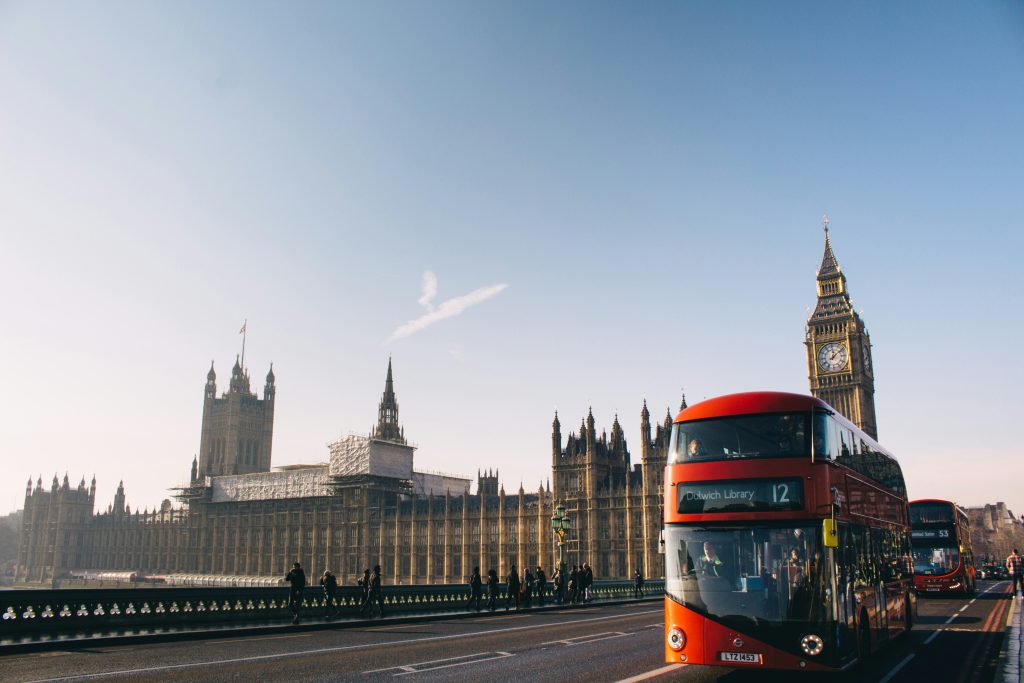
Mix Big Sights with Local Finds: While it’s tempting to focus on famous landmarks like Buckingham Palace, Big Ben, and the British Museum, don’t miss out on exploring London’s distinct neighborhoods. Each area offers its own independent shops, coffee shops, and vibrant street art.
Pack for All Weather: London’s weather can be unpredictable. Bring layers and a compact umbrella so you’re ready for anything, whether you’re strolling along the South Bank or browsing vintage shops in Camden Town.
Plan for Day Trips: With several tube lines and mainline rail stations, London is a great base for day trips to places like Windsor, Oxford, or Brighton. Staying near a major station makes these excursions even easier.
By following these tips, you’ll be well-prepared to navigate London’s neighborhoods, enjoy its world-class attractions, and make the most of your first visit.
Covent Garden and The West End
London’s Covent Garden sits at London’s cultural epicenter, making it the obvious choice for first-time visitors who want everything within walking distance. The historic market plaza buzzes with street performers, while the surrounding streets house flagship stores and atmospheric pubs. London’s Covent Garden has undergone a remarkable historical transformation, evolving from a fruit and vegetable market to a vibrant hub of entertainment, shopping, and dining.
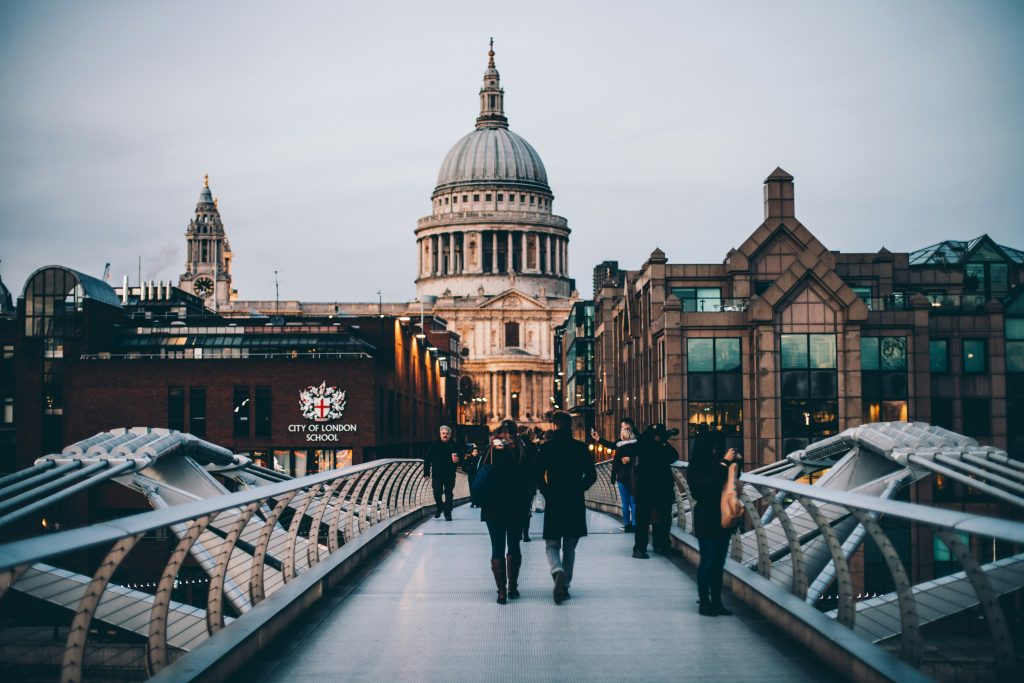
This area suits culture lovers perfectly. You’re literally surrounded by approximately 40 West End theatres, with shows playing nightly. The Royal Opera House anchors the district’s high-culture credentials, while Trafalgar Square and the National Gallery lie just minutes away. Leicester Square’s cinemas and Piccadilly Circus’s neon energy are equally close. Oxford Street, one of London’s most famous shopping destinations, is also nearby. Iconic landmarks such as St. Paul’s Cathedral are accessible from Covent Garden, adding to the area’s appeal for sightseeing.
Who thrives here: First-timers wanting central access, theater enthusiasts, culture seekers, and anyone prioritizing walkability over budget.
Sample Hotels:
Strand Palace (Mid-Range) – This 785-room property delivers consistent value in an unbeatable location. Rooms are compact but modern, with rates typically in the mid-range category.
The Waldorf Hilton (Upscale Historic) – Edwardian grandeur meets modern comfort in this landmark hotel. The Palm Court still serves traditional afternoon tea, while renovated rooms balance period features with contemporary amenities.
The Savoy (Luxury Icon) – London’s most storied hotel maintains its reputation through meticulous service and river-view suites. The American Bar and Savoy Grill are destinations themselves.
Booking Strategy: Reserve 2-3 months ahead for peak season. The area fills first during school holidays and Christmas markets. Friday/Saturday theater packages sometimes offer better value than room-only rates.
Transportation: Covent Garden station (Piccadilly Line) handles the area, but Leicester Square and Holborn provide alternatives during the notorious evening crush.
Soho
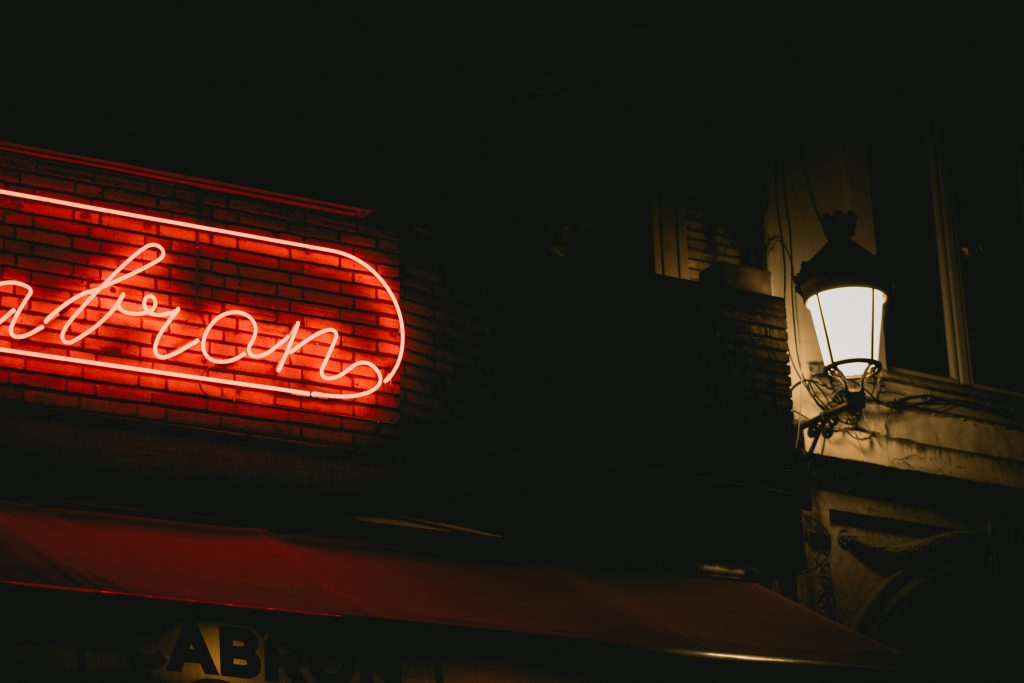
Soho packs more energy per square foot than anywhere else in London. This compact neighborhood transforms from a shopping destination by day to Soho London’s nightlife capital after dark. Old Compton Street remains the heart of LGBTQ+ London, while parallel streets house establishments ranging from Michelin-starred restaurants to beloved dive bars and standout cocktail bars.
Carnaby Street still trades on its Swinging Sixties reputation with fashion flagships, while Chinatown’s authentic restaurants offer late-night fuel. The density creates an intoxicating urban energy. You’re never more than 50 feet from your next discovery.
Who belongs here: Night owls, food obsessives, LGBTQ+ travelers, urbanites who feed off city energy.
Sample Hotels:
The Soho Hotel (Design Luxury) – Firmdale Hotels’ signature bold patterns and colors create a playful luxury experience. The screening room and private club atmosphere attract media types.
Ham Yard Hotel (5-Star) – Built around an actual ham yard, this property brings surprising calm to Soho’s chaos. The rooftop terrace and bowling alley add unique touches.
Z Hotel Soho (Budget-Friendly) – Micro-rooms maximize clever design in minimal space. Perfect for travelers who only need a stylish crash pad.
Reality Check: Soho hotels can be loud until late so pack earplugs. Many buildings are historic conversions with quirky layouts and limited lifts. The area’s energy is its selling point, but light sleepers should book elsewhere.
Late-Night Logistics: Night buses converge on nearby Trafalgar Square. The Night Tube (Friday/Saturday) keeps Piccadilly and Central lines running. Black cabs cruise constantly.
South Bank and Bankside
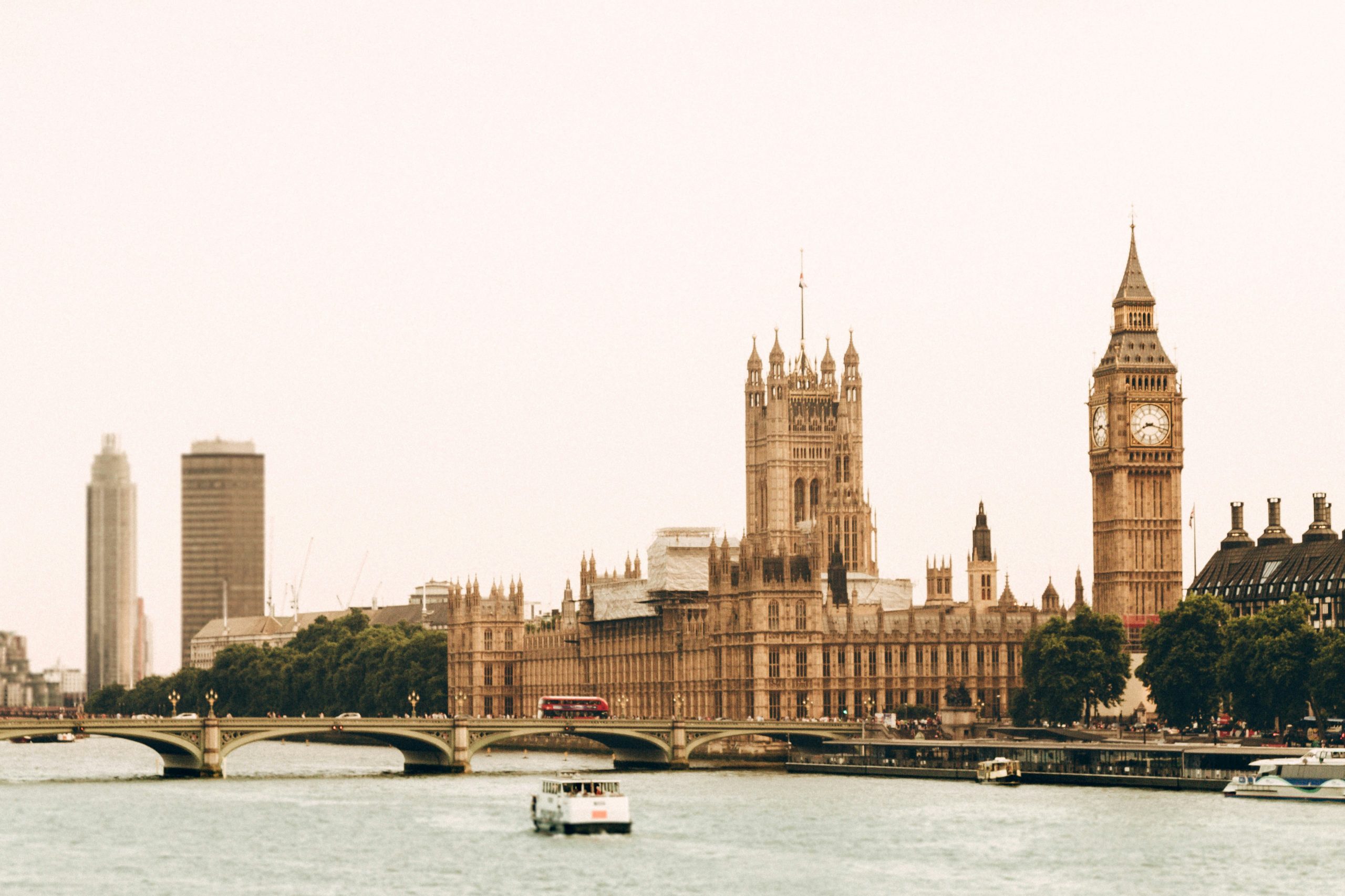
The South Bank delivers London’s greatest hits in one riverside stretch. From County Hall to Borough Market, this pedestrian-friendly zone packs more iconic sights per mile than anywhere else. The Thames Path connects everything, making it ideal for families who want to minimize transport hassles. Many hotels in this area offer stunning river views of the River Thames, with easy access to landmarks like Westminster Bridge, which connects the South Bank to central London.
The London Eye dominates the skyline, while the Tate Modern and Shakespeare’s Globe add cultural weight. SEA LIFE Aquarium and the London Dungeon provide rainy-day insurance for families. Borough Market’s artisanal food scene feeds both tourists and locals.
Perfect for: First-time visitors, families with children, anyone wanting postcard views and riverside walks.
Sample Hotels:
Park Plaza County Hall – Modern rooms in the historic County Hall building put you literally under the London Eye. Family rooms and a swimming pool make it ideal for families.
London Marriott County Hall – Shares the County Hall building but offers Marriott consistency and potential. The views from higher floors at Westminster justify the rates.
Sea Containers London – This contemporary hotel features nautical-inspired design, stunning river views over the River Thames, and a prime location along the South Bank.
Premier Inn County Hall (Value Option) – Britain’s largest hotel chain delivers predictable quality at fair prices. The location would cost significantly more with any other brand.
North vs. South Bank Debate: South Bank offers better value and riverside attractions, but you’ll cross bridges constantly to reach many sights. The area quiets dramatically after 10pm, great for families, less so for nightlife seekers.
Insider Tip: Book river-view rooms only if you’ll actually enjoy them, as they typically add a premium. Many “partial view” rooms offer only glimpses of the Thames between buildings.
South Kensington and Knightsbridge
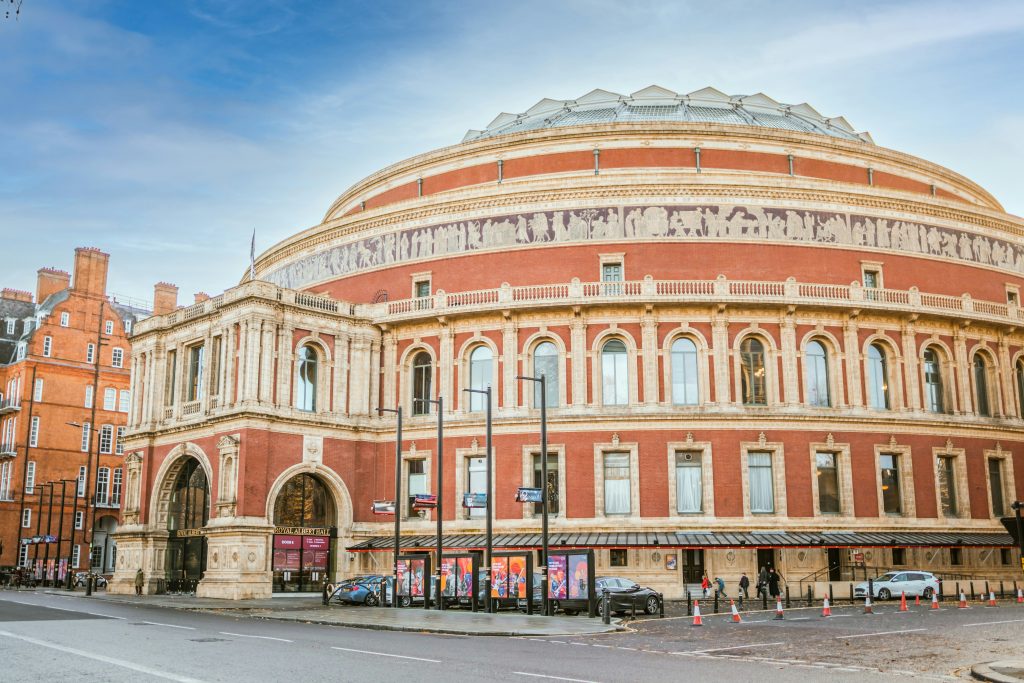
South Kensington epitomizes refined London living. Museum Mile showcases world-class collections with free admission: the V&A’s decorative arts, the Natural History Museum’s dinosaurs, and the Science Museum’s innovations. The area’s Victorian architecture and garden squares create an atmosphere of cultured calm.
Knightsbridge adjoins its luxury shopping temples. Harrods and Harvey Nichols draw international shoppers, while smaller boutiques line Walton Street and Beauchamp Place. Both areas share an upscale residential feel that extends to their hotels.
Ideal visitors: Museum enthusiasts, luxury shoppers, families wanting culture and calm, anyone prioritizing elegance over edge.
Sample Hotels:
The Milestone – Overlooking Hyde Park, this boutique property is obsessed with personalized service. The afternoon tea and park views create memorable moments.
The Kensington Hotel – Family-friendly luxury with interconnecting rooms and children’s amenities. The location near Hyde Park and museums couldn’t be better for cultural family trips.
The Dorchester (Mayfair Extension) – While technically in Mayfair, it’s walkable to Knightsbridge shopping. The spa, three-Michelin-star Alain Ducasse restaurant, and Hyde Park views define luxury.
Practical Advantages: Unlike central areas, parking is possible here. The quiet evenings suit jet-lagged travelers. Multiple Tube lines (Piccadilly, Circle, District) provide flexibility.
Museum Strategy: Hotels here put you on the doorstep of the Museum Mile. Visit early or late to avoid school groups. The area’s restaurants tend to charge special-occasion prices.
Camden Town
Camden wears its alternative credentials proudly. The sprawling markets, from the original Camden Market to the Horse Hospital, create a maze of vintage finds, global food stalls, and unexpected treasures. The Regent’s Canal towpath offers surprisingly peaceful walks between locks.
Music venues define Camden’s nights. The Roundhouse hosts major acts in its converted railway shed, while intimate venues like The Jazz Cafe and Electric Ballroom maintain the area’s musical heritage. This is where punk met reggae, and it continues to evolve.
Best suited for: Budget travelers, music fans, market lovers, and anyone embracing London’s alternative side.
Sample Hotels:
St Christopher’s Inn Camden – This hostel strikes a balance between party atmosphere and practical amenities. Private rooms are available for those wanting more peace.
Holiday Inn Camden Lock – Surprisingly quiet despite the location, with modern rooms and a rare area bonus: parking. The breakfast buffet fuels market adventures.
Budget Reality: Camden’s accommodation costs significantly less than central London. The trade-off is distance from major sights, though the Northern Line provides direct access.
Night Transport: The area stays lively late, with night buses running to central London. The Northern Line Night Tube (weekends) connects to the West End in 15 minutes.
Local Tip: Sunday brings maximum market madness. Arrive early or embrace the chaos. Weekday visits offer better bargaining and breathing room.
Shoreditch and Hoxton (East London)
Shoreditch embodies London’s creative evolution in the heart of London’s East End. Former warehouses now house tech startups at Silicon Roundabout, while Brick Lane curry houses compete with trendy coffee roasters. The area’s street art creates an outdoor gallery, from Banksy originals to emerging artists’ work.
Boxpark’s shipping container mall captures the area’s innovative spirit, while traditional Spitalfields Market provides a historic contrast. Sunday’s Brick Lane market and Columbia Road flower market draw crowds seeking vintage treasures and Instagram moments.
Appeals to: Creative professionals, tech workers, nightlife enthusiasts, and anyone seeking cutting-edge culture.
Sample Hotels:
The Hoxton Shoreditch – This hotel launched the affordable luxury trend in East London. The lobby doubles as a co-working space, while rooms balance style with function.
CitizenM Shoreditch – Part of the innovative, tech-savvy, and design-forward citizenM hotels brand, this property reimagines the hotel experience with high-tech features such as self-check-in, mood lighting, and compact, modern rooms. The living room-style lobby encourages mingling.
Mondrian Shoreditch – The rooftop bar alone justifies a stay, with 360-degree city views. Bold design and party atmosphere attract a fashionable crowd.
Weekend Wisdom: Saturday nights reach peak energy. Book restaurants early and expect queues at popular bars. The Sunday Upmarket at the Old Truman Brewery showcases independent designers.
Creative Fuel: The area’s coffee culture rivals that of Melbourne. Seek out Allpress, Ozone, or Workshop for proper flat whites. Street food markets provide affordable, innovative dining.
Notting Hill
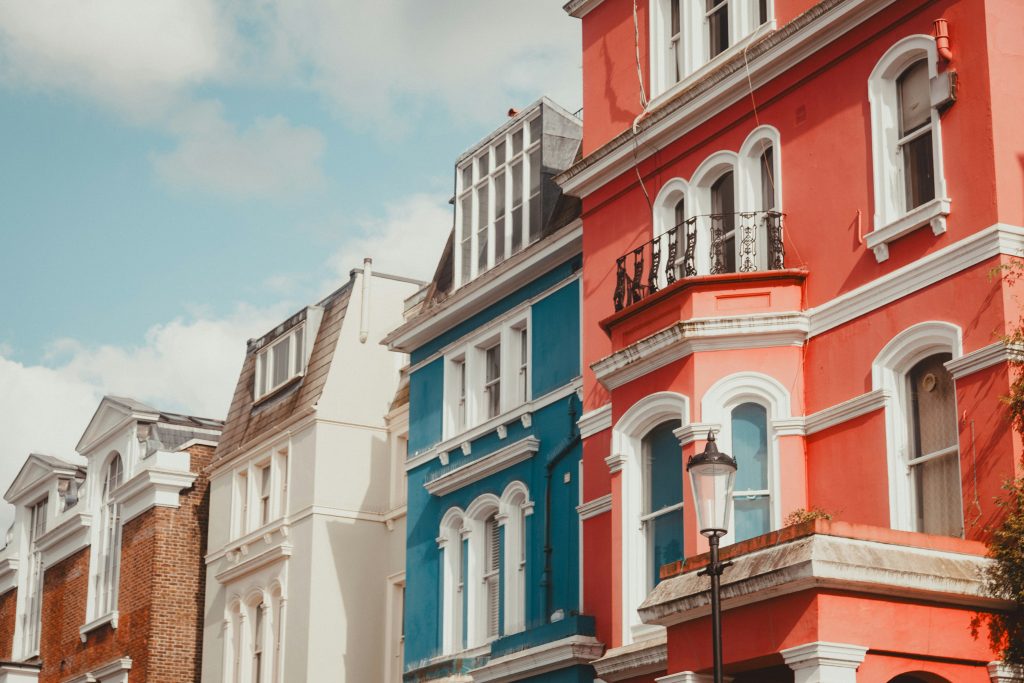
Notting Hill’s pastel townhouses and antique shops create a village within the city. Portobello Road Market stretches for miles every Saturday, offering everything from Victorian jewelry to vinyl records. The August Carnival transforms these genteel streets into Europe’s largest street party.
Beyond the famous market, independent boutiques line Westbourne Grove while cafes occupy every corner. Proximity to Hyde Park provides green relief, and the area maintains surprising calm despite its fame.
Attracts: Couples seeking romance, market enthusiasts, and anyone wanting neighborhood charm over tourist attractions.
Sample Hotels:
The Laslett – This boutique property champions local artists and designers. The coffee shop and library create a residential feel.
Portobello Hotel – Eccentric Victorian townhouse where every room tells a different story. The garden provides a rare outdoor space.
Local Living: Notting Hill feels most authentic on weekdays when locals reclaim their streets. The area’s restaurants and pubs cater to residents rather than tourists, ensuring quality.
Film Location Reality: Yes, the blue door from the Hugh Grant film exists (280 Westbourne Park Road), but expect crowds. The actual neighborhood charm lies in the quiet garden squares and mews houses.
North London Neighborhoods: An Overview
North London is where classic city life meets creative energy, offering a mix of historic charm and modern amenities. Camden Town is the area’s undisputed star, famous for its legendary markets, live music venues, and vibrant street art. Here, you can browse everything from vintage clothing to global street food at Camden Market, or catch a gig at one of the area’s iconic clubs. The Regent’s Canal provides a scenic escape, perfect for a short walk away from the crowds.
Just a few stops away, King’s Cross has transformed into a dynamic hub with excellent transport links, making it a wise choice for travelers who want easy access to the rest of London and beyond. The area is home to stylish contemporary hotels, serviced apartments, and surprisingly affordable accommodation options. You’ll also find boutique shopping, independent coffee shops, and the stunning St. Pancras International station, a destination in its own right.
North London’s neighborhoods are ideal for those who want a lively local scene without the bustle of downtown London. With several tube lines connecting you to central London in minutes, you can enjoy the best of both worlds. Whether you’re drawn to the vintage shops of Camden, the designer stores at Coal Drops Yard, or the cultural buzz around King’s Cross, North London offers a fantastic location for exploring the city.
Average Costs and Money-Saving Booking Tips

London hotel prices in 2025 reflect post-pandemic recovery with rates remaining elevated. Budget properties ($): typically $70-100/night; mid-range ($): $150-200; upscale ($$$): $250-400; luxury ($$$$): $ 400+ with no upper limit.
Remember, these rates include 20% VAT, but watch for service charges at higher-end properties. Resort fees remain thankfully rare in London, though some hotels charge for WiFi or gym access.
Price-tracking tools like Hopper or Google Hotels reveal pricing patterns. Tuesday releases often bring lower rates. Booking directly with hotels sometimes yields upgrades or breakfast inclusion. For budget accommodations, consider university housing in summer or aparthotels in zones 2-3.
Shoulder season delivers the best value. April through May and September through October combine decent weather with lower prices. Avoid coinciding with major events unless that’s your purpose.
When to Visit: Seasonal Price Trends
London’s hotel rates follow predictable seasonal patterns. Peak season (June through August) sees the highest prices as tourists flood the city. School holidays compound the crowds, with rates jumping significantly above winter levels.
Shoulder seasons (April through May and September through October) offer the best time to visit London, with mild weather, manageable crowds, and lower rates. These months provide ideal conditions for sightseeing without summer’s extremes.
Low season (January through February) brings bargain rates, but prepare for short days and potential rain. Hotels slash prices considerably, making luxury properties suddenly accessible.
Event surges override seasonal patterns. Wimbledon fortnight, Christmas markets, and Notting Hill Carnival weekend see prices spike regardless of season. The London Marathon and major exhibitions at Excel also significantly impact rates.
Sample Three-Day Itineraries by Base
Cultural Central (Covent Garden Base)
Day 1
- Morning/Afternoon: British Museum
- Afternoon/Evening: National Gallery
Day 2
- Morning: Tower of London, Tower Bridge
- Lunch/Afternoon: Borough Market
- Evening: Theater show
Day 3
- Morning: Westminster Abbey, Parliament
- Afternoon: St James’s Park, Buckingham Palace
Family Fun (South Bank Base)
Day 1
- Morning: London Eye, SEA LIFE Aquarium
- Afternoon: Tate Modern
Day 2
- Morning/Afternoon: Natural History Museum, Hyde Park
- Late Afternoon/Evening: Harrods food hall
Day 3
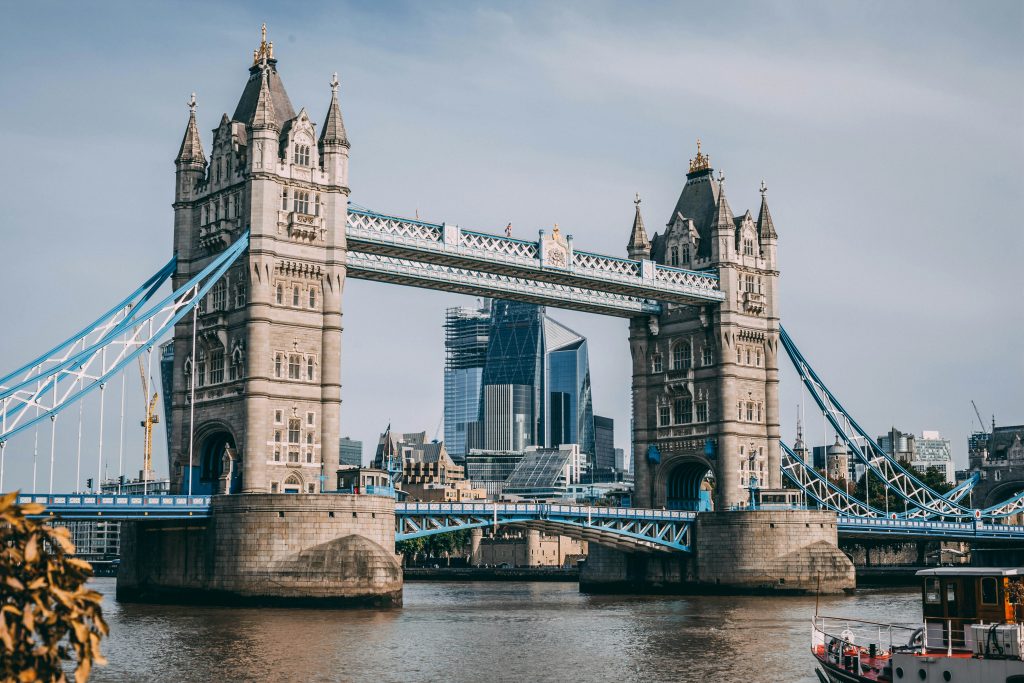
- Morning: Tower Bridge, HMS Belfast
- Lunch/Afternoon: Borough Market
Nightlife Circuit (Soho/Shoreditch Split)
Day 1
- Morning/Afternoon: Shoreditch street art, Brick Lane, Columbia Road
- Evening: Soho
Day 2
- Morning/Afternoon: Camden Markets, Regent’s Park
- Evening: Jazz Cafe
Day 3
- Morning/Afternoon: Tate Modern, Borough Market, Sky Garden
- Evening: Shoreditch bars
This three-day itinerary for London shows how your base influences daily planning. Central locations enable ambitious sightseeing, while outer areas require strategic transport use.
Getting Around London
London’s transport network runs on zones, with most tourist areas within Zones 1-2. The Oyster card or contactless payment caps daily charges, making unlimited travel affordable. Current caps vary by zone and time of day.
The Tube map explained: 11 color-coded lines connect 270 stations, including key hubs like King’s Cross and Waterloo, which are essential for travelers accessing different parts of the city and making day trips. Avoid peak hours (7 to 9 a.m. and 5 to 7 p.m.) when possible. The Circle Line links major tourist areas, while the Piccadilly Line serves Heathrow directly. The financial district (City of London), known for its modern skyscrapers and historic landmarks, is also easily accessible via public transport.
Heathrow to London: Heathrow Express reaches Paddington in 15 minutes. The Piccadilly Line takes 50 minutes but costs less. Elizabeth Line offers the middle ground at 30 minutes.
Ready to Book Your London Adventure?

Choosing where to stay in London shapes your entire experience. Match your neighborhood to your travel style: culture seekers in Covent Garden, families along South Bank, nightlife lovers in Soho or Shoreditch.
Your ideal London base strikes a perfect balance between location, budget, and lifestyle preferences. Now that you understand each area’s personality, you’re ready to explore specific hotel options in your chosen neighborhood. London’s magic awaits. You just need the right launching pad to discover it.
Plan Your Perfect London Stay with Travly
Ready to find your ideal London accommodation? Travly makes booking simple with our curated selection of hotels across all London neighborhoods. We’ve researched so you can focus on planning your United Kingdom adventure.
Visit Travly. com to:
- Compare rates across all London districts
- Read verified guest reviews
- Book with confidence and best-price guarantees
- Access exclusive member deals
Start planning your London stay today at Travly.com and experience the city like never before.