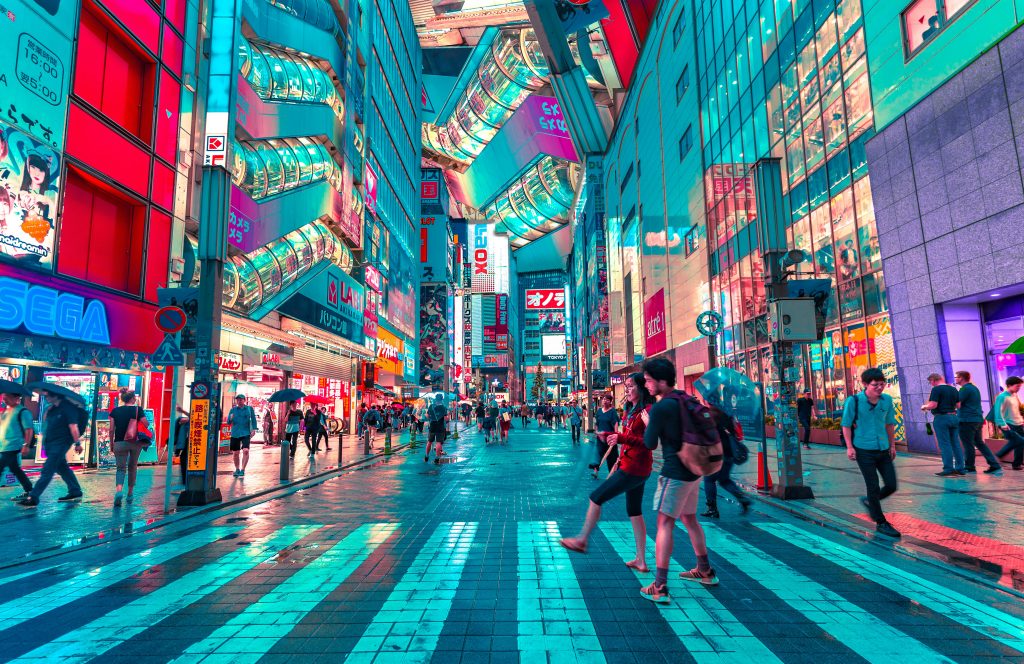
Morning mist curls around the five-story pagoda of Sensō-ji temple while, miles away, the first neon signs and neon lights flicker to life in Shibuya.
This is Tokyo: a huge city and Japan’s capital, where ancient temples share skylines with gleaming towers, where tranquil gardens exist steps from buzzing arcades, and where millions of annual visitors discover something entirely their own.
This guide is your resource for discovering the best of Tokyo, Japan.
Whether you’re planning your first pilgrimage to this electric metropolis or returning to uncover deeper layers, we aim to map out over 45 experiences that capture the city’s soul.
We’ve organized everything by neighborhoods and themes, making it simple to craft perfect days whether you have three days or three weeks.
From the spiritual calm of Meiji Shrine to the digital wonderland of teamLab, from dawn tuna auctions to midnight karaoke sessions, this guide covers the full spectrum of what makes Tokyo an unforgettable destination.
Each recommendation comes with insider timing tips, cost-saving strategies, and those crucial details that transform a good trip into an unforgettable journey.
Tokyo Tourism at a Glance: A City Drawing Millions
Tokyo welcomed over 33 million foreign visitors between January and November 2024, with tourist spending reaching approximately ¥8 trillion (about $53 billion USD).
These aren’t just statistics; they represent millions of personal discoveries in a city that somehow manages to exceed every expectation.
Walk through any Tokyo neighborhood and you’ll understand the appeal instantly. In Asakusa, incense wafts from centuries-old temples while tourists snap photos beneath massive red lanterns.
Cross town to Akihabara, where entire buildings pulse with anime advertisements and gaming sounds spill onto streets lined with electronics megastores. Head to Roppongi at sunset, and watch the city transform into a glittering ocean of lights from observation decks that pierce the clouds.
The sheer variety of Tokyo attractions, from historic shrines and world-class museums to vibrant shopping districts and quirky themed cafés, ensures there’s something for every visitor.
By summer 2025, Tokyo claimed the top spot as the world’s number one trending destination for summer travel according to the Mastercard Economics Institute.
This surge reflects both strong travel demand and Tokyo’s unique ability to offer something profound for every type of traveler. Business districts transform into entertainment quarters after dark.
Traditional crafts workshops sit beside futuristic robot restaurants, where visitors can experience over-the-top performances and dazzling light shows. Michelin-starred restaurants share blocks with hole-in-the-wall ramen joints that have perfected their broth recipes over generations.
The numbers tell only part of the story. What keeps drawing visitors back is Tokyo’s remarkable ability to preserve tradition while embracing the future, creating a destination that feels both timeless and cutting-edge.
How to Use This Guide
This guide breaks Tokyo down into digestible sections, organized by neighborhoods and themes to help you plan efficient, enjoyable days.
Each area section includes multiple attractions within walking distance or a short train ride of each other, maximizing your exploration time while minimizing transit confusion.
Every attraction includes quick-reference details like access instructions, costs, and insider tips formatted for easy scanning.
Whether you’re a meticulous planner or spontaneous explorer, use this guide your way: follow our suggested itineraries, mix and match neighborhoods based on your interests, or simply bookmark your must-see spots for quick reference while navigating the city’s streets.
You can easily follow a Tokyo itinerary using our recommendations, or incorporate this guide into a broader Japan itinerary to make the most of your trip.
Tokyo Neighborhood Map & Area Overview
Tokyo sprawls across 23 special wards, each with distinct personalities that shift dramatically from district to district. Central Tokyo serves as a major hub, connecting key attractions, business centers, and transportation options.
The city center is an ideal starting point for exploring different districts, thanks to its proximity to major sights and easy access to various neighborhoods. Understanding these neighborhood characters helps you choose where to stay and how to cluster your daily adventures.
Think of Tokyo not as one massive city but as dozens of interconnected villages, each offering unique experiences just a train ride apart, with Tokyo stations acting as key transit points for navigating the city’s extensive transport network.
The eastern districts preserve Tokyo’s traditional soul. Here, narrow alleys lead to family-run shops that have operated for generations, and the pace slows just enough to savor authentic local life.
Meanwhile, western Tokyo buzzes with fashion, technology, and youth culture, where trends emerge from street corners before spreading worldwide. Southern areas blend international business with entertainment, while the northern wards hide some of the city’s best-kept cultural secrets.
Where to Stay: Tokyo Hotel Recommendations

Tokyo offers accommodations ranging from luxe skyscraper suites to cozy ryokans. Below are top-rated options by district so you can plan around your must-see spots.
For current pricing and availability, browse accommodations near your preferred neighborhoods.
By District
Shinjuku (Lively and central for nightlife and easy transport)
- Park Hyatt Tokyo, Keio Plaza Hotel, Hotel Gracery Shinjuku
Shibuya/Harajuku (Perfect for fashion, cafés, and that famous crossing)
- Cerulean Tower Tokyu Hotel, Shibuya Excel Hotel Tokyu
Ginza/Marunouchi (Luxury shopping and quick access to Tokyo Station)
- The Peninsula Tokyo, Mandarin Oriental Tokyo, Hotel Ryumeikan Tokyo
Asakusa/Ueno (Classic shitamachi vibes near Sensō-ji and museums)
- The Gate Hotel Asakusa Kaminarimon, Hotel Niwa Tokyo
Akihabara (Otaku and electronics heaven)
- Akihabara Washington Hotel, remm Akihabara
Roppongi (Art, nightlife, and cosmopolitan dining)
- Grand Hyatt Tokyo, Roppongi Hotel S
Odaiba (Futuristic waterfront and family-friendly attractions)
- Hilton Tokyo Odaiba, Grand Nikko Tokyo Daiba
💡 Pro Tip: Book early for cherry blossom or New Year’s periods when the best locations disappear fast.
Asakusa/Ueno: Traditional Japanese Culture with Modern Flair
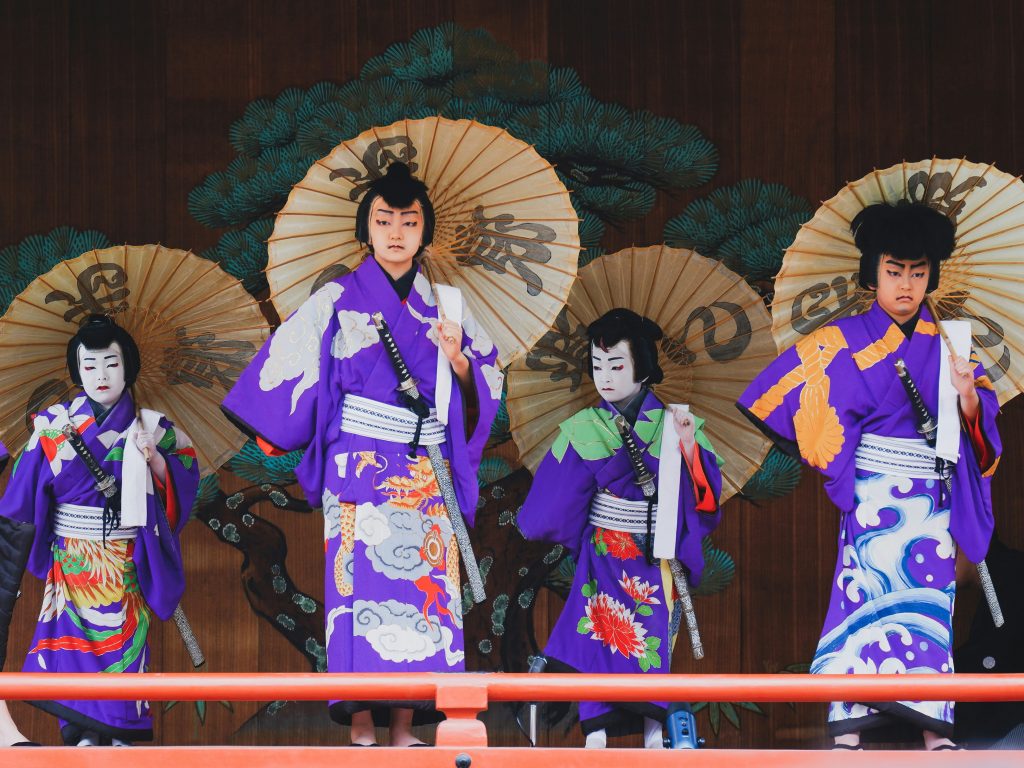
Step off the train in Asakusa and you’re transported to the Tokyo of centuries past. Rickshaw drivers in traditional garb weave between tourists heading toward Sensō-ji Temple, while the sweet scent of ningyo-yaki (doll-shaped cakes) drifts from centuries-old shops.
This northeastern district preserves the atmosphere of old Edo, with low-rise buildings, traditional crafts stores, and restaurants that have served the same specialties for generations.
Nearby Ueno adds a cultural dimension with its concentration of world-class museums and the city’s most popular cherry blossom park, all within a short walk from the station.
📍 Location & Access: Asakusa Station (Ginza, Asakusa Lines); Ueno Station (JR Yamanote, Keihin-Tohoku Lines)
🎟️ Tickets/Cost: Most temples free; museums ¥500-1,500
🌟 Highlights: Sensō-ji Temple, Tokyo National Museum, Ueno Zoo, traditional shopping streets
💡 Pro Tip: Visit Sensō-ji Temple at dawn for photos without crowds, then explore Ueno’s museums when they open at 9:30am.
Shibuya/Harajuku: Youth Culture, Creativity, and Color
Modern Tokyo reaches its stylish zenith in Shibuya and Harajuku, where fashion tribes mix with international brands and creativity spills onto every street corner.
Exploring the vibrant streets here, you’ll encounter iconic locations like Shibuya Crossing and Skytree, all while immersed in the city’s energetic atmosphere.
Shibuya Scramble Crossing has become one of Tokyo’s most photographed spots, with hundreds to thousands crossing from multiple directions under massive video screens. For a unique perspective, visit Mag’s Park Rooftop to view the bustling intersection and its neon-lit energy at night.
Just one stop away, Harajuku’s Takeshita Street explodes with rainbow-colored crepes, vintage clothing, and the latest youth fashion trends.
Between them, tree-lined Omotesando boulevard presents architectural showpieces housing luxury brands, while hidden back streets reveal intimate cafes and independent designers.
📍 Location & Access: Shibuya Station (JR, Tokyo Metro, Tokyu, Keio Lines); Harajuku Station (JR Yamanote Line)
🎟️ Tickets/Cost: Shibuya Sky ¥2,200; shopping/dining varies
🌟 Highlights: Shibuya Crossing, Meiji Shrine, Takeshita Street, Omotesando shopping, Mag’s Park Rooftop
💡 Pro Tip: Experience Shibuya Crossing from the Shibuya Sky observation deck, located atop the Shibuya Scramble Square building, for panoramic city views at sunset and spectacular sightlines.
Shinjuku: The Vibrant Heart of Modern Tokyo
Shinjuku Station serves hundreds of thousands of passengers daily, making it one of the world’s busiest transit hubs. The station complex feels more like an underground city than a simple transit point.
Above ground, the district splits personalities: the east side gleams with department stores and commercial towers, while the west side’s skyscrapers house observation decks and government offices.
Come nightfall, the neon-lit alleys of Kabukicho entertainment district and the intimate bars of Golden Gai create one of Tokyo’s most vibrant nightlife scenes.
For a nostalgic experience, explore Memory Lane (Omoide Yokocho), a narrow alleyway filled with traditional izakayas and a vintage post-war atmosphere.
Enjoy grilled meat at local yakiniku restaurants, where you can cook bite-sized pieces of beef, pork, or chicken right at your table. Sumo wrestling matches and training sessions are also available in the area, offering a glimpse into Japan’s traditional sport and cultural heritage.
Despite the urban intensity, pockets of calm exist in places like Shinjuku Gyoen, one of Tokyo’s most beautiful gardens.
📍 Location & Access: Shinjuku Station (JR, Tokyo Metro, Toei, Odakyu, Keio Lines)
🎟️ Tickets/Cost: Tokyo Metropolitan Building observation decks free; Shinjuku Gyoen ¥500
🌟 Highlights: Golden Gai bars, Kabukicho nightlife, department stores, Shinjuku Gyoen garden, Memory Lane izakayas, yakiniku grilled meat, sumo wrestling experiences
💡 Pro Tip: Navigate using specific exit numbers (there are over 200!) and consider downloading a station map app.
Akihabara: The Digital Pioneer of Gaming and Imagination
Welcome to Electric Town, where multi-story arcade centers flash with the latest games, and entire buildings dedicate themselves to single anime franchises. Akihabara pioneered geek culture long before it went mainstream, evolving from post-war electronics market to global otaku headquarters.
Today, you’ll find everything from vintage game consoles to cutting-edge VR experiences, maid cafes to manga megastores. The main drag Chūō-dōri closes to traffic on Sunday afternoons, transforming into a pedestrian paradise where cosplayers pose for photos and pop culture comes alive.
Akihabara is conveniently located near major train stations, which have played a significant role in the area’s history as a hub for both locals and visitors.
📍 Location & Access: Akihabara Station (JR Yamanote, Keihin-Tohoku, Sobu, Tsukuba Express, Hibiya Lines)
🎟️ Tickets/Cost: Window shopping free; arcades ¥100+ per game
🌟 Highlights: Electronics megastores, anime shops, retro gaming, maid cafes. Don’t miss the chance to play classic games like Street Fighter at local arcades such as Super Potato.
💡 Pro Tip: Visit Super Potato for retro games across multiple floors, including rare classics like Street Fighter. For a unique themed experience, consider exploring cat-related attractions nearby.
Ginza/Marunouchi: The Twin Financial and Commercial Districts
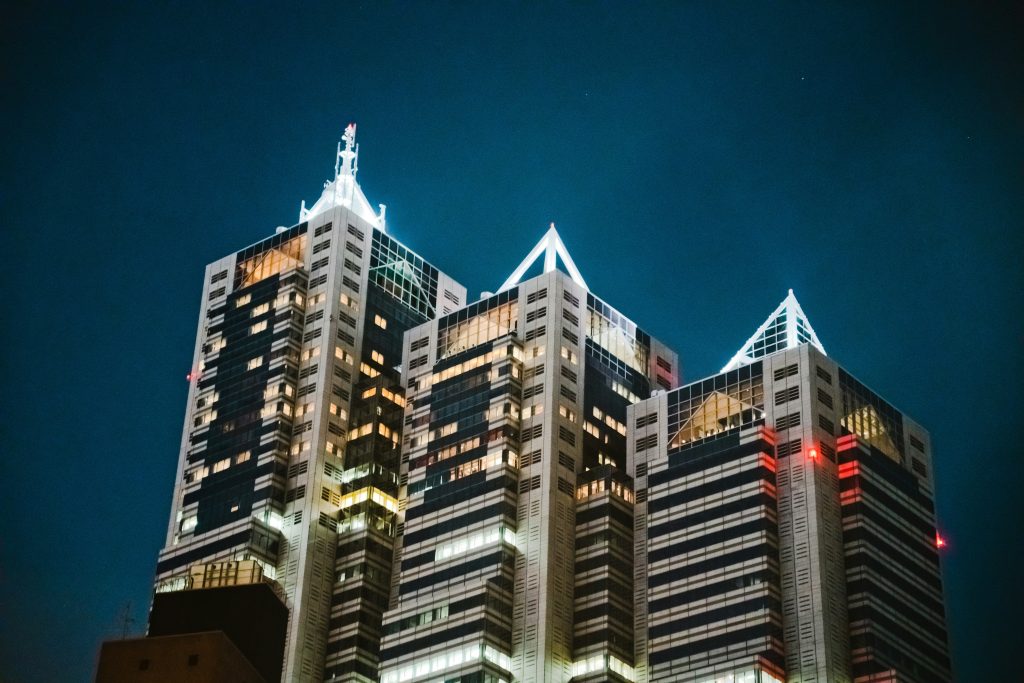
Ginza epitomizes Tokyo elegance with flagship boutiques, art galleries, and restaurants that set culinary standards worldwide. On weekends, the main street becomes pedestrian-only, transforming into an open-air gallery of architecture and fashion.
Adjacent Marunouchi, Tokyo’s business heart, surprises with its transformation from weekday corporate hub to weekend cultural destination. The Imperial Palace grounds provide a green buffer between these districts, offering peaceful walks along ancient moats and meticulously maintained gardens where workers jog during lunch breaks.
📍 Location & Access: Ginza Station (Ginza, Marunouchi, Hibiya Lines); Tokyo Station (multiple JR and subway lines). The area is also close to Minato City, a prime spot for cultural experiences.
🎟️ Tickets/Cost: Window shopping free; Imperial Palace East Gardens free
🌟 Highlights: Luxury shopping, Kabukiza Theatre, Imperial Palace, KITTE building rooftop garden
💡 Pro Tip: Visit Ginza on Sunday afternoons when main streets close to traffic for leisurely strolling.
Odaiba: Futuristic Entertainment Abounds
Built on reclaimed land in Tokyo Bay, Odaiba feels like Tokyo’s vision of the future made real. The Rainbow Bridge frames this entertainment district where you can soak in an onsen with bay views, pilot a giant Gundam robot, or lose yourself in digital art installations.
Families flock here for attractions like the life-sized Gundam statue and Tokyo Joypolis indoor theme park, while couples claim sunset spots along the beach promenade.
The automated Yurikamome train ride across Rainbow Bridge alone justifies the journey, offering stunning perspectives of Tokyo’s waterfront transformation.
📍 Location & Access: Yurikamome Line from Shimbashi; Rinkai Line from Osaki
🎟️ Tickets/Cost: teamLab Borderless ¥3,200; Gundam Base free entry
🌟 Highlights: teamLab digital museums, Gundam statue, Onsen Monogatari, waterfront views, fresh seafood at local restaurants and markets
💡 Pro Tip: Time your visit for late afternoon to catch both daytime attractions and illuminated night views, and don’t miss the chance to enjoy fresh seafood at Odaiba’s dining spots.
Roppongi: Sophisticated, International, Unique
Roppongi wears two faces: international business district by day, sophisticated entertainment quarter by night. The area attracts Tokyo’s international community with embassies, expat-friendly restaurants, and some of the city’s best art museums.
Roppongi Hills and Tokyo Midtown complexes revolutionized Tokyo urban planning, integrating offices, residences, shopping, and culture into vertical cities. The nightlife ranges from exclusive clubs to intimate jazz bars, while observation decks atop Mori Tower offer some of Tokyo’s most spectacular night views.
📍 Location & Access: Roppongi Station (Hibiya, Oedo Lines)
🎟️ Tickets/Cost: Mori Art Museum + Tokyo City View ¥2,200
🌟 Highlights: Art museums, rooftop observation decks, international dining, nightlife, traditional Japanese cultural experiences
💡 Pro Tip: Buy combo tickets for Mori Art Museum and observation deck to save money and time. Look for traditional Japanese art exhibitions or performances often hosted in the area.
Top Historic & Cultural Attractions
Morning arrives gently at Tokyo’s temples and gardens, where cedar-scented paths lead to hidden shrines and meticulously raked gravel gardens reflect centuries of aesthetic refinement. These historic spaces offer more than photo opportunities; they provide windows into Japan’s spiritual heart and artistic traditions that continue shaping modern life.
The importance of Japanese history is evident throughout Tokyo, influencing its cultural sites and daily rhythms.
Each historic site tells part of Tokyo’s transformation story, from feudal capital to modern metropolis, including the city’s remarkable reconstruction after World War II.
Whether watching priests perform morning rituals at Sensō-ji, observing sumo wrestlers train at local stables, or strolling through Imperial gardens where shoguns once walked, these attractions ground visitors in traditions that give Tokyo its unique character.
The contrast between these peaceful spaces and the surrounding urban energy creates moments of profound beauty that define the experience.
Sensō-ji Temple (Asakusa)

Tokyo’s oldest temple draws 30 million annual visitors to experience 1,400 years of continuous worship.
Approaching through the Thunder Gate with its massive red lantern, you enter Nakamise-dōri shopping street where generations of families have sold traditional crafts and snacks. The air thickens with incense smoke as visitors wave it over themselves for health and luck.
Morning light filtering through this smoke creates an almost mystical atmosphere, especially when accompanied by the temple bells calling faithful to prayer.
The recently renovated five-story pagoda stands as a testament to traditional architecture, rebuilt repeatedly after fires and earthquakes yet maintaining its seventh-century design principles.
📍 Location & Access: 5-minute walk from Asakusa Station (Ginza, Asakusa Lines)
🎟️ Tickets/Cost: Temple grounds free, open 24/7; Main hall 6am-5pm
🌟 Highlights: Thunder Gate, five-story pagoda, Nakamise shopping street, fortune telling
💡 Pro Tip: Visit before 8am to photograph the temple without crowds and see morning prayers.
Meiji Shrine (Harajuku)
A forest of 100,000 donated trees creates an oasis of tranquility just steps from Harajuku’s fashion chaos. Walking the gravel path toward Meiji Shrine, city sounds fade into bird songs and rustling leaves.
This Shinto shrine, dedicated to Emperor Meiji and Empress Shoken, attracts millions of New Year visitors but maintains a serene atmosphere year-round. Witnessing a traditional Japanese Shinto wedding procession here, with the bride in pure white shiromuku kimono, creates unforgettable memories.
The shrine’s iris garden blooms spectacularly in June, when 1,500 iris plants create purple carpets reflected in still ponds.
📍 Location & Access: 3-minute walk from JR Harajuku Station or Meiji-jingu-mae Station
🎟️ Tickets/Cost: Shrine free; Inner Garden ¥500 (June iris season only)
🌟 Highlights: Sacred forest setting, traditional weddings, wish-writing plaques, sake barrels
💡 Pro Tip: Early mornings and weekdays offer peaceful exploration; combine with nearby Harajuku shopping.
Imperial Palace & East Gardens
Where Edo Castle once commanded feudal Japan, meticulously maintained gardens now offer public sanctuary in Tokyo’s heart. The East Gardens showcase seasonal transformations: plum blossoms brave late winter cold, cherry trees explode in spring pink, and autumn maples paint hillsides crimson.
Stone foundations and massive walls hint at the castle’s former grandeur, while the gardens demonstrate Japanese landscaping mastery. After World War II, the Imperial Palace was reconstructed, symbolizing Japan’s resilience and renewal in the post-war era.
Guards in crisp uniforms maintain traditions at the palace proper, which opens to the public only twice yearly, making the always-accessible East Gardens even more precious for visitors seeking imperial atmosphere.
📍 Location & Access: 10-minute walk from Tokyo Station (Marunouchi exit) or Otemachi Station
🎟️ Tickets/Cost: Free entry; closed Mondays and Fridays
🌟 Highlights: Castle ruins, seasonal gardens, Imperial views, Ninomaru Garden
💡 Pro Tip: Enter through Ote-mon Gate and grab free English maps; spring and fall offer best colors.
Hama-Rikyū Gardens
This feudal lord’s garden demonstrates how Tokyo has always balanced tradition with innovation. Seawater tidal ponds ebb and flow with Tokyo Bay, creating ever-changing reflected skylines where traditional tea houses meet modern towers.
The 300-year-old pine trees have witnessed Tokyo’s transformation from Edo to megacity, yet the garden maintains its contemplative purpose. Sipping matcha tea in the island pavilion while skyscrapers loom beyond perfectly captures Tokyo’s dual nature.
The garden serves as a green bridge between old Tsukiji and new Shiodome, making it an ideal rest stop during busy sightseeing days.
📍 Location & Access: 5-minute walk from Shiodome Station; water bus from Asakusa
🎟️ Tickets/Cost: ¥300 adults; open 9am-5pm
🌟 Highlights: Tidal pond, island tea house, 300-year-old pine, plum grove
💡 Pro Tip: Take the scenic water bus from Asakusa combining transport with sightseeing.
Modern Tokyo Landmarks
Tokyo’s modern landmarks don’t just pierce the skyline; they redefine how cities can grow upward while maintaining human connections at ground level. Tokyo Tower, with its striking resemblance to the Eiffel Tower, stands as an iconic observation tower and a symbol of the city’s architectural ambition.
These architectural achievements blend engineering prowess with Japanese attention to detail, creating spaces that serve practical purposes while inspiring wonder. From observation decks floating above the clouds to intersections that have become global symbols, modern Tokyo demonstrates how urban density can create energy rather than chaos.
Each landmark tells a story about Tokyo’s ambitions and achievements. Whether ascending Tokyo Skytree’s dizzying heights or witnessing thousands navigate Shibuya Crossing in organized chaos, these experiences capture Tokyo’s unique ability to organize complexity into beauty.
Tokyo Skytree
Rising 634 meters into Tokyo’s sky, the world’s tallest tower redefines the eastern skyline with its elegant steel lattice inspired by traditional pagoda architecture. The structure seems to change personality with perspective: from nearby, it’s an engineering marvel of earthquake-resistant design; from the observation decks, it’s a magic carpet revealing Tokyo’s true scale.
On clear days, Mount Fuji floats on the horizon while the sprawling city spreads endlessly below, showcasing its vastness and complexity.
The tower district includes an aquarium and shopping complex, but the real draw remains those elevators shooting skyward at 600 meters per minute, delivering visitors to perspectives that challenge comprehension.
📍 Location & Access: Tokyo Skytree Station (Tobu Skytree Line) or Oshiage Station
🎟️ Tickets/Cost: Tembo Deck ¥2,100-3,400; Tembo Galleria additional ¥1,000-1,600
🌟 Highlights: 360-degree views, glass floor sections, Mt. Fuji views, night illuminations
💡 Pro Tip: Book Skytree + Sumida Aquarium combo tickets online to save up to ¥1,400.
Tokyo Tower
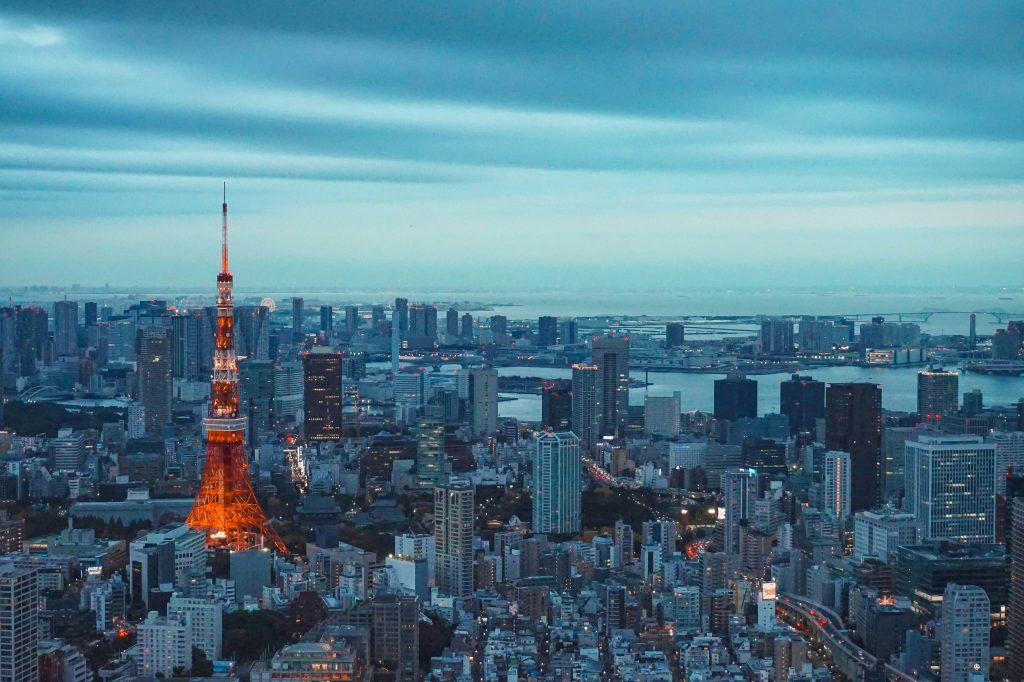
Before Skytree claimed height records, Tokyo Tower stood as the city’s beloved landmark, its red and white Eiffel-inspired lattice becoming the symbol of Japan’s post-war revival.
Tokyo Tower’s design was directly inspired by the Eiffel Tower, and it played a significant role in Japan’s reconstruction and resilience after World War II. At 333 meters, it may no longer be the tallest, but it remains many locals’ favorite for its nostalgic charm and central location.
The Main Observatory offers intimate city views where you can trace the Imperial Palace moats and spot neighborhood details lost from greater heights. Special projection mapping events transform the tower into a canvas for digital art, while its warm lighting at night creates Tokyo’s most romantic backdrop.
📍 Location & Access: 5-minute walk from Onarimon or Kamiyacho Stations
🎟️ Tickets/Cost: Main Deck ¥1,200; Top Deck Tour ¥3,000 (includes both decks)
🌟 Highlights: Classic views, central location, night illuminations, One Piece theme area
💡 Pro Tip: Visit at sunset for golden hour photos then stay for night views without paying twice.
Shibuya Scramble Crossing & Shibuya Sky
Every light change at Shibuya Crossing releases hundreds to thousands of people from multiple directions into organized choreography that somehow works. This intersection has transcended function to become art, a living representation of Tokyo’s organized complexity.
The recently opened Shibuya Sky observation deck provides the ultimate viewing platform, floating 230 meters above the scramble with 360-degree open-air views.
Watching sunset paint the city gold from this rooftop, then seeing millions of neon lights illuminate the crossing and surrounding streets as darkness falls, creates an emotional connection to Tokyo’s energy. The crossing below transforms from efficient movement in daylight to neon river at night.
📍 Location & Access: Direct access from Shibuya Station (JR, multiple subway lines)
🎟️ Tickets/Cost: Crossing free; Shibuya Sky ¥2,200 (reserve online recommended)
🌟 Highlights: World-famous crossing, 360-degree rooftop views, sunset spectacular
💡 Pro Tip: Book Shibuya Sky for 90 minutes before sunset to experience both day and night views.
Roppongi Hills Mori Tower
This 238-meter tower anchors a mini-city that revolutionized Tokyo urban planning by integrating offices, residences, shopping, and culture in one vertical community.
The Tokyo City View observation deck wraps the 52nd floor with floor-to-ceiling windows, while the Mori Art Museum above presents cutting-edge contemporary exhibitions.
The real treat is the Sky Deck on the roof, an open-air helipad-turned-observation deck where wind carries city sounds up from far below. The 360-degree views encompass Tokyo Tower, Rainbow Bridge, and Mount Fuji, making it a favorite for capturing Tokyo’s complete portrait.
📍 Location & Access: 3-minute walk from Roppongi Station (Hibiya, Oedo Lines)
🎟️ Tickets/Cost: Tokyo City View + Mori Art Museum ¥2,200; Sky Deck additional ¥500
🌟 Highlights: Art museum combo, open-air Sky Deck, night photography, Tokyo Tower views
💡 Pro Tip: Visit after 5pm for reduced crowds and magical blue hour photography.
Pop Culture & Entertainment Hotspots

Tokyo’s pop culture doesn’t just influence trends; it creates alternate realities where visitors can live inside their favorite anime, game alongside cosplaying locals, or lose themselves in digital art that responds to their presence.
These attractions showcase Japan’s unique ability to blur lines between reality and fantasy, creating immersive experiences that exist nowhere else on Earth. From Akihabara’s electric energy to teamLab’s digital dreams, Tokyo’s entertainment hotspots offer journeys into imagination made tangible.
Alongside these experiences, Tokyo offers an incredible variety of Japanese food and cuisine, especially in themed restaurants that immerse diners in unique settings. Sushi restaurants, in particular, are a must-try for visitors seeking authentic omakase and traditional Japanese dishes.
What makes these experiences special isn’t just their technical innovation but their emotional impact. Whether you’re a longtime anime fan finally visiting Ghibli Museum or a digital art novice mesmerized by teamLab’s installations, these attractions create lasting memories through their commitment to wonder.
Akihabara Electric Town
Stepping into Akihabara feels like entering a living video game where every building competes for attention with bigger, brighter displays. This district evolved from post-war electronics market to global otaku capital, where ten-story buildings dedicate entire floors to single anime series.
The main drag Chūō-dōri transforms into pedestrian paradise on Sunday afternoons, with cosplayers posing against backgrounds of massive anime billboards.
Venture into side streets to discover retro gaming paradises like Super Potato, where original Famicom cartridges share shelves with arcade cabinets from gaming’s golden age. The sensory overload of bleeping arcades, animated advertisements, and enthusiastic shop staff creates an atmosphere impossible to replicate.
📍 Location & Access: Akihabara Electric Town is conveniently located next to Akihabara Station, served by the JR Yamanote, Sobu Lines, and Hibiya Line.
🎟️ Tickets/Cost: Free to explore; arcade games from ¥100
🌟 Highlights: Anime megastores, retro gaming, maid cafes, electronics shopping
💡 Pro Tip: Visit Radio Kaikan for concentrated otaku shopping across multiple floors.
teamLab Borderless (Azabudai) & teamLab Planets (Toyosu)
teamLab’s digital art transcends traditional museum experiences, creating worlds where art moves, breathes, and responds to your presence. The new Borderless location in Azabudai Hills continues the tradition of rooms flowing into each other without boundaries, where butterflies might follow you from one installation to another.
Digital waterfalls cascade down walls, flowers bloom beneath your feet, and entire rooms pulse with synchronized light and sound. Meanwhile, teamLab Planets in Toyosu takes a different approach: here you wade through water, lie beneath hanging orchids, and become part of installations that change based on collective movement.
Both museums require advance booking as they sell out weeks ahead, testament to their transformation of how we experience art.
📍 Location & Access: Borderless: Kamiyacho Station; Planets: Shin-Toyosu Station
🎟️ Tickets/Cost: Borderless ¥3,200; Planets ¥3,200-3,800 (varies by date)
🌟 Highlights: Interactive digital art, photogenic installations, immersive experiences
💡 Pro Tip: Wear comfortable shoes for Borderless; bring shorts for Planets water installations.
Studio Ghibli Museum (Mitaka)
Hayao Miyazaki designed this museum to feel like stepping inside one of his films, with winding staircases, secret passages, and whimsical details rewarding careful observation.
The building itself tells stories through stained glass featuring Ghibli characters and a rooftop garden guarded by a life-sized Robot Soldier from Laputa. Inside, exhibitions reveal animation secrets through hand-drawn cells and interactive displays, while an exclusive short film plays in the tiny Saturn Theater.
The museum deliberately limits daily visitors to preserve its intimate atmosphere, making advance tickets essential. This isn’t just a museum about animation; it’s an artwork itself that changes with seasons and continues surprising repeat visitors.
📍 Location & Access: 15-minute walk from Mitaka Station (JR Chuo Line) or museum bus
🎟️ Tickets/Cost: ¥1,000 adults; must be purchased in advance (sold from 10th of previous month)
🌟 Highlights: Original short films, Cat Bus room, rooftop robot, animation exhibits
💡 Pro Tip: Tickets sell out within hours of release; set calendar reminder for 10th of previous month.
Tokyo Disneyland & DisneySea
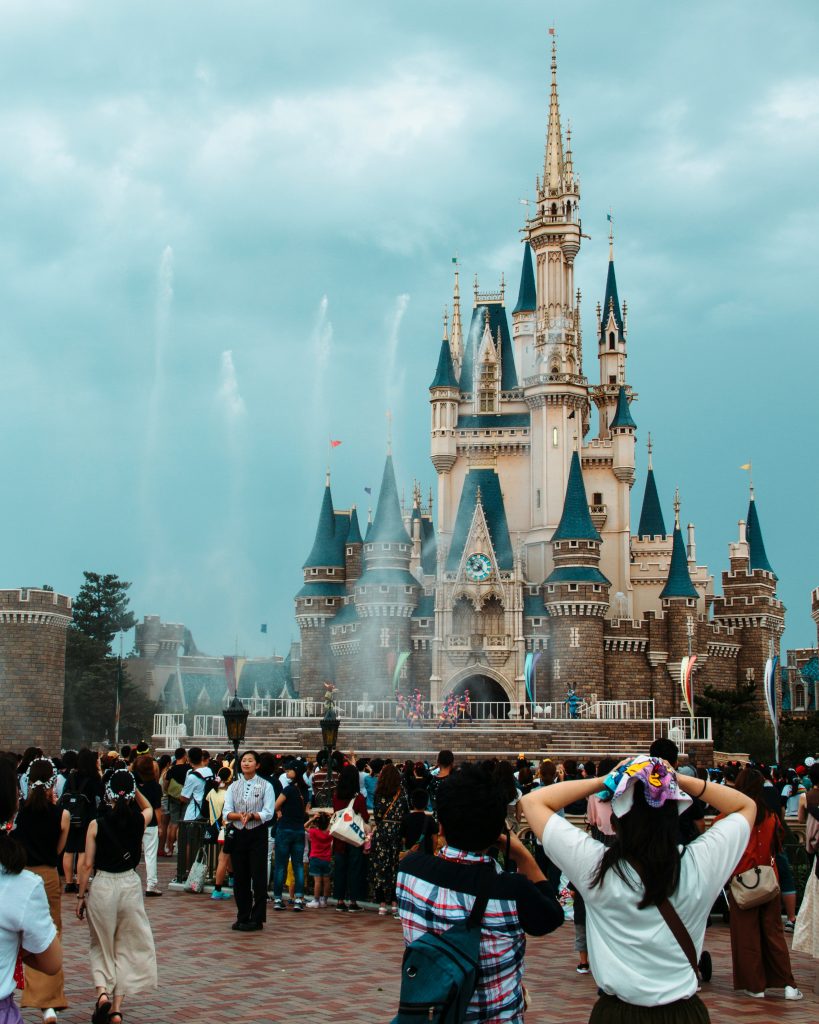
While technically in neighboring Chiba, Tokyo Disney Resort has become integral to many visits, welcoming millions of guests annually to its two distinct parks.
Tokyo Disneyland offers classic Disney magic with Japanese precision in operations and service that elevate the experience, making it a highlight of any Tokyo trip.
DisneySea, unique to Tokyo, creates an adult-oriented park where Mediterranean harbors meet Jules Verne adventures and Arabian nights.
The attention to detail astounds: cast members bow properly, food quality exceeds typical theme park standards, and seasonal events transform already immaculate parks into new wonderlands.
Whether watching Cinderella Castle projections or sailing with Sinbad, these parks demonstrate how Japanese perfectionism enhances even American dreams.
📍 Location & Access: 15 minutes from Tokyo Station to Maihama Station via JR Keiyo Line
🎟️ Tickets/Cost: 1-Day ¥7,900-10,900 (varies by date); Park Hopper available
🌟 Highlights: DisneySea’s unique attractions, seasonal events, Japanese Disney merchandise
💡 Pro Tip: Download Tokyo Disney Resort app for real-time wait times and mobile food ordering.
Seasonal & Scenic Experiences
Tokyo transforms completely with each season, offering distinct experiences that locals anticipate all year. Spring brings the world-famous cherry blossoms that turn parks into pink wonderlands and inspire hanami (flower viewing) parties.
Yoyogi Park and Shinjuku Gyoen National Garden are especially popular during this time, with Yoyogi Park known for its lively atmosphere and Shinjuku Gyoen celebrated for its historical significance, tranquil setting, and diverse gardens filled with seasonal flowers.
Summer explodes with festivals and fireworks reflecting in the Sumida River. Autumn paints temple grounds in fiery maples, while winter illuminations create crystal fantasies throughout the city. Understanding these seasonal rhythms helps visitors plan trips that capture Tokyo at its most spectacular.
Beyond seasonal changes, Tokyo offers year-round scenic experiences that showcase the city’s surprising natural beauty. From traditional gardens that compress nature into perfect miniatures to modern observation points revealing the metropolitan area’s true scale, these viewpoints provide breathing room and perspective amid urban intensity.
Cherry Blossom Hanami (Late March to Early April)
For two magical weeks each spring, Tokyo transforms into a city obsessed with pink petals. Cherry blossoms, or sakura, represent life’s fleeting beauty in Japanese culture, inspiring celebrations that blend reverence with revelry.
Major hanami spots like Ueno Park and Sumida Park near Skytree become outdoor parties where blue tarps reserve spots from dawn and festivities continue under illuminated trees after dark. The blooms progress from tight buds to full flower to petal snowfall in about ten days, creating urgency that drives millions outdoors.
Weather determines exact timing, but late March through early April typically sees peak bloom. Hotels increase rates and reservations become essential, but witnessing Tokyo carpeted in pink while office workers picnic beneath cherry trees creates memories worth any premium.
📍 Location & Access: Major spots: Ueno, Sumida Park, Meguro River, Chidorigafuchi, Shinjuku Gyoen
🎟️ Tickets/Cost: Most parks free; Shinjuku Gyoen ¥500
🌟 Highlights: Peak bloom parties, night illuminations, petal snowfall, food stalls
💡 Pro Tip: Check sakura forecasts and book accommodations months ahead for peak season.
Autumn Color Spots (November)
While spring sakura gets more attention, autumn momiji (maple viewing) offers equally spectacular beauty with fewer crowds. Tokyo’s gardens and temple grounds burst into flames of red, orange, and gold from mid-November through early December.
Rikugien Garden extends hours for evening illuminations that reflect autumn colors in still ponds, creating double the visual impact. The city’s ginkgo trees add golden tunnels along streets like Icho Namiki in Meiji Jingu Gaien, where fallen leaves create yellow carpets. Unlike sakura’s brief beauty, autumn colors last weeks, allowing more flexibility in planning.
The cooler weather makes exploring comfortable, and clear skies offer the year’s best views of Mount Fuji from observation decks.
📍 Location & Access: Top spots: Rikugien, Koishikawa Korakuen, Meiji Jingu Gaien, Mount Takao
🎟️ Tickets/Cost: Rikugien ¥300; other gardens ¥150-500
🌟 Highlights: Evening illuminations, ginkgo tunnels, temple grounds, Mount Fuji views
💡 Pro Tip: Visit weekday mornings for the best photography light and smallest crowds.
Things to Do in Tokyo: Your Next Adventure Awaits
Tokyo is a city that rewrites itself daily while honoring centuries of tradition. From dawn prayers at ancient temples to midnight ramen in neon canyons, every moment offers a fresh contrast of old and new.
Whether you come for world-class food, art, technology, or the sheer spectacle of daily life, Tokyo rewards curiosity with endless discoveries. Plan smartly, linger often, and you’ll leave with memories that feel both timeless and unmistakably now.
Ready to Start Planning Your Tokyo Adventure?
With so many incredible experiences awaiting you in Tokyo, planning the perfect trip can feel overwhelming. That’s where Travly comes in. Whether you need help booking accommodations near your favorite neighborhoods, creating a custom itinerary that matches your interests, or finding the best deals on attractions and experiences, Travly makes it simple to turn your Tokyo dreams into reality. Start planning your unforgettable journey to Japan’s captivating capital today.