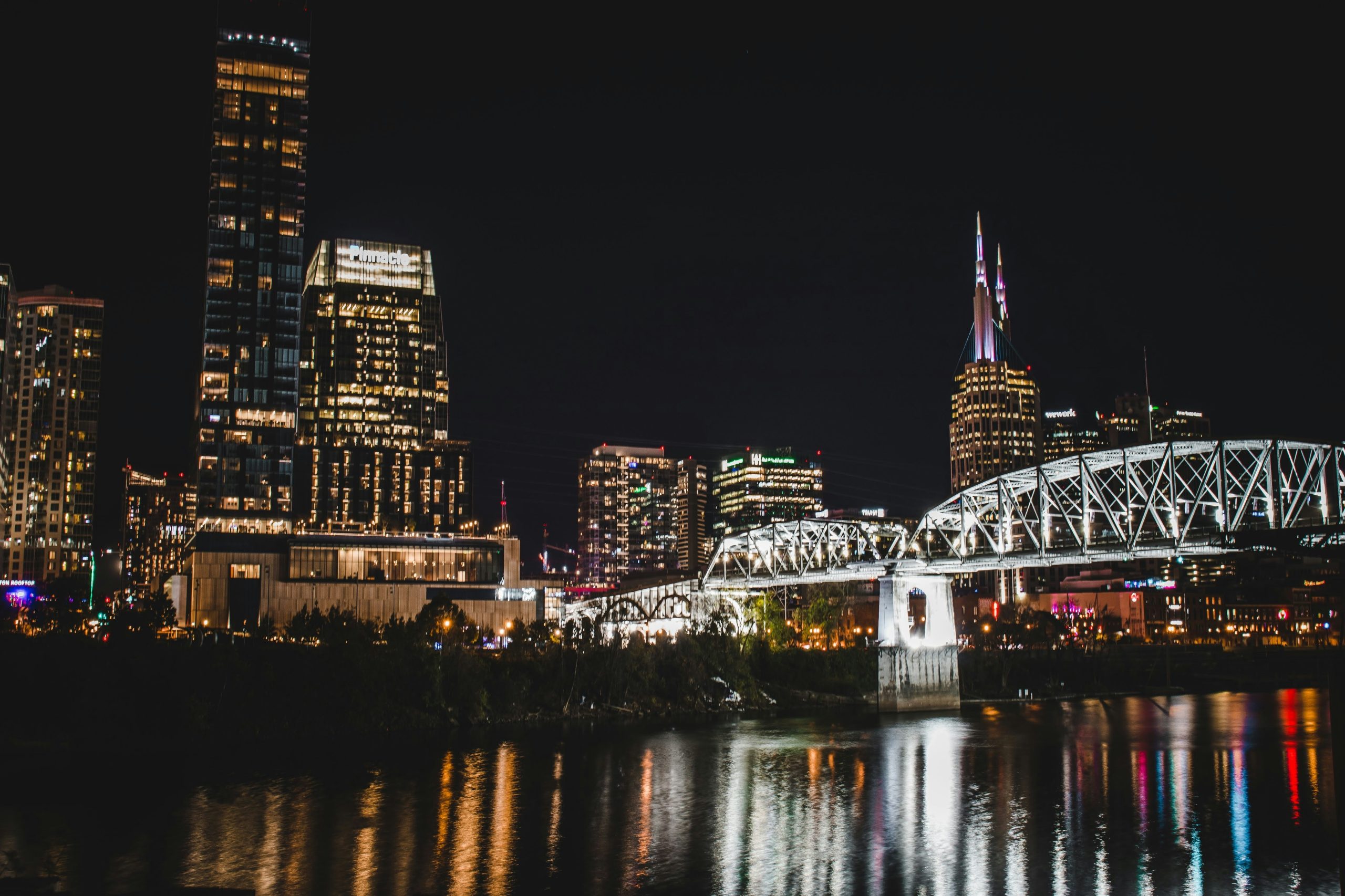
In 2024, Japan welcomed over 36 million international visitors, shattering pre-pandemic records, with Tokyo as the primary destination. With a weakened yen and world-renowned hospitality, there’s no better time to explore this electrifying city.
Ranked as the world’s second-safest city for solo travelers, Tokyo offers an unmatched blend of cutting-edge technology and ancient traditions. The city’s punctual trains arrive within seconds of schedule, vending machines sell everything from hot coffee to fresh eggs, and 300-year-old temples sit peacefully beside gleaming skyscrapers.
This comprehensive guide covers everything you need to navigate Tokyo like a local: from mastering the subway system and choosing the perfect neighborhood to understanding cultural etiquette and discovering hidden gems beyond the tourist trail. Whether you’re planning your first trip or returning to dig deeper, you’ll find practical strategies, money-saving hacks, and insider knowledge to make your Tokyo adventure unforgettable.
Tokyo at a Glance
Greater Tokyo houses approximately 37 million people, making it the world’s largest metropolitan area. Despite its massive scale, the city operates with remarkable efficiency. The official language is Japanese, though major stations and tourist areas feature English signage. The currency is the Japanese yen (¥), with ¥1,000 roughly equaling $7 USD depending on current rates.
Tokyo operates on Japan Standard Time (JST), which is UTC+9 with no daylight saving adjustments. The city consistently ranks among the world’s safest, with crime rates that would seem fictional in most major cities. Train punctuality averages delays of less than one minute on major lines like the Tokaido Shinkansen.
What makes Tokyo unique is its seamless fusion of ultra-modern technology with deep-rooted tradition. You’ll find robot restaurants next to 1,000-year-old shrines, and businesspeople in suits bowing respectfully before entering a convenience store that’s open 24/7. This contrast creates the dynamic energy that makes Tokyo endlessly fascinating.
Map of Tokyo’s Key Neighborhoods

Tokyo sprawls across 23 special wards, each with distinct personalities and attractions. Understanding the layout helps you plan efficiently and avoid wasting time crisscrossing the city.
The Yamanote Line forms a loop connecting central districts: starting at Tokyo Station, it runs clockwise and passes through Akihabara, Ueno, Ikebukuro, Shinjuku, Shibuya, and Shinagawa. Think of this loop as Tokyo’s backbone.
Central districts cluster around the Imperial Palace: Ginza (luxury shopping), Marunouchi (business), and the transportation hub. Western Tokyo holds the bustling centers of Shinjuku and Shibuya. Eastern areas like Asakusa preserve the old Tokyo charm. The Bay Area, including Odaiba, offers futuristic entertainment complexes.
Where to Stay in Tokyo: Neighborhood-By-Neighborhood Breakdown
Choosing your base significantly impacts your Tokyo experience. Each neighborhood offers different advantages depending on your priorities.
Shinjuku: Nightlife & Transport Hub
Shinjuku Station offers unmatched transport access and 24-hour energy. West Shinjuku has luxury hotels; the east side features Kabukicho’s nightlife. The station is vast, so prepare to get turned around.
Stay here for unmatched transport connections and round-the-clock energy. The downside? Navigating Shinjuku Station’s 200+ exits can overwhelm first-timers.
Shibuya & Harajuku: Youth Culture & Fashion
Shibuya Crossing sees up to 3,000 people cross simultaneously during peak times. Beyond the famous scramble, Shibuya pulses with trendsetting fashion, music venues, and innovative dining. Neighboring Harajuku adds kawaii culture and vintage shopping along Takeshita-dori.
Perfect for those seeking Tokyo’s cutting-edge culture and nightlife. Hotels here tend toward business chains and boutique properties rather than luxury options, making it a great place to shop and dine.
Asakusa & Ueno: Old-Tokyo Charm
Asakusa preserves pre-war Tokyo atmosphere with traditional crafts shops, rickshaws, and the ancient Senso-ji temple complex. Small ryokan-style inns offer authentic Japanese hospitality at reasonable prices. Ueno adds world-class museums and cherry blossom viewing in spring.
Choose this area for cultural immersion and lower accommodation costs. The trade-off is the distance from modern shopping and nightlife districts, as you may not be able to walk to them.
Ginza & Tokyo Station: Luxury & Business
Ginza rivals Paris’s Champs-Élysées for luxury retail, with flagship stores from every global brand. The nearby station area offers excellent transport links for day trips. Hotels here cater to business travelers with corresponding prices.
Roppongi & Azabudai: Nightlife & Art
Roppongi attracts Tokyo’s international community with diverse dining and clubs that stay open until dawn. The new Azabudai Hills complex houses teamLab Borderless, which reopened in 2025, cementing the area’s cultural credentials.
Great for night owls, art enthusiasts, or a night out with friends. Some areas get rowdy after midnight, so choose accommodations carefully.
Odaiba / Tokyo Bay: Leisure & Family Fun
Odaiba offers spacious waterfront hotels with bay views and family-friendly attractions. Upon arrival, the artificial island feels removed from central Tokyo’s intensity, connected by the scenic Yurikamome line, which crosses Rainbow Bridge.
Consider Odaiba for a resort-like atmosphere or traveling with children. The location adds 20-30 minutes to reach most major sights.
Getting Around Tokyo Like a Local
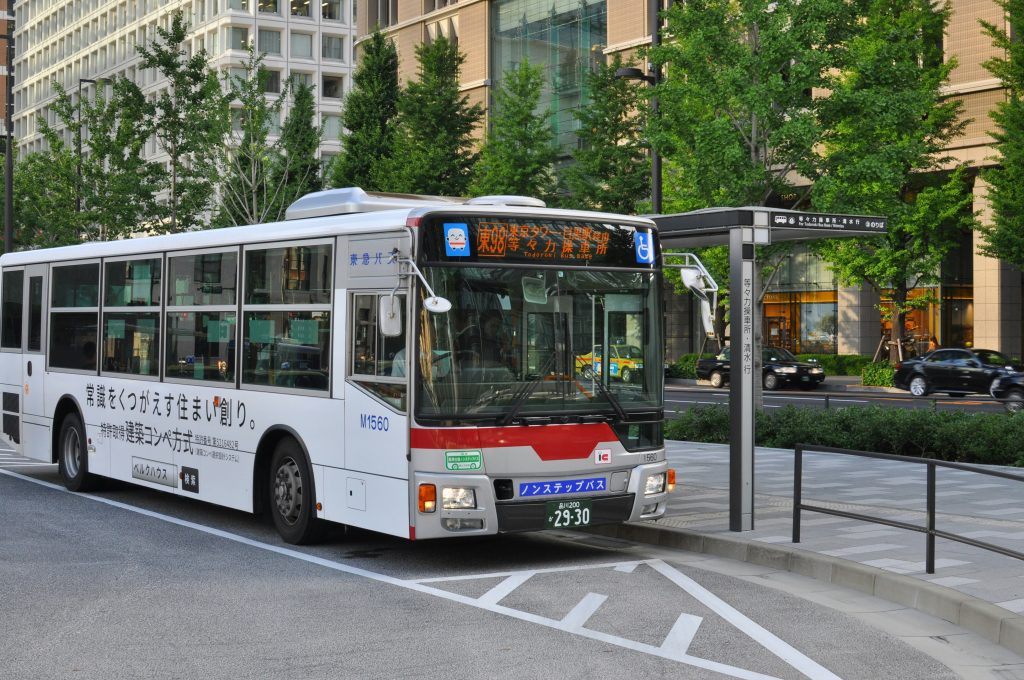
Tokyo’s public transport network is one of the world’s most extensive and efficient rail systems, handling millions of trips daily. Understanding the system transforms your visit from stressful to seamless.
JR Lines & Yamanote Loop
The JR Yamanote Line circles central Tokyo in about 60 minutes, connecting 29 stations. Trains run every 2-4 minutes during peak hours. Consider it your default option for moving between major districts. JR also operates other crucial lines, such as the Chuo (east-west) and the Keihin-Tohoku (north-south).
Tokyo Metro vs. Toei Subway
Two separate companies operate Tokyo’s subways. Tokyo Metro runs nine lines covering most tourist areas. Toei operates four additional lines. While transfers between the two systems cost extra, most visitors won’t notice the difference. Both use color coding and train station numbers (like G-16 for Ginza), making navigation straightforward.
Suica & Pasmo Cards Explained
Forget buying individual tickets. Suica and Pasmo IC cards work on all Tokyo trains, subways, and buses. Simply tap in and out. The system calculates fares automatically. These cards also work at convenience stores and vending machines. There’s no practical difference between Suica and Pasmo for tourists.
Airport Transfers: Narita vs. Haneda
Narita Airport (NRT) sits 60km east of Tokyo. The Keisei Skyliner reaches Ueno in 41 minutes ($17), while the JR Narita Express takes 60 minutes to Tokyo Station ($21). Budget option: regular Keisei trains cost $7, but take 75+ minutes.
Haneda Airport (HND) offers quicker access, just 20km from central Tokyo. The Tokyo Monorail reaches Hamamatsucho in 20 minutes ($3.50), while the Keikyu Line connects to Shinagawa in 13 minutes ($2). Most international travelers prefer Haneda for convenience.
Taxis, Buses, and Bike Share Apps
Taxis start around ¥500 (about $3.50), but quickly become expensive. Drivers rarely speak English, so have your destination written in Japanese or show your phone. City buses fill gaps in rail coverage. Bike sharing has expanded with Docomo Bike Share offering 850 ports citywide, though navigating Tokyo traffic and the busiest intersections within the city center requires confidence.
Cultural Etiquette & Essential Japanese Phrases
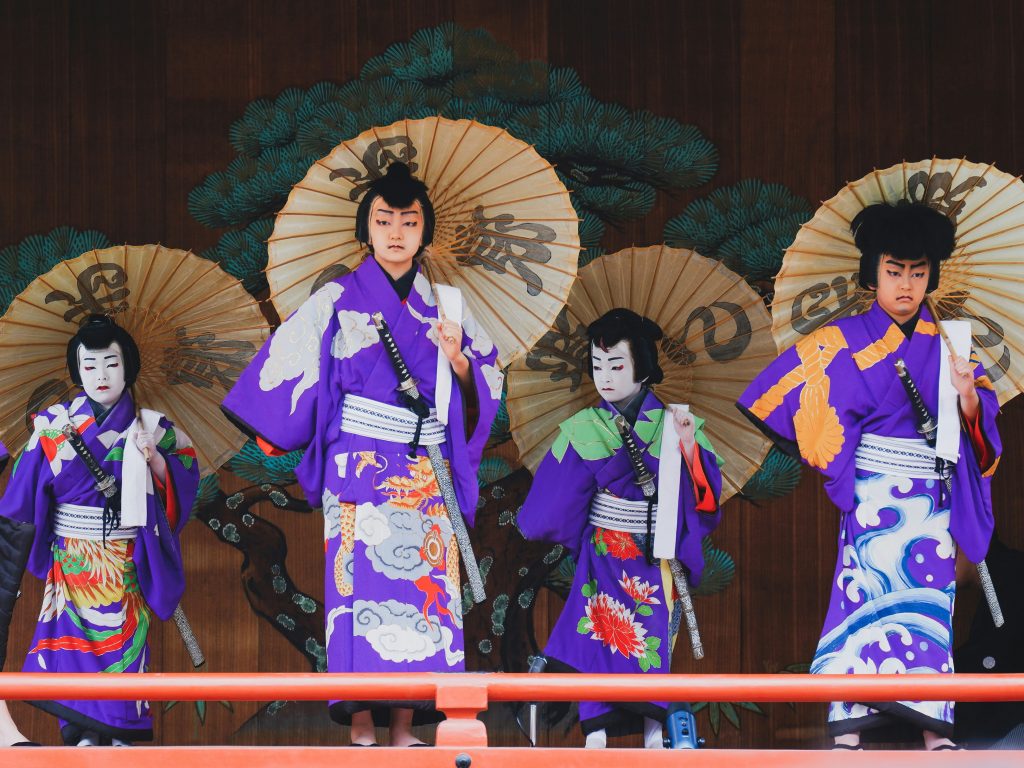
Understanding Japanese customs prevents awkward moments and shows respect for local culture. Tokyo residents appreciate it when visitors make an effort.
Top 10 Etiquette Rules
- No phone calls on trains
- Stand on the left side of the escalators
- Don’t eat while walking
- Remove shoes when required
- No tipping anywhere
- Carry your trash
- Bow to show respect
- Queue properly and wait for your turn
- Keep voices low in public
- Don’t stick chopsticks upright in rice
Bowing replaces handshakes in Japanese culture. A slight nod (15 degrees) works for casual interactions when visiting Tokyo. When someone bows to you, return the gesture. Tokyo trains maintain a library-like quiet. Priority seats near doors are for the elderly, disabled, pregnant women, and parents with small children.
When dining, say “itadakimasu” (ee-tah-dah-kee-mas) before eating Japanese cuisine and “gochisousama deshita” (go-chee-so-sah-mah desh-tah) when finished. Slurping noodles shows appreciation.
When you visit Japan, never leave tips, as excellent service is expected.
Useful Phrases with Pronunciation
- Hello: Konnichiwa (kon-nee-chee-wah)
- Thank you: Arigatou gozaimasu (ah-ree-gah-toh go-zai-mas)
- Excuse me: Sumimasen (soo-mee-mah-sen)
- Yes/No: Hai/Iie (high/ee-yeh)
- Where is…?: …wa doko desu ka? (…wah doh-koh dess-kah?)
- How much?: Ikura desu ka? (ee-koo-rah dess-kah?)
- Delicious: Oishii (oy-shee)
- English menu?: Eigo no menyuu? (ay-go no men-you?)
Top 12 Must-See Attractions
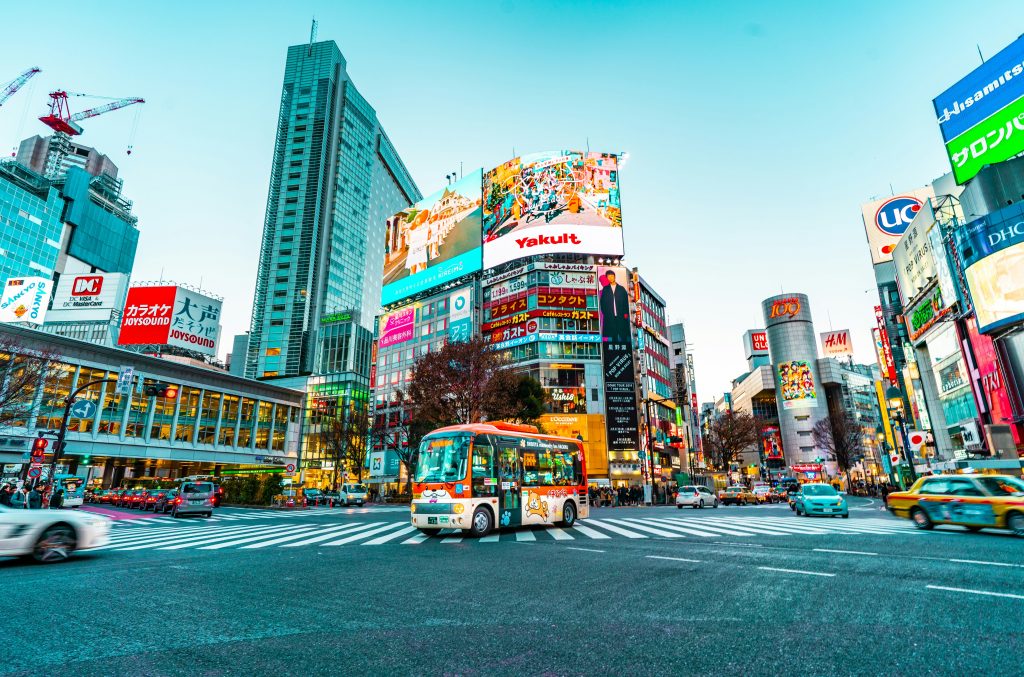
Tokyo offers thousands of sights, but these dozen create the essential foundation for any visit.
Sensō-ji Temple & Asakusa
Tokyo’s oldest Buddhist temple dates back to 645 AD and is part of the city’s history. The approach through Kaminarimon Gate and down Nakamise shopping street builds anticipation. Visit early morning to avoid crowds and catch the monks’ morning prayers.
Shibuya Scramble & Hachikō
The world’s busiest pedestrian crossing peaks around 6 pm when 3,000 people cross simultaneously. The loyal dog Hachikō’s statue nearby has become Tokyo’s most popular meeting spot. Head to Shibuya Sky rooftop for the best crossing views when you visit Japan.
Meiji Shrine
This Shinto shrine’s forested grounds offer tranquility minutes from Harajuku’s chaos. The 100,000 trees were donated from across Japan when the shrine was built in 1920. Visit on Sunday mornings to see traditional wedding processions.
Tokyo Skytree vs. Tokyo Tower
Tokyo Skytree (634m) offers superior views and modern facilities but costs $14.50-$21.50. Tokyo Tower (333m) provides classic views for $8.25 and better night illumination. Choose Skytree for photos, Tokyo Tower for atmosphere.
teamLab Planets & Borderless
teamLab Planets in Toyosu immerses visitors in digital art installations. Plan on getting wet and going barefoot. teamLab Borderless reopened in Azabudai Hills in February 2025 with entirely new exhibitions. International visitors and locals should book timed tickets online to guarantee entry.
Tsukiji Outer Market & Toyosu Auction
While the wholesale market moved to Toyosu, Tsukiji’s Outer Market still buzzes with 400+ shops selling impossibly fresh seafood. Arrive before 9am for sushi breakfast. The new Toyosu Market offers tuna auction viewing from purpose-built galleries. Register online for 5am access.
Akihabara Electric Town
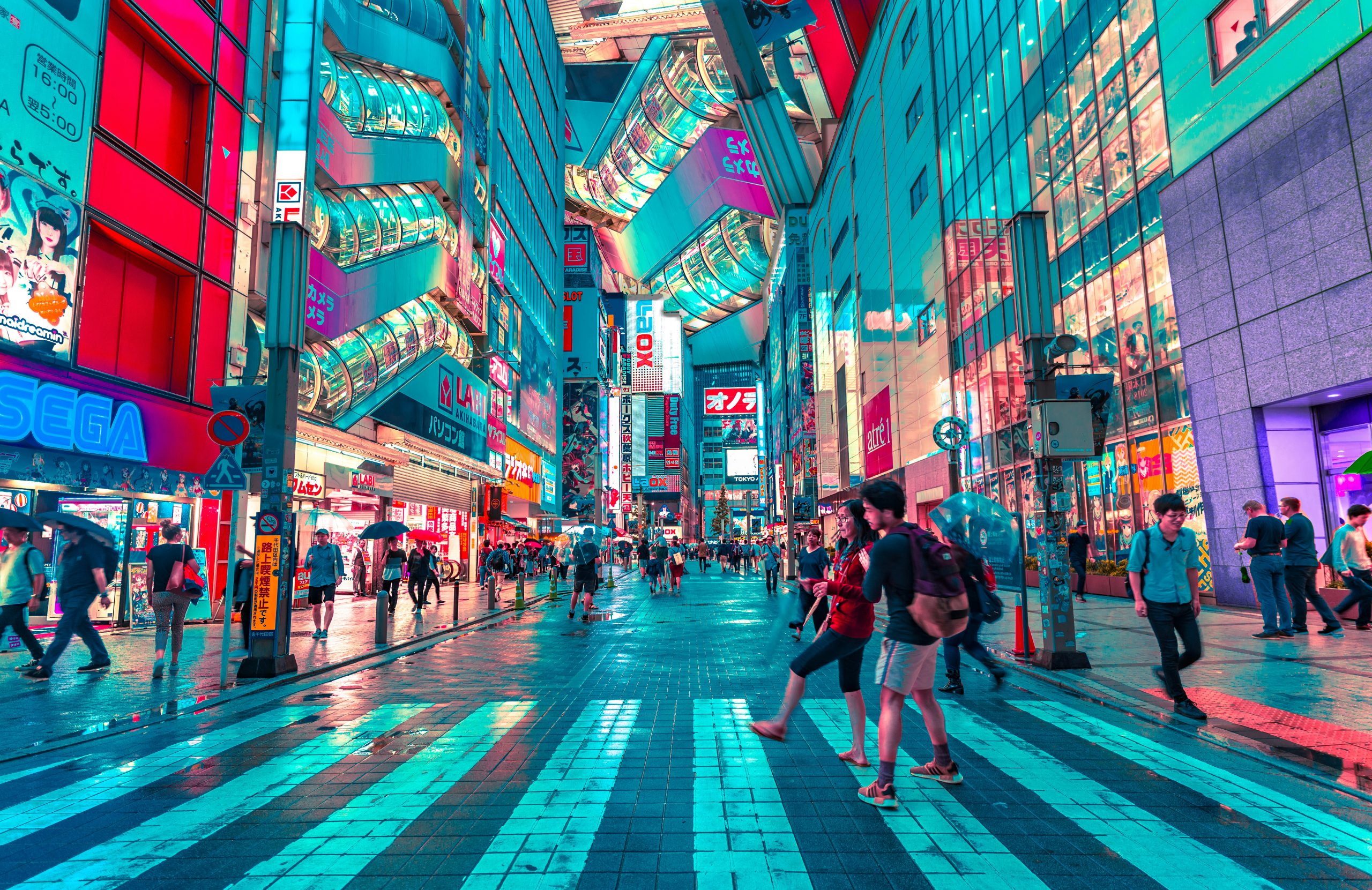
Eight blocks of electronics stores, anime shops, and gaming centers create sensory overload. Even non-otaku find the neon-lit streets and 8-story arcades fascinating. Sunday afternoons see the streets closed to traffic.
Sumo at Ryōgoku Kokugikan
Grand tournaments happen in January, May, and September. Morning practice sessions offer intimate glimpses of this ancient sport. The adjacent Edo-Tokyo Museum provides context for understanding sumo’s cultural significance.
Ueno Park & Museums
The Tokyo National Museum houses the world’s largest collection of Japanese art. In spring, 1,000 cherry trees transform Ueno into party central. The park also contains a zoo, temples, and five more major museums.
Roppongi Hills Mori Art Museum
Contemporary art exhibitions change regularly, but the real draw is the Tokyo City View observation deck. The open-air Sky Deck (an additional $3.50) offers unobstructed 360-degree views.
Unique Tokyo Experiences You Can’t Miss

Beyond standard sightseeing, these distinctly Japanese experiences create lasting memories.
Karaoke Box Night
Private karaoke rooms, charged by the hour, make singing stress-free. Major chains like Big Echo and Karaoke-kan offer English song selections and all-you-can-drink options.
Capsule Hotel + Onsen Baths
Try capsule hotels or relax in a traditional onsen. Capsule hotels offer compact accommodations that provide a uniquely Japanese solution to urban density. Oedo Onsen Monogatari in Odaiba recreates the atmosphere of an Edo-period bathhouse. Wash thoroughly before entering baths, and tattoos may be prohibited.
Maid & Themed Cafés
Akihabara’s maid cafés offer surreal experiences where waitresses in costume treat customers as “masters.” Animal cafés (cats, owls, hedgehogs) provide tamer alternatives.
Seasonal Cherry-Blossom Hanami
Late March through early April, Tokyoites picnic under blooming sakura trees. Prime spots in Ueno Park and along the Meguro River fill by noon. Join the celebration, but respect the space and remember hanami etiquette matters.
Eating & Drinking in Tokyo
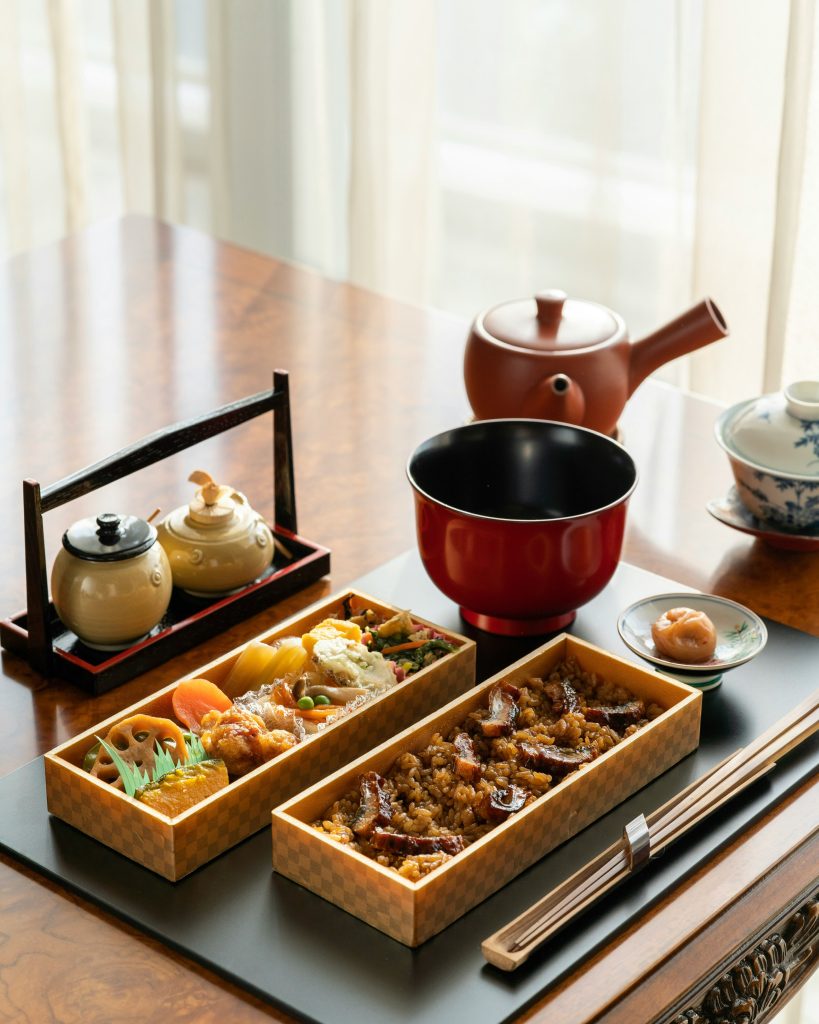
Tokyo boasts more Michelin-starred restaurants than any other city, with 183 restaurants earning stars in the 2024 guide.
Ramen Styles & Where to Slurp
Tokyo’s signature shoyu (soy sauce) ramen competes with rich tonkotsu, miso, and tsukemen (dipping noodles). Tokyo Ramen Street at Tokyo Station showcases a variety of styles.
Top Sushi Spots for Every Budget
- Budget: Conveyor belt chains like Sushizanmai offer decent quality for $1 per plate
- Mid-range: Standing sushi bars in Tsukiji serve chef’s selections for $20-$35
- Splurge: Renowned establishments require reservations months ahead and cost $275+
Izakaya & Yakitori Alleys
Golden Gai packs 200+ tiny bars into six narrow alleys. Each holds 8-10 people. Omoide Yokocho (“Memory Lane”) near Shinjuku specializes in yakitori and beer in atmospheric stalls. Both areas welcome foreigners but expect cover charges.
Street Snacks: Takoyaki, Crepes, Taiyaki
Harajuku crepes stuffed with whipped cream and fruit provide Instagram fodder. Fish-shaped taiyaki filled with sweet bean paste offer traditional treats. Takoyaki (octopus balls) from street vendors make perfect drinking snacks.
Vegan & Gluten-Free Options
Tokyo’s vegan scene has expanded significantly in recent years. T’s Restaurant, Ain Soph, and Nagi Shokudo offer plant-based Japanese cuisine.
Sample 5-Day Tokyo Itinerary
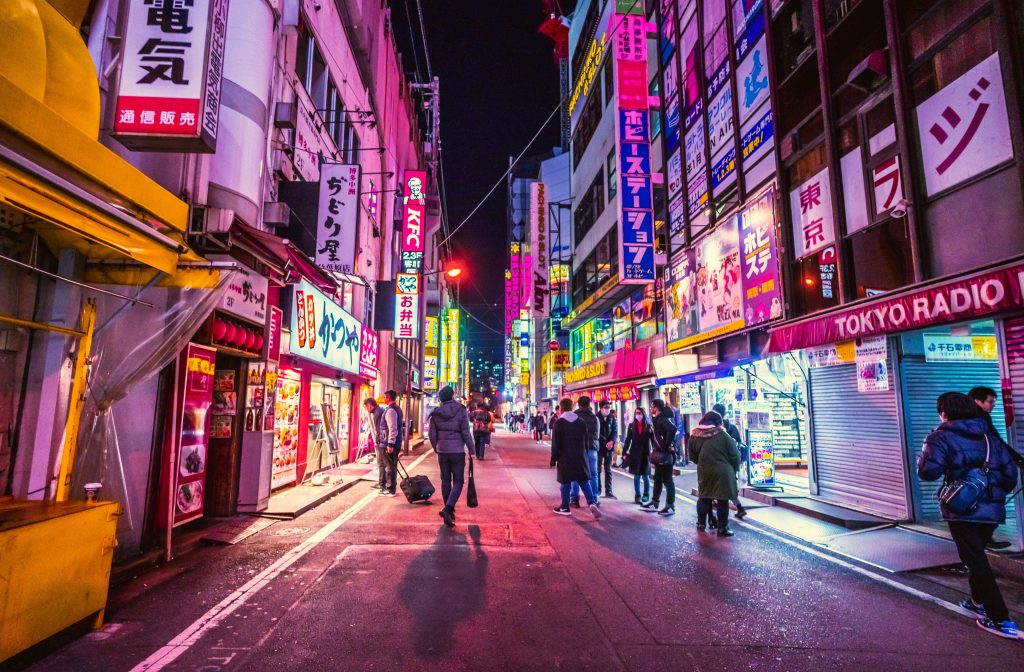
This balanced itinerary covers major sights while allowing flexibility for personal interests.
Day 1: Shinjuku & Shibuya Highlights
- Morning: Meiji Shrine and Harajuku exploration
- Afternoon: Shibuya Crossing, shopping, and Shibuya Sky
- Evening: Shinjuku dining and Golden Gai bar hop
Day 2: Asakusa, Skytree & Sumida River
- Early morning: Senso-ji Temple before crowds
- Late morning: Tokyo Skytree views
- Afternoon: Sumida River cruise to Hamarikyu Gardens
- Evening: Ginza window shopping and dinner
Day 3: Tsukiji Market & Ginza Shopping
- Dawn: Tsukiji Outer Market sushi breakfast
- Morning: Imperial Palace East Gardens
- Afternoon: Ginza shopping and galleries
- Evening: Ramen and Character Street
Day 4: Akihabara & Ueno Culture
- Morning: Tokyo National Museum
- Afternoon: Akihabara electronics and anime shopping
- Evening: Roppongi Hills for sunset views and dinner
Day 5: Day Trip Options
- Hakone: Hot springs and Mt. Fuji views (2 hours)
- Nikko: UNESCO temples and nature (2 hours)
- Kamakura: Ancient capital with giant Buddha (1 hour)
- Yokohama: Chinatown and waterfront (30 minutes)
Budget Breakdown & Money-Saving Hacks

Tokyo’s reputation for high costs is partially deserved but manageable with planning, and it varies depending on your travel type.
- Backpacker: $35-$55 (hostel, convenience store meals, walking)
- Mid-Range: $70-$105 (business hotel, restaurant meals, some taxis)
- Luxury: $175+ (5-star hotels, fine dining at Michelin-starred restaurants, private tours)
JR Pass vs. Tokyo Subway Ticket
The 7-day JR Pass (about $204) only makes sense if you’re taking day trips. For Tokyo-only visits, the Tokyo Subway Ticket offers unlimited Metro/Toei rides: 24-hour (about $5.50), 48-hour (about $8.25), or 72-hour (about $10.35).
Free Activities & Discount Passes
Free: Meiji Shrine, Senso-ji Temple, Imperial Gardens, observation decks at Tokyo Metropolitan Building
Discounts: Grutto Pass ($15) covers 80+ museums. Many attractions offer evening discounts after 5 pm.
💰 Pro tip: Department store basement food floors (depachika) sell restaurant-quality meals at reduced prices before closing.
Best Time to Visit & Tokyo Weather Guide

Tokyo experiences four distinct seasons, each with its own advantages.
Seasonal Pros & Cons
- Spring (March-May): Cherry blossoms draw crowds but create a magical atmosphere. Book accommodations early.
- Summer (June-August): Hot, humid, and rainy season in June. Festivals provide cultural experiences.
- Autumn (September-November): Perfect weather and fall colors. Ideal for first visits.
- Winter (December-February): Cold but clear. Illuminations everywhere and fewer tourists mean shorter queues.
Major Festivals & Events
- January: New Year celebrations and hatsumode shrine visits
- March-April: Cherry blossom season
- May: Kanda Matsuri (odd years only)
- July: Sumida River Fireworks
- August: Obon holidays (many places closed)
- November: Autumn leaves peak
Safety, Health & Travel Insurance

Tokyo’s safety statistics border on unbelievable. Police report finding more lost property than dealing with actual crime. Pickpocketing remains rare. Lost items often get returned to police boxes (koban) or station lost-and-found.
Emergency Numbers & English Hospitals
- Police: 110
- Fire/Ambulance: 119
- Tourist Hotline: 050-3816-2787 (24/7 English support)
St. Luke’s International Hospital and Tokyo Medical and Surgical Clinic offer English-speaking doctors. A travel tip is to opt for travel insurance.
Sustainable & Responsible Tourism Tips
Tokyo takes cleanliness seriously. Visitors should match local standards.
- Reduce waste: Carry a reusable water bottle, since the tap water is safe and delicious.
- Respect neighborhoods: Keep voices low, especially in residential areas
- Support local: Choose family-run restaurants over chains when possible
- Use public transport: Tokyo’s trains are far more environmentally friendly than taxis
Ready to Explore Tokyo?
You’ve got the insider knowledge to navigate Tokyo like a local. Now it’s time to turn these tips into your perfect adventure. Whether you’re drawn to ancient temples, cutting-edge technology, world-class cuisine, or simply the thrill of exploring one of the world’s most fascinating cities, Tokyo delivers unforgettable experiences.
Ready to start planning your perfectly timed Tokyo adventure? Visit Travly.com to discover curated itineraries, exclusive deals, and personalized recommendations that will make your trip unforgettable. Let us help you navigate Tokyo like a local and create memories that will last a lifetime.
Frequently Asked Questions
Do I need a JR Pass if I’m only staying in Tokyo?
No. The JR Pass only covers JR lines, missing most Tokyo subways. Buy a Tokyo Subway Ticket instead for better value.
How much cash should I bring?
Japan remains cash-heavy. Bring $70-$140 to start, then use 7-Eleven ATMs, which accept foreign cards.
Is English widely spoken?
Major stations and hotels have English speakers, but many restaurants and shops don’t. Translation apps and pointing work well.
Can I use credit cards everywhere?
When visiting Japan, it’s essential to know that large stores and hotels accept cards, but many restaurants, top attractions, small shops, and temples remain cash-only.
Are tattoos allowed in Tokyo onsens?
Traditional onsens often prohibit tattoos. Modern facilities and private baths offer alternatives. It varies by location.
What power adapter do I need?
Japan uses Type A/B plugs at 100V. North American devices work directly; others need adapters.