Tokyo transforms dramatically with each season, making your travel timing a critical decision that impacts everything from hotel prices to crowd levels. Knowing the best time to visit can help you avoid the peak season, when cherry blossoms and Golden Week bring the highest crowds and prices, and take advantage of the low season, such as winter or the rainy months, when tourism drops, and deals abound.
Spring brings world-famous cherry blossoms but also peak crowds that can significantly increase hotel rates. Summer delivers vibrant festivals alongside sweltering humidity and typhoon risks. Autumn offers perfect weather and stunning foliage without spring’s crushing tourist numbers. Winter serves up budget-friendly rates and festive illuminations, except during the New Year surge.
Whether you want to visit Tokyo for its iconic sights, experience Japan’s cultural events, or are searching for the best time to visit Tokyo, this guide will help you plan the perfect trip.
This guide breaks down Tokyo’s four distinct seasons month by month, revealing exactly when to visit based on your priorities, whether that’s capturing perfect sakura photos, experiencing authentic summer matsuri, or scoring deals during off-peak periods. You’ll discover insider strategies for navigating Golden Week chaos, beating the rainy season blues, and booking hotels before they sell out during peak times.
How to Use This Guide
Navigate directly to your season of interest or scan our quick-reference charts for at-a-glance comparisons. Look for these helpful markers throughout:
💰 Budget Saver – Best value periods and money-saving tips
📸 Photo Hotspot – Prime photography opportunities and locations
👨👩👧👦 Family Friendly – Kid-approved activities and considerations
Each season section includes weather data, packing lists, crowd forecasts, and specific booking windows to maximize your Tokyo experience while minimizing stress and overspending.
Quick-Glance Season Comparison
Spring (March-May)
Temperature: 55-68°F | Rainfall: Low | Crowds: Maximum (peak tourist season) | Hotel prices: Highest
Pros: Cherry blossom trees in full bloom, perfect weather, outdoor dining
Cons: Extreme crowds during peak season, premium prices, and hotels book out months ahead
Summer (June-August)
Temperature: 77-95°F (average high around 88°F) | Rainfall: High (June-July, many rainy days) | Crowds: Moderate | Hotel prices: Mixed
Pros: Festivals, fireworks, late sunsets, June discounts
Cons: Oppressive heat and humidity, typhoon risk, rainy season with frequent rainy days
Autumn (September-November)
Temperature: 59-77°F | Rainfall: Low | Crowds: Moderate-High (gradual decline as season progresses) | Hotel prices: Moderate
Pros: Ideal weather, fall colors, harvest cuisine, fewer crowds as the season progresses
Cons: Popular weekends, Silver Week spike
Winter (December-February)
Temperature: 41-50°F | Rainfall: Minimal | Crowds: Low (fewer crowds in major cities) | Hotel prices: Lowest (budget rates at luxury hotels)
Pros: Budget rates, no queues, illuminations
Cons: Cold weather, New Year surge, shorter days
Spring in Tokyo (March-April)
Weather Snapshot and What to Pack
Spring arrives gradually in Tokyo, with temperatures climbing from 55°F in early March to around 68°F by late April. Days are typically clear and dry, perfect for walking. Pack layers including a light jacket for cool mornings, comfortable walking shoes, and sunglasses for those bright spring days. Weather-wise, spring is delightful for outdoor activities, thanks to its warm, sunny climate.
March can still feel winter-like, especially in the evenings, so bring a proper coat if visiting early in the month. By April, a light cardigan or windbreaker suffices. Rain is infrequent, but pack a compact umbrella just in case.
Cherry Blossom Forecast and Top Viewing Spots
Tokyo’s cherry blossom season typically peaks between March 25 and April 5, when the cherry blossom trees are in full bloom, though exact dates shift yearly based on winter temperatures. In March 2024, Japan welcomed 3.1 million international visitors, a significant increase driven by cherry blossom tourism that created substantial crowds at popular viewing spots.
Prime sakura locations:
- Ueno Park: Tokyo’s most famous spot with over 1,000 cherry trees (expect substantial crowds on weekends)
- Shinjuku Gyoen: Multiple cherry varieties mean an extended viewing season
- Meguro River: Evening illuminations create a magical atmosphere
- Chidorigafuchi: Rent a boat for a unique perspective (book weeks ahead)
The best time to visit Tokyo for cherry blossom viewing is during the full bloom period, typically late March to early April, when the cherry blossom trees are at their most vibrant.
💰 Budget Tip: Visit weekday mornings before 9 AM to avoid peak crowds and actually enjoy the blossoms.
Navigating Golden Week Crowds
Golden Week (April 29 – May 6) combines multiple national holidays into Japan’s busiest travel period, marking both the peak season and peak tourist season. Travel experts consistently describe it as challenging, with trains overflowing, hotels significantly raising rates, and tourist attractions in major cities like Tokyo and Kyoto becoming extremely crowded.
If you must visit during Golden Week:
- Book accommodations 4-6 months in advance
- Reserve Shinkansen seats immediately upon arrival
- Focus on Tokyo neighborhoods rather than day trips
- Eat at off-peak hours (2-4 p.m. for lunch, after 8 p.m. for dinner)
Budget and Booking Strategies
Critical booking windows for spring:
- 6 months out: Lock in flights for late March/early April
- 4-5 months out: Reserve hotels (they WILL sell out)
- 3 months out: Book restaurants, especially for hanami parties
- 1 month out: Arrange airport transfers and day tours
💰 Money-saving hack: Visit in early March before peak bloom or late April after Golden Week starts for significant savings on accommodations and fewer crowds. If you can be flexible with your travel dates, consider booking during the low season for even better rates and a quieter experience.
Featured Spring Events and Experiences
Beyond cherry blossoms, spring brings unique Tokyo experiences. This is a great time to visit Tokyo and enjoy the festive atmosphere:
- Hana Matsuri (April 8): Buddha’s birthday celebrations at temples
- Kanda Festival (mid-May, odd years): One of Tokyo’s three great festivals
- Tokyo Disneyland Easter: Special parades and decorations through April
- Hanami parties: Join locals for picnics under cherry trees (bring a tarp!)
Summer in Tokyo (June-August)
Tsuyu: Rainy Season Survival Guide
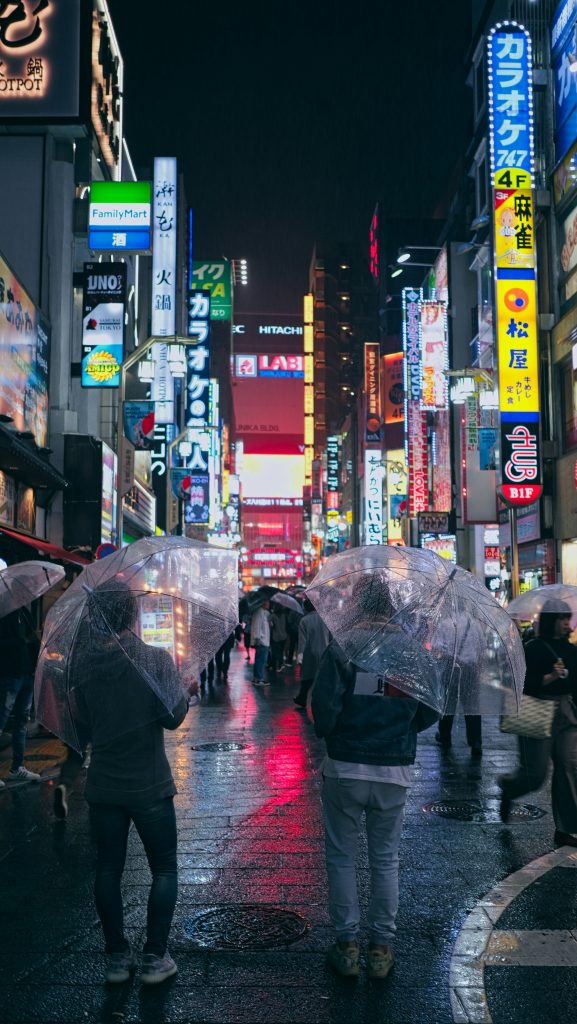
Tokyo’s rainy season (tsuyu) typically runs from June 8 to July 20, bringing frequent showers, many rainy days, and high humidity. During peak tsuyu, rain falls on nearly half the days, but don’t let this deter you. Hotels drop rates significantly as tourists stay away, creating unexpected bargains. Be sure to check the weather forecast regularly during the rainy season to plan around heat, rain, and possible typhoons.
Rainy day strategies:
- Base yourself near covered shopping arcades (Nakano Broadway, Ameya-Yokocho)
- Plan museum days: teamLab Borderless, Edo-Tokyo Museum, Ghibli Museum
- 💰 Book refundable hotel rates in case of typhoon warnings
- Pack quick-dry clothing and waterproof shoes
Beating the Heat: Safety and Comfort Tips
July and August bring brutal conditions, with average high temperatures regularly exceeding 86°F and sometimes reaching 95°F, combined with suffocating humidity. During heat waves, thermometers can hit 95°F or higher. This isn’t casual discomfort; it’s potentially dangerous without proper precautions.
Heat survival tactics:
- Start sightseeing by 7 a.m., retreat indoors 11 a.m. – 4 p.m.
- Carry a hand towel (Japanese style) for constant sweat management
- Hydrate aggressively. Vending machines are everywhere
- Plan air-conditioned activities during peak heat (aquariums, shopping malls)
- Download the Japan Meteorological Agency app for heat warnings
Top Festivals, Fireworks and Obon Travel Advisory
Summer transforms Tokyo into festival central, with massive celebrations nearly every weekend:
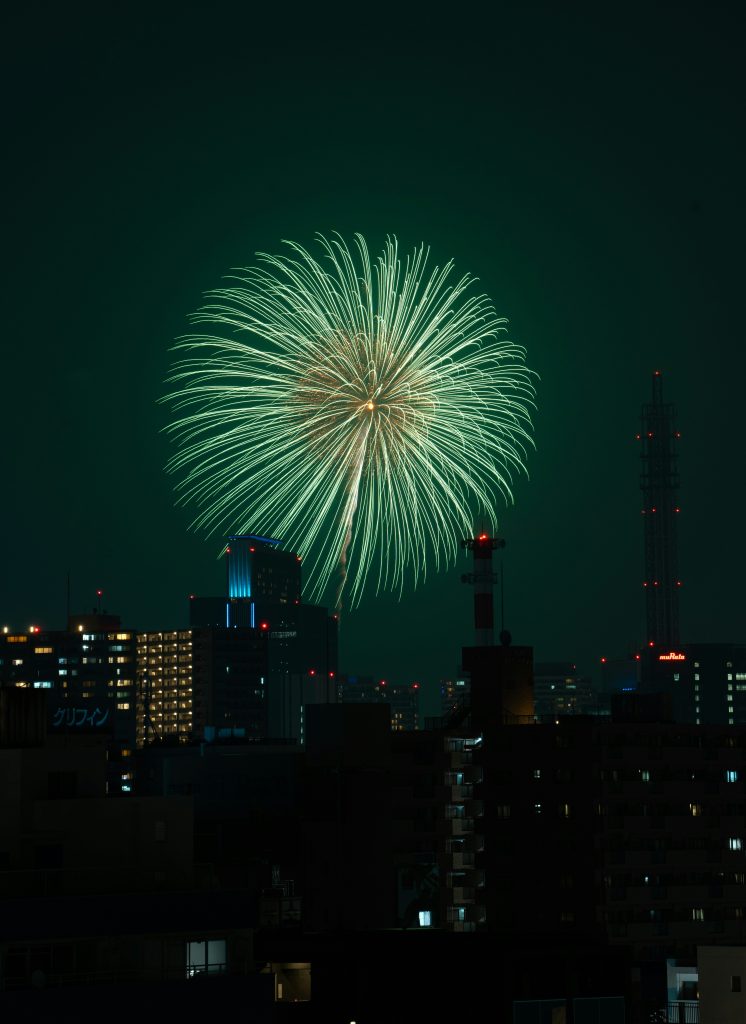
Sumida River Fireworks (last Saturday, July): Approximately 20,000 fireworks attract around one million spectators. This major event marks the start of festival season in late July. Stake out spots by 3 PM or book a restaurant with river views months ahead.
Bon Odori season (early August): Neighborhood dance festivals pop up everywhere. Nakano Bon Odori draws large crowds for traditional dancing. Rent a yukata and join in!
Obon holiday (mid-August, August 13-16): This is a peak travel period, with substantial crowds as many Tokyoites leave the city, creating an odd dynamic. Central Tokyo empties while transportation hubs fill with domestic travelers. Hotels near stations see price increases while business districts offer deals.
Sannō Matsuri (mid-June): One of Tokyo’s major festivals, held in mid-June, coincides with the transition into the rainy season. This is a good time to experience local culture before the weather becomes more unpredictable.
Typhoon Season Watch-outs
Typhoons strike from July through October, peaking in August-September. While direct hits on Tokyo are relatively rare, peripheral effects include:
- Train suspensions (JR stops running in extreme conditions)
- Flight cancellations 24-48 hours before landfall
- Sudden torrential rain even from distant storms
Always monitor the weather forecast for typhoon warnings, as conditions can change rapidly and impact your travel plans.
Travel insurance is non-negotiable for summer trips, as standard airline policies don’t cover typhoon disruptions.
Money-Saving Opportunities in Early Summer
June represents Tokyo’s best-kept budget secret. While rain dampens tourist enthusiasm, savvy travelers score incredible deals during the low season:
- Hotels slash rates significantly compared to spring
- Restaurants offer rainy-day specials
- Tourist sites have minimal queues and fewer crowds
- Airlines offer competitive pricing on unsold inventory
If you can handle intermittent rain and humidity, June delivers maximum value with fewer crowds and moderate prices.
Autumn in Tokyo (September-November)
Weather and Crowd Shift After Summer
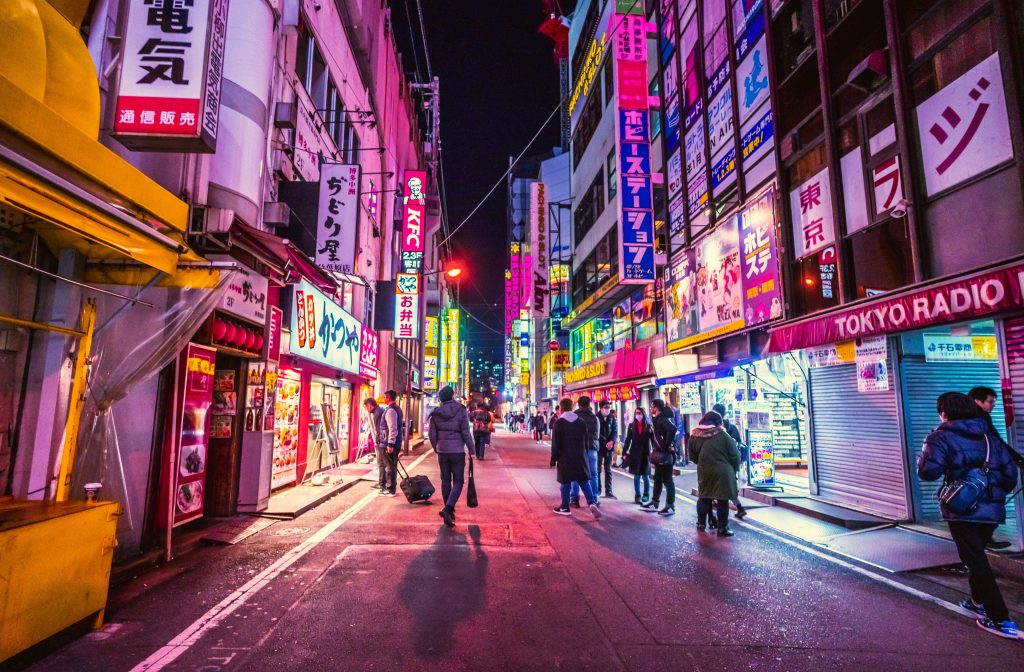
September starts warm (77-86°F) with declining humidity by mid-month. However, be aware that mid-September often sees increased crowds and prices due to the Silver Week holiday. October brings Tokyo’s most comfortable weather, with sunny days around 68°F and cool evenings perfect for outdoor dining. Tourist numbers remain manageable, and as autumn progresses, you’ll notice fewer crowds, creating an ideal balance of good weather and a more relaxed atmosphere.
By November, temperatures dip to 59°F, requiring light jackets but remaining pleasant for walking. This weather sweet spot, combined with fewer crowds in late autumn, explains why many consider fall Tokyo’s best season.
Silver Week: Should You Avoid or Embrace It?
Silver Week occasionally creates a long weekend in mid-September when holidays align, often leading to increased crowds and higher prices. While not as intense as spring’s peak season or Golden Week, Silver Week can still create busy conditions, especially in popular areas. Impact varies by year; check the calendar before booking.
Silver Week strategies:
- Book accommodations early, but expect moderate price increases
- Focus on Tokyo rather than popular getaway destinations
- Restaurant reservations become essential
- Theme parks get busy, but remain manageable with advance tickets
Best Koyo (Fall Color) Spots and Photography Tips
Tokyo’s autumn leaves peak from mid-November to early December, creating spectacular displays without spring’s overwhelming crowds. Prime viewing locations:
- Meiji Jingu Gaien (late November): Golden ginkgo avenue creates a stunning tunnel effect
- Rikugien Gardens: Traditional garden with illuminated maples
- Mount Takao: Easy day trip for mountain colors
- Koishikawa Korakuen: Less crowded than famous spots
📸 Photography timing: Visit 7-9 a.m. for soft light and minimal crowds. Weekday afternoons also work well. Avoid weekends when locals flood popular spots, especially in late October.
Outdoor Activities and Seasonal Cuisine
Fall’s comfortable temperatures make it ideal for Tokyo’s outdoor experiences that are often unbearable in summer, with the added benefit of fewer crowds:
- Cycling the Imperial Palace loop
- Hiking in Okutama (90 minutes from central Tokyo)
- Rooftop bar hopping in Roppongi and Shibuya
- Food festivals celebrating autumn harvests
Visit Tokyo in autumn to enjoy seasonal cuisine at its peak, including sanma (Pacific saury), matsutake mushrooms, and new rice harvest. Many restaurants offer special autumn kaiseki menus.
Mid-Budget Traveler’s Sweet Spot
October represents the ideal value balance, with excellent weather that avoids the foliage price surge of November. Hotels cost less than peak seasons, and traveling during the low season can offer even better deals on accommodation and flights. Flights have good availability, and restaurants welcome guests without spring’s impossible reservation scenarios.
Book six to eight weeks ahead for October travel, close enough to check weather patterns but early enough to secure reasonable rates.
Winter in Tokyo (December-February)
Off-Peak Advantages: Low Prices and Short Queues
Winter delivers Tokyo’s best-kept travel secret: premium experiences at budget prices. Winter is considered the low season, with average temperatures ranging from 41°F to 50°F, which can be chilly but manageable with proper clothing. More importantly, tourist numbers plummet, creating remarkable opportunities:
- Hotels, including luxury properties, drop rates substantially (except New Year week)
- Skip-the-line passes become unnecessary
- Restaurant reservations available same day
- Flight prices hit annual lows
💰 January and February offer the cheapest Tokyo travel, with some hotels, including luxury properties, charging rates comparable to the rainy season.
New Year Holiday Surge and How to Book Around It
New Year (December 28 – January 4) creates a significant exception to winter’s budget paradise. Millions of Japanese travel for family visits and shrine pilgrimages, causing:
- Much higher hotel rates
- Sold-out trains despite increased service
- Many restaurants and shops close entirely
- Shrines packed with millions of visitors
Booking strategies:
- Arrive January 5 for immediate price drops
- Or embrace the experience and book 6 months ahead for New Year
- Consider business hotels that maintain steadier pricing
- Airport hotels offer deals when leisure properties surge
Best Winter Illuminations and Comfort Food Trails
Tokyo transforms into a twinkling wonderland from November through February:
Top illumination spots:
- Roppongi Hills: Sophisticated LED displays
- Marunouchi: Champagne-gold lights line the streets
- Shibuya Blue Cave: 600,000 blue LEDs create magical atmosphere
- Tokyo Dome City: 👨👩👧👦 Family-friendly with amusement park combo
Winter comfort food reaches peak deliciousness. Seek out oden (convenience stores have great versions), nabe hot pots, and warming ramen. Many izakayas offer winter-only menus featuring seasonal ingredients.
For ultimate relaxation after exploring the city lights, consider visiting hot springs. These soothing baths are a classic winter activity, perfect for unwinding and enjoying a unique cultural experience.
Packing List for Crisp, Dry Winters
Tokyo winters are dry and sunny with minimal precipitation. Snow is extremely rare in the city center. Essential packing includes:
- Warm coat (but not Arctic-level)
- Layers for temperature swings between outdoors and overheated trains
- Comfortable waterproof boots
- Hand warmers (sold everywhere)
- Moisturizer and lip balm for dry conditions
Cost and Crowd Comparison Cheat-Sheet
Relative Hotel Pricing (Budget to Premium):
- January-February: $ (Lowest rates of the year, low season)
- June: $ (Rainy season discounts, low season)
- March and December: $$ (Shoulder season)
- October-November: $$$ (Fall foliage demand)
- July-August: $$$ (Summer vacation season)
- Late March-April: $$$$ (Cherry blossom peak, peak season)
- Golden Week/New Year: $$$$$ (Maximum surge pricing, peak season)
Crowd Index (1-5 scale):
- January-February: 2/5 – Peaceful exploration during low season
- June-July: 2/5 – Rain deters tourists
- September: 3/5 – Moderate comfort
- May, August, December: 3/5 – Standard busy
- October-November: 4/5 – Popular but manageable
- Cherry Blossom Peak: 5/5 – Extreme crowds during peak season
- Golden Week: 5+/5 – Avoid if possible
Booking Strategies and Tools

When to Book Flights
When planning a visit to Japan or Tokyo, booking flights at the right time can help you secure the best fares.
Flight pricing to Tokyo follows predictable patterns:
From North America:
- Book 3-4 months ahead for spring travel
- 6-8 weeks for summer (except Obon week)
- 2-3 months for fall
- 4-6 weeks for winter (excluding holidays)
From Europe:
- 2-3 months is generally optimal
- Add 1 month lead time for cherry blossom season
💰 Tuesday afternoon releases often feature the best deals. Set alerts for your target dates and check multiple times weekly.
Hotel Price Alerts and Loyalty Hacks
Tokyo hotel rates fluctuate dramatically. The same room might cost significantly less in January than during the cherry blossoms. Strategies for securing deals:
- Join Asian hotel chains’ loyalty programs (Prince, Tokyu) for member rates
- Book refundable rates early, then rebook if prices drop
- Consider business hotels in Shimbashi/Shinagawa for stable pricing
- Capsule hotels and hostels maintain consistent rates year-round
Rail Passes and Local Transport Cards by Season
JR Pass value varies by season:
- Spring/Fall: Book seat reservations immediately upon exchange
- Golden Week/New Year: Consider avoiding, even with a pass, seats sell out
- Summer: Great value with less competition for seats
- Winter: Best availability and spontaneous travel options
Local transport: Load extra value on IC cards during peak seasons when ticket lines grow long. Consider day passes only if making 5+ trips.
Sample 4-Day Itineraries for Every Season
Spring Blossom Chase Itinerary
Day 1: Ueno Park morning hanami under cherry blossom trees in full bloom (expect crowds), Tokyo National Museum, Yanaka neighborhood walk
Day 2: Shinjuku Gyoen gardens with cherry blossom trees at full bloom (arrive early to avoid crowds), Harajuku, evening Meguro River illuminations
Day 3: Chidorigafuchi boat ride among cherry blossom trees in full bloom, Imperial Palace East Gardens, Ginza shopping
Day 4: Mount Fuji day trip (weather permitting) or Kamakura temples
Summer Festival and Night Views Itinerary
Day 1: Morning Senso-ji Temple, afternoon AC shopping in Ginza, evening Skytree
Day 2: TeamLab Borderless, Odaiba beach, night onsen at Oedo Onsen (hot springs are a great way to relax after a humid day)
Day 3: Festival day (location varies by date, with major festivals often occurring in late July and mid-August), evening rooftop bars
Day 4: 👨👩👧👦 DisneySea (indoor attractions during peak heat and rainy days)
Autumn Foliage and Food Tour Itinerary
Day 1: Meiji Shrine and Jingu Gaien ginkgo avenue, Omotesando architecture walk. Experience the cooler temperatures as you stroll through parks where autumn foliage begins to appear, especially from mid-September.
Day 2: 📸 Rikugien Gardens, Sugamo shopping street, autumn kaiseki dinner. Rikugien Gardens is renowned for its vibrant autumn colors, which reach their peak in late October.
Day 3: Day trip to Nikko for mountain colors or Mount Takao hike. Both destinations are popular in late October for their stunning autumn scenery.
Day 4: Tsukiji Outer Market food tour, Hamarikyu Gardens, Kabuki theater. Hamarikyu Gardens offers beautiful autumn views as cooler temperatures continue into November.
Winter Illuminations and Onsen Side-Trip Itinerary
Day 1: Imperial Palace, Marunouchi illuminations, Tokyo Station shopping
Day 2: Hakone onsen overnight trip (or Nikko with snow monkeys). Enjoy relaxing hot springs, a highlight of winter travel, and consider staying at one of the luxury hotels in the area for superior comfort.
Day 3: Return via Yokohama, evening Roppongi Hills illuminations. Take advantage of the low season, with fewer crowds at major attractions.
Day 4: Akihabara and Asakusa bargain hunting, Shibuya Blue Cave lights
Seasonal Etiquette and Local Tips
Hanami (Cherry Blossom Viewing) Rules: Tarp placement for picnics requires someone to stay with it. Don’t damage trees for photos. Clean up thoroughly and leave no trace. Many parks prohibit alcohol; check signs.
Festival Conduct: Dress appropriately; rental yukata are encouraged for summer festivals. Follow crowd flow patterns. Don’t push for photos during ceremonies. Bring cash for food stalls.
New Year Shrine Etiquette: Purify hands and mouth at the entrance. Throw a coin, bow twice, clap twice, bow once. Don’t touch shrine decorations. Expect massive queues at famous shrines; neighborhood ones offer authentic experiences with less waiting.
Ready to Lock in Your Tokyo Adventure?
You’ve discovered the secrets to timing your perfect Tokyo trip. Now it’s time to turn knowledge into action. Choosing the best time to visit Tokyo is essential for making the most of your trip, as each season offers unique seasonal highlights, ideal weather, and vibrant cultural events.
Whether you’re chasing cherry blossoms, hunting for summer festival thrills, or seeking winter’s budget-friendly calm, Tokyo rewards travelers who time their visits strategically. Use this guide to align your travel dates with your priorities, then book accommodations early, especially for spring and fall peaks when hotels sell out months in advance.
Ready to start planning your perfectly timed Tokyo adventure? Visit Travly.com to discover curated itineraries, exclusive deals, and personalized recommendations that will make your trip unforgettable. Let us help you navigate Tokyo like a local and create memories that will last a lifetime.
Frequently Asked Questions
When do cherry blossoms bloom in Tokyo?
Peak bloom, or full bloom, typically occurs between March 25 and April 5, but varies from year to year based on winter temperatures. This is the peak tourist season with substantial crowds at popular viewing spots. To avoid the largest crowds, consider visiting just before full bloom. Always check the weather forecast and the Japan Meteorological Corporation forecasts starting in January for accurate predictions.
Is typhoon season dangerous in the city?
Direct typhoon hits on Tokyo are rare, but peripheral effects like heavy rain, rainy days, and train delays occur several times each summer. Always check the weather forecast before and during your trip. Travel insurance is essential for trips in July-September.
What’s the cheapest month to fly from the US/EU?
January and February are considered low season and consistently offer the lowest airfares, often significantly less than cherry blossom season. Early June also sees deals, as the rainy season brings fewer crowds and lower temperatures compared to summer.
Do I need to reserve Shinkansen seats during Golden Week?
Absolutely. Even with a JR Pass, seats sell out weeks in advance. Golden Week is peak season, so if you plan to visit Tokyo or travel elsewhere, book immediately upon arriving in Japan, or consider avoiding Shinkansen travel entirely during peak holiday weeks.
When is the best time to visit Japan?
The best time to visit Japan depends on your preferences. Spring (March to May) and autumn (October to November) are peak tourist seasons due to cherry blossoms and fall foliage, but expect substantial crowds and higher prices. For fewer crowds and lower costs, visit during the low season in winter or early summer, but check the weather forecast for temperatures and rainy days.