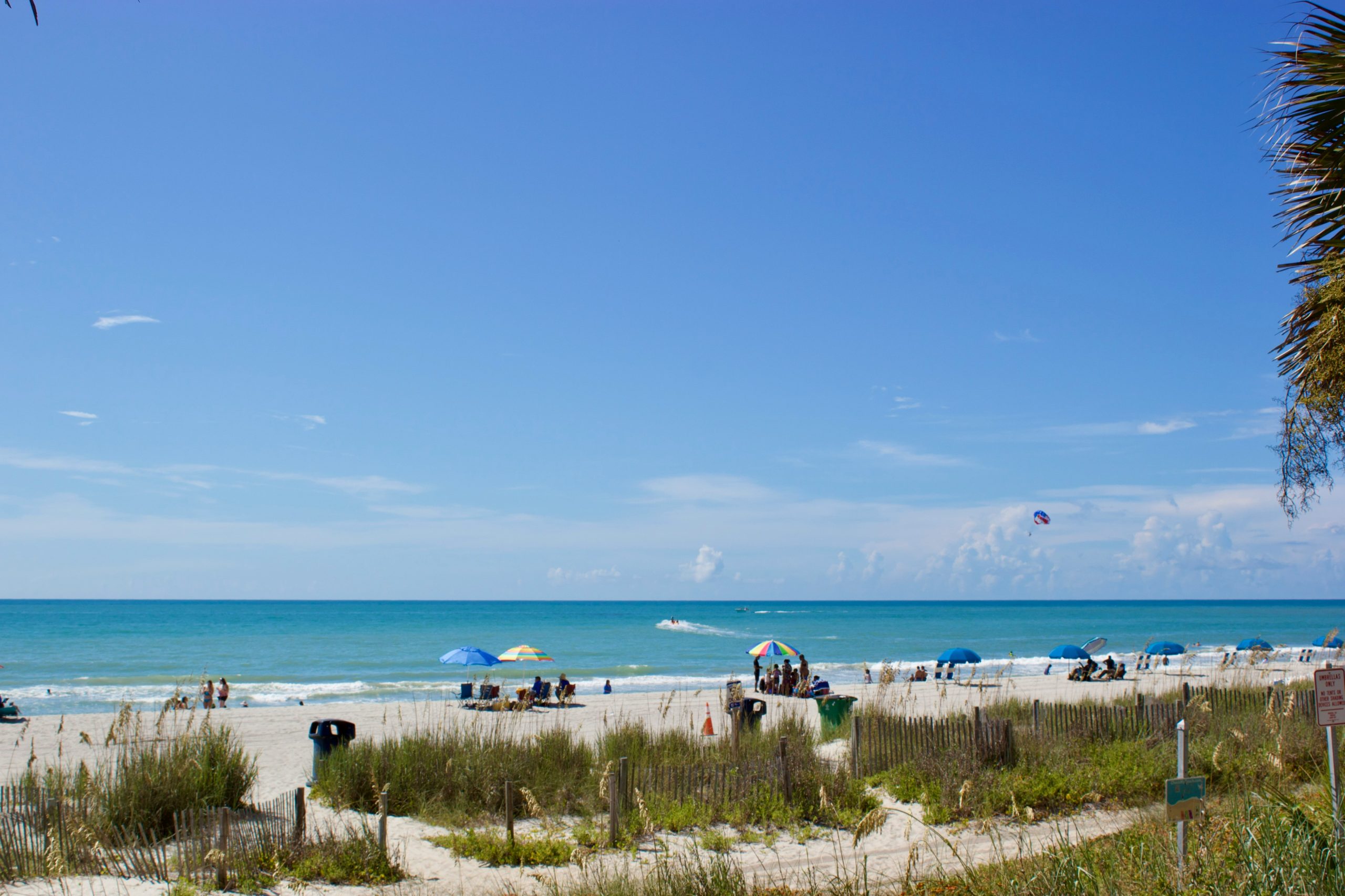
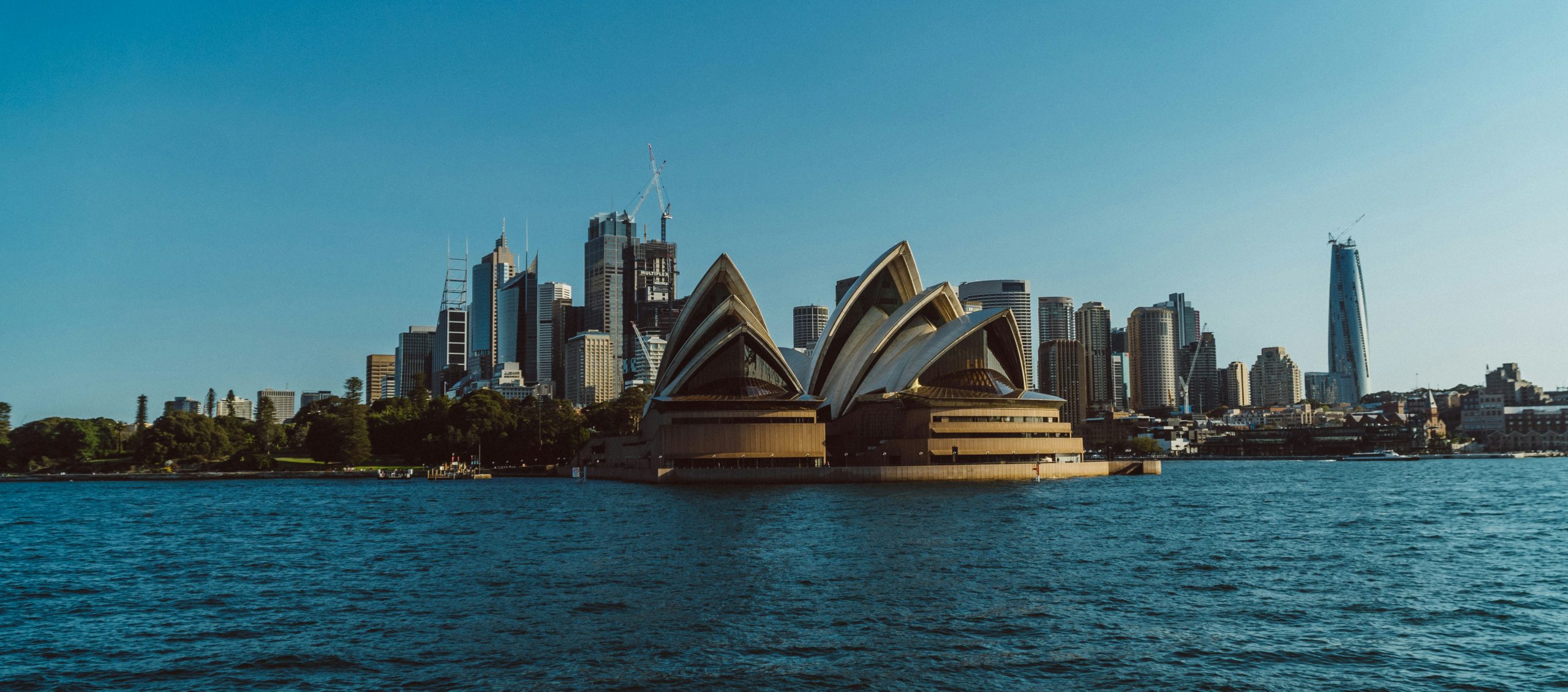
Planning a Sydney trip requires strategic timing. The best time to visit Sydney depends entirely on your priorities: beach weather, major events, or budget-friendly deals.
This guide will help you identify the best times to visit Sydney based on your interests, whether you want to enjoy festivals, pleasant weather, or avoid crowds.
This comprehensive guide breaks down Sydney’s seasons, weather patterns, signature events, and pricing trends to help you choose the perfect dates for your Australian adventure.
Quick Answer: When Is the Best Time to Visit Sydney?
The best time to visit Sydney is during the shoulder seasons, between peak and off-peak tourism. For Sydney, these are spring (September to November) and autumn (March to May). If you visit during one of these times, you’ll enjoy comfortable weather perfect for outdoor activities with temperatures typically ranging from 63-77°F. These months also bring moderate prices and fewer tourists, allowing you to experience Sydney’s attractions with less crowding while still catching major events. Spring offers blooming jacarandas and Sculpture by the Sea, while autumn brings whale watching and comedy festivals.
However, your ideal timing depends on travel priorities and if you’re following a travel guide. Beach lovers should target the summer months (December to February) despite peak prices and crowds. Budget travelers will find the best deals during winter (June to August), when mild days around 62-63°F coincide with Vivid Sydney’s spectacular light displays. Sydney’s weather by month varies significantly, but there’s genuinely no bad time to visit, just different experiences.
Sydney’s Seasons at a Glance
Sydney summers (December through February) bring hot, humid days with average temperatures of 77-82°F and occasional storms. These lively summers are perfect for beach activities, festivals, and sightseeing, but be prepared for peak prices. Sydney’s autumn (March through May) offers mild weather, with average temperatures cooling from 72-77°F to 63-68°F, making it ideal for outdoor exploration and the beginning of the whale-watching season. Winters in Sydney (June through August) remain remarkably mild, with average temperatures of approximately 62-63°F and minimal rainfall, making it perfect for budget-conscious cultural experiences. This period is considered the low season, offering quieter attractions and lower prices for travelers. Spring (September through November) brings average temperatures ranging from 63-77°F, low humidity, and blooming gardens.
Key weather patterns include June as the wettest month (around 5 inches on average), while spring months are the driest. Daylight hours peak in December, with sunrise at 5:30 a.m. and sunset at 8 p.m., while June days are the shortest, with roughly 10 hours of daylight. Regardless of the season, Sydney enjoys abundant sunshine daily, especially in summer and spring. UV levels remain high year-round, requiring sun protection even in winter.
Visiting Sydney in Summer: December and February
Weather and Beach Conditions
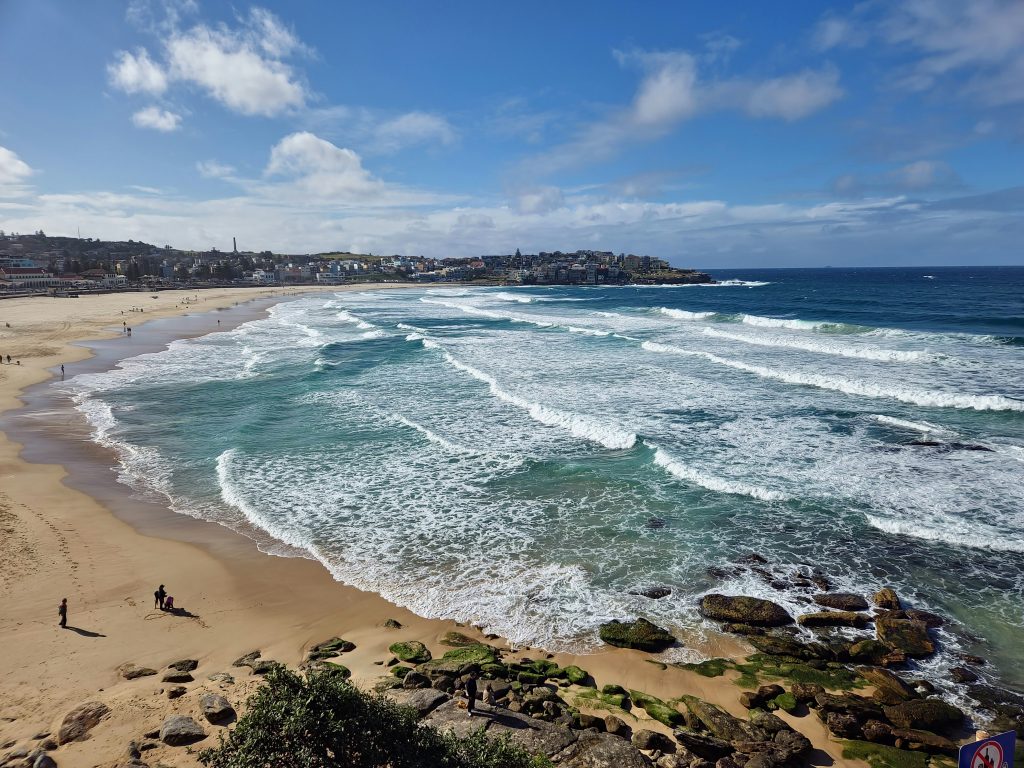
Sydney’s summer weather creates perfect beach conditions with ocean temperatures reaching 71-75°F. Daily highs average 77-82°F, although humidity can reach 65%, making the temperature feel warmer. Long daylight hours mean more time to enjoy the beach, with sunsets not until 8 p.m. in December. However, January and February tend to bring more rain and occasional tropical storms, so be sure to pack a lightweight rain jacket along with your swimwear.
Beach conditions are ideal at famous spots like Bondi, Manly, and Coogee. Consistent swells satisfy surfers while calmer harbor beaches suit families. Coastal breezes provide relief from humidity, making waterfront dining particularly enjoyable. Water visibility peaks for snorkeling and diving, with marine life active in warmer waters. Taking a harbor cruise is also a popular way to enjoy Sydney’s waterfront attractions and scenic views during summer.
Signature Events
New Year’s Eve Sydney fireworks draw 1.5 to 1.6 million spectators to the harbor, making it one of the world’s most-watched NYE celebrations. The midnight display launches from the Harbor Bridge, Opera House, and multiple barges, creating a spectacular show. Book harbor-view accommodation by September for premium viewing, or stake out free public spots early on Dec. 31.
Sydney Festival transforms January with three weeks of arts, music, and performance across multiple venues. Free outdoor concerts in Hyde Park Barracks and ticketed shows at the Opera House showcase international talent. Australia Day on January 26 brings harbor festivities, though awareness of Indigenous perspectives is growing and many now observe it as a day of reflection.
Another major summer sporting event is the Hobart yacht race, which departs from Sydney on Boxing Day. This iconic race is a highlight of the season and draws crowds to the harbor to watch the dramatic start.
Sydney in December also features Carols in the Domain (free outdoor concert), while February hosts Chinese New Year celebrations and the Gay and Lesbian Mardi Gras parade (sometimes early March).
Cost and Crowd Snapshot
Summer represents peak tourist season, with hotel prices significantly higher than winter rates. This is the peak tourism season in Sydney, with a surge in visitors and rising costs across the city. The week between Christmas and New Year sees extremely high hotel occupancy, with rooms in high demand in the CBD. Flights from the US also peak during this period. Restaurant bookings require advance planning, especially for waterfront venues.
Crowds impact major attractions significantly. The Opera House, the Harbor Bridge Climb, and the beaches attract the most visitors. Ferry lines stretch long during peak hours. Tourist hotspots like Circular Quay and Darling Harbour become congested. However, spreading activities across early mornings and weekday visits helps avoid the worst crowds.
Insider Tips and Sample 3-Day Itinerary
Beat summer crowds by starting days early. Sunrise at Bondi Beach offers magical light and minimal crowds. Book restaurants for late lunch (2 to 3 p.m.) when tourist rush eases. Use harbor beaches like Balmoral or Camp Cove as less-crowded alternatives to Bondi. Prioritize must-see sights and consider purchasing attraction passes, such as the iVenture Card, for convenient access to Sydney’s top attractions. Purchase Opal cards for public transport savings and download transit apps for real-time ferry schedules.
Sample 3-Day Summer Itinerary
Day 1: Coastal Charms and Garden Retreats
- Morning: Embrace the early morning tranquility of Bondi Beach, followed by a refreshing Bondi to Coogee coastal walk, offering breathtaking ocean vistas.
- Lunch: Savor a delicious lunch in Coogee, a charming beachside suburb.
- Afternoon: Immerse yourself in the serene beauty of the Royal Botanic Gardens.
- Evening: Unwind with sunset drinks at the iconic Opera Bar, enjoying panoramic views of the Sydney Harbor.
Day 2: Iconic Landmarks and Harbor Adventures
- Morning: Embark on a memorable walk across the Sydney Harbor Bridge, followed by an exploration of the vibrant The Rocks markets. For thrill seekers, consider a Sydney Harbor Bridge Climb for an adrenaline-pumping adventure and spectacular city views.
- Lunch: Indulge in a delightful lunch at Barangaroo, a modern waterside precinct.
- Afternoon: Take a scenic ferry ride to Manly Beach, a relaxed surfing paradise.
- Evening: Enjoy dinner at Manly Wharf, offering a variety of dining options with harbor views.
Day 3: Scenic Cliffs and Urban Explorations
- Morning: Catch a picturesque ferry to Watson’s Bay, then embark on a captivating cliff walk to South Head, showcasing stunning coastal scenery.
- Lunch: Treat yourself to a delectable seafood lunch at Doyles, a legendary waterfront restaurant.
- Afternoon: Discover unique boutiques and charming cafes while shopping in Paddington.
- Evening: Experience the vibrant nightlife at a rooftop bar in Surry Hills, a trendy inner-city neighborhood.
Visiting Sydney in Autumn: March to May
Weather and Atmosphere
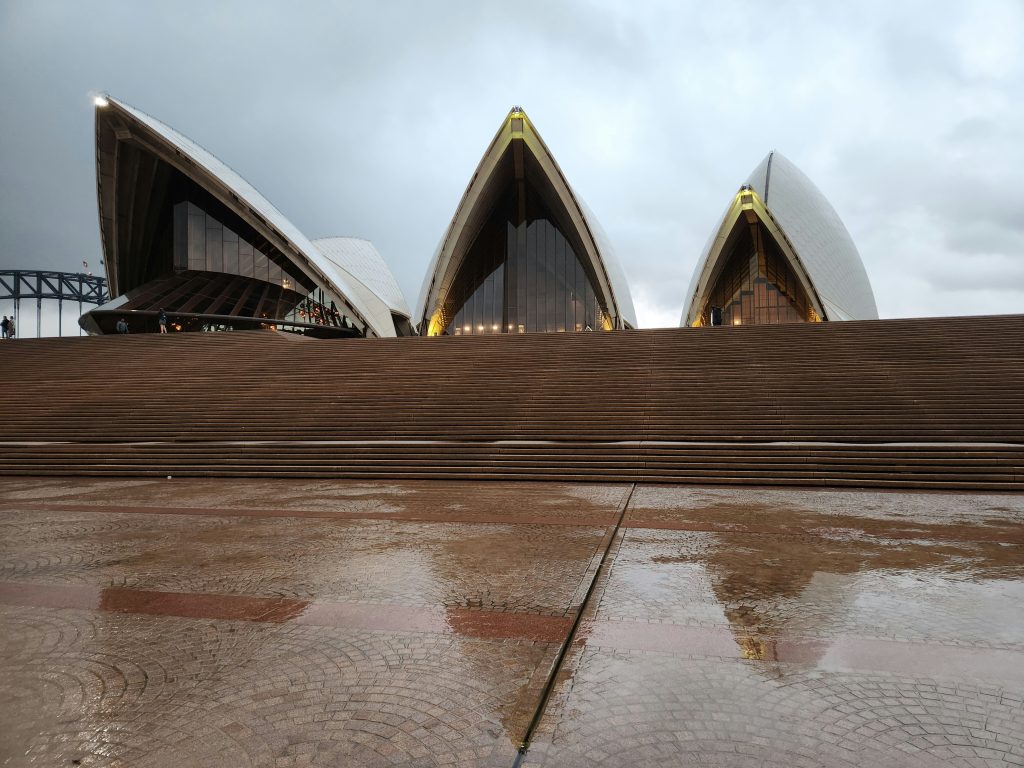
Sydney in March still offers beach weather with temperatures around 72-77°F before gradually cooling. Autumn is known for its mild temperatures, making it a comfortable and pleasant season for exploring the city. By May, days settle into comfortable 63-68°F highs with crisp mornings perfect for outdoor activities, and cold nights are common, so pack accordingly. March actually sees some of the year’s highest rainfall (around 4.5 inches on average), so pack layers and rain gear. Humidity drops significantly from summer levels, making city exploration more comfortable.
This shoulder season in Sydney brings excellent value. Hotel rates drop substantially from summer peaks while restaurants and attractions become more accessible. The city feels more local as international tourist numbers decrease. Sydney autumn events create cultural highlights without summer’s overwhelming crowds.
Major Autumn Events
The Royal Easter Show in April showcases Australian agriculture with livestock competitions, woodchopping, and showbag shopping across two weeks. Sydney Comedy Festival brings international and local comedians to venues citywide throughout April and May. Writers’ Festival in May attracts literary luminaries to waterfront venues.
Whale watching in Sydney season begins in May as humpbacks start their northern migration. Book early morning cruises for the calmest seas and best sighting opportunities. Coastal walks from Bondi to Coogee or through Royal National Park showcase autumn colors while offering opportunities to spot whales from clifftops.
Autumn Advantages
Autumn advantages include perfect hiking weather in the Blue Mountains (without summer heat), comfortable temperatures for the Sydney Harbor Bridge climb, and stunning light for photography. Markets like Paddington and Glebe feel more relaxed. This is a good time for outdoor adventures, sightseeing, and enjoying cultural events. Consider day trips to the Hunter Valley for harvest-season wine tasting or to the Southern Highlands for autumn foliage.
Visiting Sydney in Winter: June to August
Weather Conditions
Sydney winter travel surprises visitors with its mildness. The winter months in Sydney, from June to August, bring daytime temperatures that hover around 62-63°F, rarely dropping below 47°F at night. June brings the most rain (around 5 inches) but July and August offer crisp, sunny days perfect for sightseeing. Pack layers rather than heavy coats; a light jacket suffices for most winter days.
Vivid Sydney Festival
Vivid Sydney dates for 2026 run May 22 to June 13, transforming the city into an illuminated wonderland. Light installations cover the Opera House sails, Harbor Bridge becomes a canvas, and interactive displays line the harbor foreshore. The festival includes music performances and idea exchanges, creating a comprehensive cultural experience. Arrive by 5pm to see installations in both daylight and illuminated states.
Budget-Friendly Winter
Winter marks the cheapest time to visit Sydney, with hotel rates hitting annual lows in July. This period is considered the low season, so budget travelers can find great deals on accommodation and activities. Quality harbor-view rooms become more affordable, often at half typical summer prices. Restaurant deals abound, with many offering winter-warming menus. Even premium experiences like Bridge Climb offer winter specials.
Whale Watching
Peak whale migration occurs June through September with large numbers of humpback whales passing Sydney. Winter’s rougher seas make boat trips more adventurous, but sighting success rates remain very high. Alternatively, watch from clifftop vantage points like North Head or Cape Solander.
Winter Advantages
Winter advantages include easy access to museums and galleries (perfect for rainy days), comfortable temperatures for urban exploration, and locally oriented cultural events. The Australian Museum is a top indoor attraction for exploring local culture and warming up on colder days. Sydney’s vibrant food scene shines with winter farmers’ markets, truffle season, and cozy pub experiences. Sports fans enjoy NRL and AFL seasons in full swing, and attending a rugby match is a classic local winter experience. For those seeking a winter getaway, the Snowy Mountains are a popular destination for winter sports and snowy adventures.
Visiting Sydney in Spring: September and November
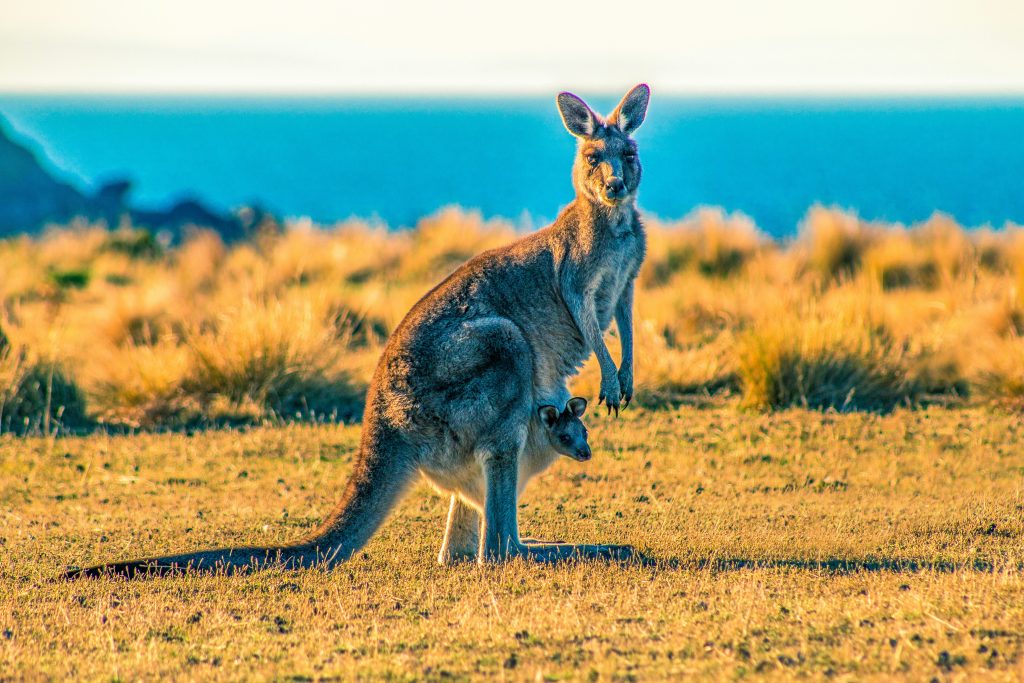
Perfect Spring Weather
Sydney in October delivers near-perfect weather, with temperatures rising from 63°F in September to the mid-70s by November. During spring, average temperatures in Sydney typically range from 63°F to 77°F, making it comfortable for outdoor activities. Minimal rainfall (about 2 to 3 inches per month) and low humidity create ideal conditions for outdoor activities. Gardens burst with color as jacarandas bloom purple across the city, creating Instagram-worthy streetscapes, particularly in Kirribilli and Paddington.
Sculpture by the Sea
Sculpture by the Sea transforms the Bondi to Tamarama coastal walk into an outdoor gallery for three weeks, spanning October to November. Over 100 sculptures from international artists dot the dramatic clifftop path. Arrive early in the morning or late in the afternoon to avoid crowds and capture the best lighting. The event is free, but it gets extremely busy on weekends. Many key festivals and events, such as Sculpture by the Sea, reach their peak in early November, marking the end of spring and the transition to summer.
Spring Activities and Value
Spring weather in Sydney supports diverse activities: beach days return without summer crowds, hiking reaches peak comfort, and outdoor dining thrives. Harbor cruises operate in calm conditions with excellent visibility. The Spring Racing Carnival brings fashion and festivities to Randwick Racecourse, while outdoor cinema seasons commence at various parks.
September offers exceptional value as international visitors haven’t yet arrived for Australian summer. By November, prices begin climbing toward December peaks. Book October accommodation for the sweet spot of great weather and moderate prices. Blooming jacarandas peak late October through November. Visit McDougall Street in Kirribilli for the most spectacular displays. Spring is a great time to visit Sydney, with pleasant weather, vibrant events, and fewer tourists compared to the busy summer months.
Best Spring Experiences
Outdoor activities flourish: kayak Sydney Harbor in calm conditions, cycle the harbor foreshore, or tackle the Bondi to Manly walk. Spring markets showcase local produce and crafts. Food festivals celebrate the season with events like Orange Food Week and Taste of Sydney. Gardens reach peak beauty at Royal Botanic Gardens and Wendy’s Secret Garden.
Month-by-Month Sydney Event Calendar
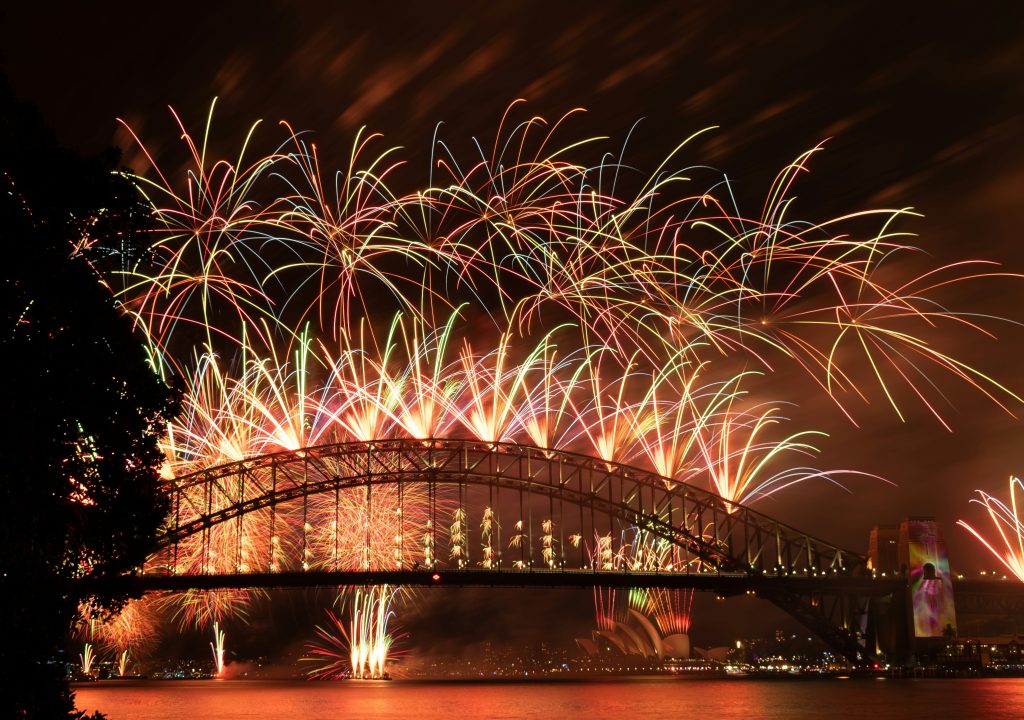
The Sydney events calendar packs year-round entertainment. Here are a few of its highlights:
- January: Sydney Festival (arts) and Australia Day celebrations
- February to March: Chinese New Year, Gay and Lesbian Mardi Gras, Greek Festival
- April: Royal Easter Show and Sydney Comedy Festival
- May to June: Vivid Sydney (light festival), Sydney Writers Festival (major literary event), Sydney Film Festival, Italian Festival
- July: Christmas in July (Blue Mountains)
- August: City2Surf fun run
- September: Festival of the Winds (kite flying at Bondi)
- October to November: Sculpture by the Sea, Good Food Month, and spring racing carnival
- December: Christmas festivities and iconic New Year’s Eve fireworks
Sporting Event Seasons
Sports enthusiasts can enjoy:
- NRL (Rugby League): March to October
- AFL (Australian Rules Football): March to September
- Cricket: October to March
- Tennis: January
Impact of Public and School Holidays
Be aware of increased crowds and prices during:
- Public Holidays: Easter weekend, Queen’s Birthday (June), and Labour Day (October) create long weekends with increased domestic tourism
- School Holidays: April, July, September to October, and December to January see family attractions at their busiest
Stay Updated
For the latest event listings, refer to “What’s on Sydney” websites and apps, and bookmark official tourism sites for planning.
Weather Charts and Smart Packing List
Sydney’s Weather Averages
Sydney experiences remarkably stable weather conditions. Summer highs range from 77-82°F and winter lows rarely drop below 55°F.
- Rainfall: Monthly rainfall peaks in March and June at around 4 to 5 inches, with the lowest in September at approximately 2 inches
- Humidity: Humidity reaches its highest between January and March at 65%, then drops to a comfortable 50% during winter
- Water Temperatures: Water temperatures range from 64 to 75°F in summer
- UV Index: The UV index remains high all year, hitting extreme levels (11+) in summer and staying moderate to high (6 to 8) even in winter. Sun protection is essential regardless of the season; locals apply SPF50+ daily
- Ocean Conditions: Ocean conditions vary: summer offers warm water but occasional storms, while winter provides consistent swells favored by surfers
What to Pack for Your Sydney Adventure
To make the most of your trip, here’s a packing list to consider:
Footwear:
- Comfortable walking shoes are a must for exploring the city
- Comfortable sandals for warmer days
Sun Protection:
- Wide-brimmed hat
- Sunglasses
- Reef-safe SPF50+ sunscreen (non-negotiable)
Clothing:
- Versatile layers (vital, as Sydney weather can change quickly)
- Daypack for excursions and beach trips
- Smart-casual outfit for dining out in the evenings
- Reusable water bottle (stay hydrated and eco-friendly)
Seasonal Specifics:
- Summer (Dec to Feb): Swimwear, lightweight and breathable clothing, and a light rain jacket for sudden afternoon storms
- Winter (Jun to Aug): A medium-weight jacket, long pants, and closed-toe shoes
- Spring (Sep to Nov) and Autumn (Mar to May): Focus on versatile layers, as mornings can be crisp and afternoons warm
Essentials:
- Power adapter (Type I for Australia/New Zealand)
- Any necessary prescription medications
- Travel insurance documents
Beach gear, like towels and umbrellas, can be quite expensive in tourist-heavy areas. Consider bringing your own or shopping at stores located in suburban areas for better deals.
Price Trends and Booking Strategies
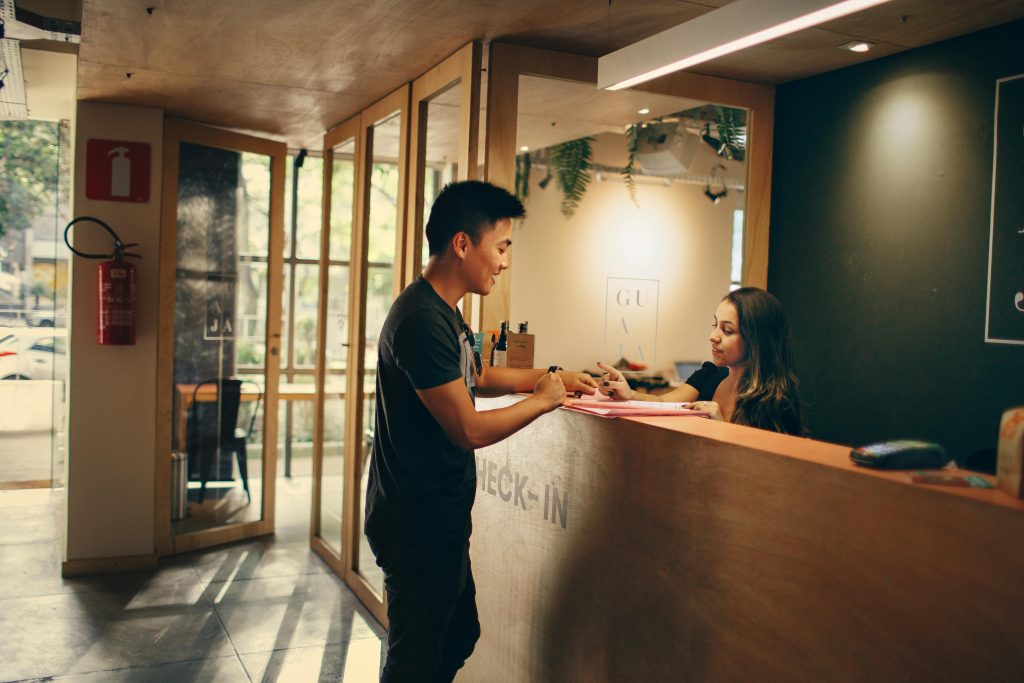
Sydney Hotel Prices and Airfare Seasonality
Hotel Prices: Fluctuate dramatically by season. Peak rates occur during December to January with significantly elevated prices. Winter rates drop substantially, offering the best value for budget-conscious travelers.
Airfare Seasonality: Flights from the U.S. to Sydney vary by season. Peak rates occur around Christmas and New Year. May to August typically offer lower fares.
Booking Tip: Book international flights 3 to 4 months ahead for the best rates.
Smart Booking Strategies for Savings
- Use Tuesday to Thursday arrivals for lower rates
- Book harbor-view rooms in winter for substantial savings compared to summer prices
- Consider apartment rentals for longer stays
- Early-Bird Discounts: Many hotels offer discounts for bookings made well in advance
- Package Deals: Combining flights and hotels often beats separate bookings
Money-Saving Tactics Beyond Accommodation
Public Transport: Purchase Opal cards for daily caps and significant savings. Sunday travel offers especially good value.
Consider your tolerance for crowd levels when selecting the best dates to visit Sydney. High-crowd periods (December to January, Easter, school holidays) mean advance bookings are essential, and tourist sites are packed. Low-crowd times (May to August, excluding Vivid, September) offer spontaneous dining and relaxed attraction visits, with the added benefit of fewer tourists, making it easier to enjoy popular landmarks and events. Shoulder seasons balance manageable crowds with good weather.
Budget constraints strongly influence timing. Travelers with flexibility should target June to August for the lowest prices. Those locked into Northern Hemisphere summer holidays might consider September or late November for better value than peak season. Families tied to school schedules face the highest prices but can still save by avoiding the Dec. 26 to Jan. 5 peak.
Special interests narrow ideal windows: surfers want swells from April to September, whale watchers need the migration from May to November, and garden lovers should visit during the blooms from September to November. Event-driven trips require specific timing: book Vivid Sydney dates immediately when announced, and plan New Year’s Eve one year ahead. Marathon runners target September’s Sydney Marathon for perfect running weather.
Sustainable and Respectful Travel Timing
Sustainable travel in Sydney means considering the environmental and cultural impacts of your visit timing. Sydney is located on the southeastern coast of Australia, within the state of New South Wales, which offers a temperate climate, seasonal variations, and access to regional attractions like the Blue Mountains and Snowy Mountains, making it an ideal base for sustainable travel in the broader region. Traveling during off-peak periods reduces strain on infrastructure and natural sites. Winter visits support year-round employment for tourism workers while experiencing Sydney with a lower environmental impact. Choose accommodations with recognized eco-certifications and support businesses committed to sustainability.
Understanding Indigenous Events in Sydney
Enhance your cultural awareness by understanding Indigenous events in Sydney. NAIDOC Week (July) celebrates Aboriginal and Torres Strait Islander cultures through exhibitions, performances, and community events. January 26, increasingly recognized as Invasion Day, prompts reflection, and many visitors now participate in awareness events rather than celebrations. Respect sacred sites like the Yurong Peninsula (Mrs Macquarie’s Point) by following cultural protocols.
Low-Impact Tourism
Practice low-impact tourism by using public transport, carrying reusable bottles and bags, and respecting beach and bushland environments. Avoid overtourism dates like New Year’s Eve and Easter weekend when possible; this improves your experience while reducing pressure on popular sites. Support local businesses in neighborhood villages rather than only visiting tourist precincts. Choose walking tours led by Indigenous guides to gain authentic perspectives while supporting Aboriginal communities.
Start Planning Your Perfect Sydney Adventure Today

You’re now equipped to plan your Sydney trip with confidence. Whether chasing summer beach days, winter festival bargains, or perfect shoulder-season weather, Sydney delivers year-round appeal.
Sydney’s reversed seasons create unique opportunities for travelers from the Northern Hemisphere. While you’re bundling up for winter, Sydney offers warm beaches and outdoor festivals. When summer heat becomes overwhelming at home, Sydney’s mild winter offers a perfect escape, with lower prices and fewer crowds.
Book Your Sydney Trip With Travly
Ready to turn your Sydney dreams into reality? Visit Travly.com to discover the best deals on flights, accommodations, and unforgettable experiences tailored to your travel style and budget. Our expert team helps you find hidden gems and insider tips that transform good trips into extraordinary adventures. Start comparing options today and save on your Sydney getaway.
Frequently Asked Questions
Do I need a visa to visit Sydney? U.S. citizens require either an Electronic Travel Authority (ETA) or eVisitor visa for tourism stays under 90 days. Apply online! The process takes minutes and costs around $20 USD.
What vaccinations do I need for Sydney travel? No special vaccinations are required beyond routine immunizations. Australia has high health standards, with no risk of tropical diseases in Sydney.
How does the Opal card work for public transport? The public transport Opal card works like a tap-on/tap-off system for trains, buses, ferries, and light rail. Purchase at airport stations or convenience stores, load credit, and enjoy daily caps plus Sunday discounted fares.
Is Sydney expensive compared to other destinations? Sydney ranks among the world’s pricier cities, comparable to San Francisco or London. Plan accordingly for accommodation, meals, and activities to match your budget.
What’s the best area to stay in Sydney? Circular Quay offers premium harbor access, Bondi Beach suits beach lovers, Surry Hills provides trendy local experiences, and Darling Harbor works for families. Each neighborhood has distinct advantages depending on your priorities.