Last year, I watched a client spend thousands on their London vacation during the peak summer season. Six months later, another client took an almost identical trip for significantly less by simply shifting their dates by three weeks. The difference? Understanding when to visit the United Kingdom city and how to leverage seasonal patterns to their advantage.
This guide cuts through the marketing fluff and gives you the data-driven insights you need for planning a trip to London. Whether you’re drawn to summer festivals, Christmas markets, or simply want to dodge the crowds while saving money, I’ll show you exactly when to book, what to expect, and how to make strategic decisions about your visit.
Most guides focus on what to see. This guide focuses on when to go, because timing can transform your entire experience. From weather patterns and daylight hours to crowd levels and hotel pricing, I’ve analyzed the data so you can make informed choices about when to visit London based on your priorities and budget.
Think of this guide as your seasonal blueprint. By the end, you’ll know exactly which month aligns with your travel style, which events are worth planning around, and how to secure the best value, regardless of when you travel.
London Weather and Climate at a Glance
Here’s what most travel guides won’t tell you about London weather: it’s remarkably consistent in its inconsistency. The London climate is milder than most Americans expect. We’re not talking about dramatic seasonal swings here. January highs average around 47°F, while July peaks at approximately 75°F. That’s a narrower range than you’ll find in most major U.S. cities. For visitors seeking the best weather, late spring through early autumn (especially June to September) typically offers the warmest, sunniest days ideal for sightseeing and outdoor activities.
Average Temperatures
The average temperature in London tells an interesting story. Summer (June through August) averages about 71 to 73°F, though occasionally breaking 90°F during heat waves. Winter daytime temperatures range from 37 to 46°F, rarely dropping below freezing during daylight hours. These chilly temperatures mean you’ll want to pack warm clothing and accessories to stay comfortable while enjoying the seasonal winter atmosphere.
What catches most visitors off guard isn’t the temperature. It’s the lack of climate control. Many London buildings, including hotels and restaurants, lack air conditioning. That comfortable 74°F can feel much warmer in a crowded pub or hotel room without cooling.
Rainfall Patterns
London rainfall deserves its reputation, but not in the way you might think. The city doesn’t have a monsoon season or weeks of continuous downpours. Instead, expect frequent light rain throughout the year. October and November are statistically the wettest months, with approximately 2.5 to 2.7 inches of rainfall each, while January sees the most rainy days overall.
The practical reality: always carry a compact umbrella or light rain jacket. London rain is a gentle drizzle, not fierce storms. Locals have embraced this lifestyle, enjoying numerous bustling covered markets, leisurely arcade strolls, and the timeless tradition of afternoon tea, all excellent ways to stay dry and cheerful despite the rain.
Daylight Hours
Daylight variation is London’s most dramatic seasonal change. Late June offers approximately 16.5 hours of daylight, with sunrise around 4:40 a.m. and sunset past 9 p.m. These long days mean you have more time for sightseeing, outdoor activities, and enjoying the city’s vibrant atmosphere well into the evening. This extended daylight fundamentally changes how you experience the city. Imagine exploring Tower Bridge at 8 p.m. in full daylight.
Conversely, mid-December provides just eight hours of light, with sunset occurring around 3:50 p.m. This isn’t just a minor inconvenience; it reshapes your entire itinerary. Winter visitors often find themselves touring outdoor attractions in the dark by 4 p.m., which explains why London’s Christmas lights and illuminated attractions become such focal points during the winter months.
When to Visit: Seasonal Breakdown
After analyzing visitor data, hotel pricing trends, and event calendars, I’ve identified clear patterns that can save you money and enhance your experience. Each season offers distinct advantages and trade-offs. Understanding these nuances is crucial for selecting the optimal time to visit London based on the things you’re looking to do. Considering the different times to visit London will help you make the most of your trip by choosing the period that best matches your preferences.
Spring in London (March to May)
Weather Snapshot
London in spring transforms from winter’s grey chill to genuine warmth. March starts at around 50°F, warming to approximately 59°F by May. Days lengthen each week noticeably, and by late May, you’ll have light until 9 p.m. Rain remains common, particularly in April, but it’s typically light and intermittent. Parks explode with color as cherry blossoms, wisteria, and tulips bloom throughout the city.
Crowd Levels and Pricing
Early spring offers some of the year’s best value. March stands out particularly, as hotels often offer rates substantially cheaper than those in summer. However, avoid these British school holiday dates, when domestic tourists flood London, dramatically driving up prices and creating unexpected crowds: February half-term (mid-February), Easter week, and the late May bank holiday.
Hotel occupancy typically runs lower in spring compared to summer, meaning you can often book quality accommodations just weeks in advance rather than months.
Signature Events
Spring events attract manageable crowds while offering authentic London experiences.
The London Marathon, held in early spring (April 26, 2026), transforms the city into a celebration of running with thousands of participants and spectators.
The Chelsea Flower Show in May attracts garden enthusiasts worldwide, so book accommodations near Chelsea well in advance for that week (May 19-23, 2026).
Easter celebrations include elaborate window displays at Harrods and Selfridges, plus family events across major parks.
St. Patrick’s Day (March 17) brings surprising energy to London, with parades through central London and every pub turning Irish for the day.
Insider Tips
Save Big With Mid-Week Flights. Book your flights for Tuesday or Wednesday in March or early April.
Cycle Like a Local! Skip the touristy horse-drawn carriage rides in Hyde Park and rent a Santander Cycle (Boris Bike). Spring weather is perfect for cycling, allowing you to see more in less time at a fraction of the cost.
Discover Springtime Beauty for Less. Don’t miss outdoor attractions like Hampton Court Palace and Kew Gardens, which look stunning in spring and are still affordable before peak season begins.
Summer in London (June to August)
Weather Snapshot
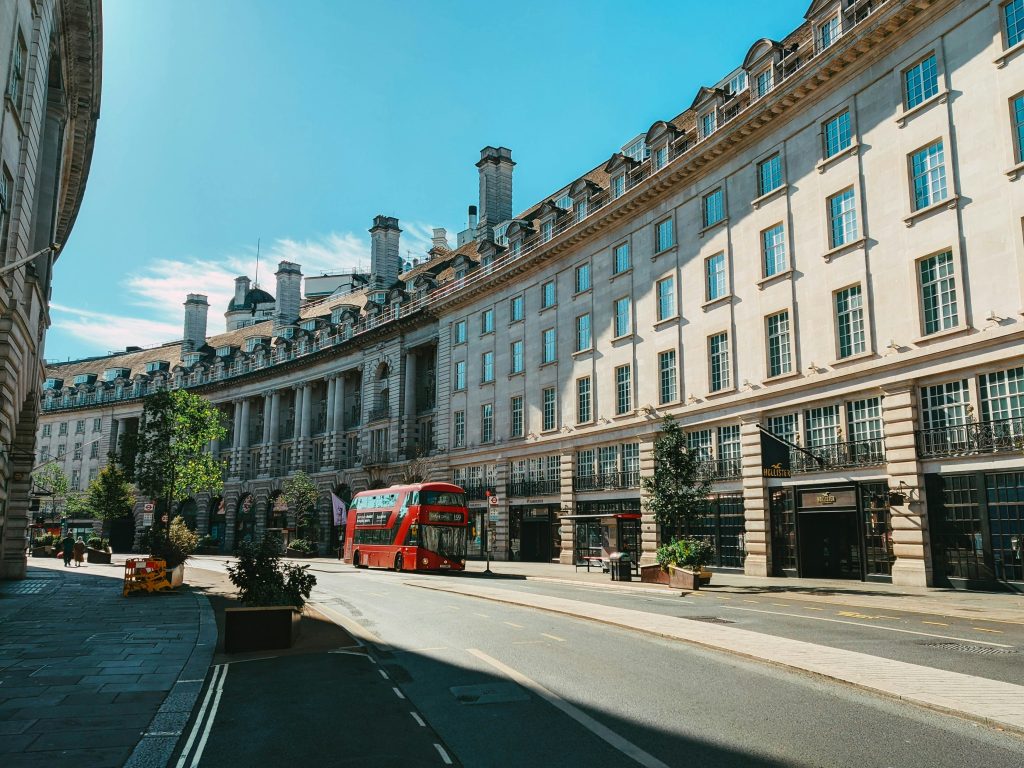
Summer means the warmest, driest weather of the year. Average highs reach 71 to 75°F, with July typically seeing the highest temperatures. Those long days provide ample time for exploring. Even with periodic rain, summer offers the most reliable weather for outdoor activities. Still, anything above 78°F practically triggers crisis mode among Londoners, and many venues lack proper cooling.
Crowd Levels and Pricing
Brutal honesty: summer is expensive and crowded. June through August is the absolute peak season, with hotel prices surging well above winter rates. Occupancy routinely exceeds 85-90%. Major attractions see lines stretching around blocks. The Tube becomes a sardine can during rush hours, with temperatures underground often exceeding 86°F.
For context, a hotel room that costs a certain amount in February might cost significantly more in July. Budget accommodations disappear the fastest, with hostels and budget hotels often selling out months in advance for summer dates.
Signature Events
Summer delivers London’s headline events.
Wimbledon (June 29 to July 12, 2026) transforms SW London into tennis central. Hotels near Wimbledon or along the District/Northern lines book solid six months ahead.
London Pride (late June) fills central London with parades and celebrations.
Notting Hill Carnival (the last weekend of August) attracts over 1 million visitors, making it the largest street festival in Europe.
British Summer Time Hyde Park is a series of concerts held from June through August and featuring major artists.
You’ll also see numerous cinema screenings pop up across the city, and every weekend brings an abundance of festivals, concerts, and special events.
Insider Tips
Book everything ultra early, whether it’s hotels, flights, attraction ticket,s or something else. Make summer reservations several months in advance.
Consider Zone 2 or 3 lodging for better value. Areas like Clapham or Hampstead offer quick Tube access at lower prices.
Purchase skip-the-line tickets for major attractions. Saving two hours at the Tower of London is worth the premium.
Explore major museums during their late evening hours for thinner crowds.
Book lodging for Wimbledon or Notting Hill carnivals the moment you decide to make the trip. Basic hotel rooms near Wimbledon can command premium rates during the tournament.
Autumn in London (September to November)
Weather Snapshot
London autumn starts beautifully. September still offers 64 to 68°F temperatures with decent daylight. October brings spectacular fall colors to Hyde Park and Hampstead Heath. By November, temperatures drop to 52°F, and rain increases. October and November are statistically London’s wettest months. Days shorten noticeably, by late November, darkness falls around 4 p.m.
Crowd Levels and Pricing
September offers a sweet spot. Summer weather lingers but crowds evaporate after Labor Day (when Americans go home) and British schools return. Hotels drop rates from August peaks. October half-term (one week mid-October) brings a temporary surge in families, but otherwise, autumn is refreshingly calm.
For first-time visitors looking to experience the real London, not just the crowds, I suggest visiting during this time. You can enjoy museum visits without the rush, restaurants have plenty of space, and you might even score last-minute theater tickets.
Signature Events
Autumn events lean towards cultural rather than celebratory.
The London Film Festival (October) premieres Oscar contenders across the city.
Bonfire Night (Guy Fawkes Night, November 5) lights up London with fireworks displays. Alexandra Palace and Battersea Park host the best shows. This annual event commemorates the 1605 Gunpowder Plot and is a significant time to experience traditional British festivities and fireworks displays.
Halloween continues to grow in popularity each year, with themed events at the London Dungeon and the Tower of London.
The Lord Mayor’s Show (November 14) offers historical pageantry.
Remembrance Day (November 9) brings solemn ceremonies at the Cenotaph.
Christmas lights switch on across Oxford Street, Regent Street, and Covent Garden from mid-November forward.
Insider Tips
September and early October offer summer’s benefits without the chaos. Prioritize these weeks, if flexible.
Pack layers and waterproof gear. London buildings blast heating from October, so you’ll constantly adjust between cold streets and overheated interiors.
Book restaurants for 6 to 7 p.m. (before theater crowds) for better availability.
London’s Totally Thames Festival in September features free riverside events that can’t be beat.
Winter in London (December to February)
Weather Snapshot
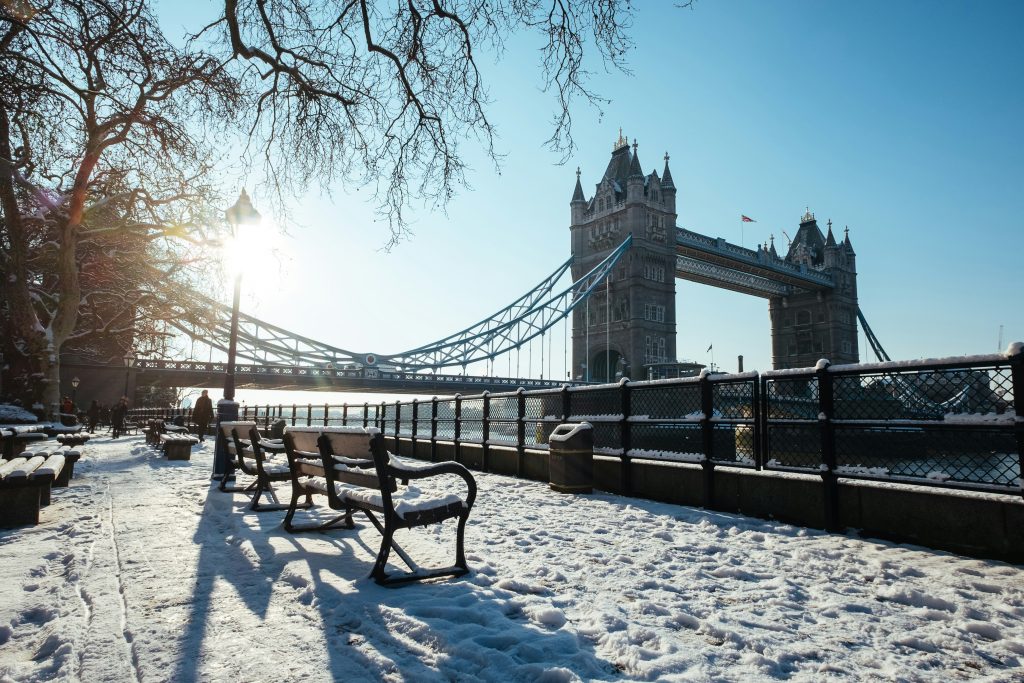
Winter means embracing the season’s limitations. Average highs hover around 42 to 46°F with frequent drizzle. Snow is rare in central London, but frost is common. Those eight-hour daylight windows mean touring in the dark becomes inevitable. However, London’s infrastructure is built for winter: covered markets, heated pubs, and world-class museums make cold weather manageable.
Crowd Levels and Pricing
January and February are typically the cheapest months in London. Hotels slash rates substantially from summer peaks. Flight deals abound, and major attractions have minimal queues. The exception is Christmas week through New Year’s, when prices spike, and crowds surge. But come January 2, London empties dramatically.
February half-term (one week mid-February) brings a brief family surge, but otherwise, winter offers remarkable value. I’ve stayed in four-star Mayfair hotels in January for rates that would cost far more in July.
Signature Events
Winter events center on festivities and culture. Christmas markets transform Hyde Park (Winter Wonderland), Southbank, and Leicester Square from mid-November. Ice rinks appear at Somerset House, the Natural History Museum, and the Tower of London. New Year’s Eve fireworks over the Thames attract global attention, so book accommodations by September.
Chinese New Year (late January/early February) brings parades and celebrations to Chinatown and Trafalgar Square. London Fashion Week (February) energizes the style scene. West End theaters offer special packages, and many museums host exclusive winter exhibitions.
Insider Tips
Embrace indoor London: this is when museums, galleries, and theaters shine.
Afternoon tea becomes genuinely appealing when it’s cold outside.
Book Christmas market visits for weekday mornings to avoid crowds.
Skip Winter Wonderland on weekends unless you enjoy queues.
January sales (starting Boxing Day) offer genuine bargains, particularly at Harrods and Selfridges.
Most importantly, if you’re visiting during Christmas week, book everything by early October, as the city fills with domestic tourists as well.
Peak vs Shoulder vs Off-Season: Finding Value
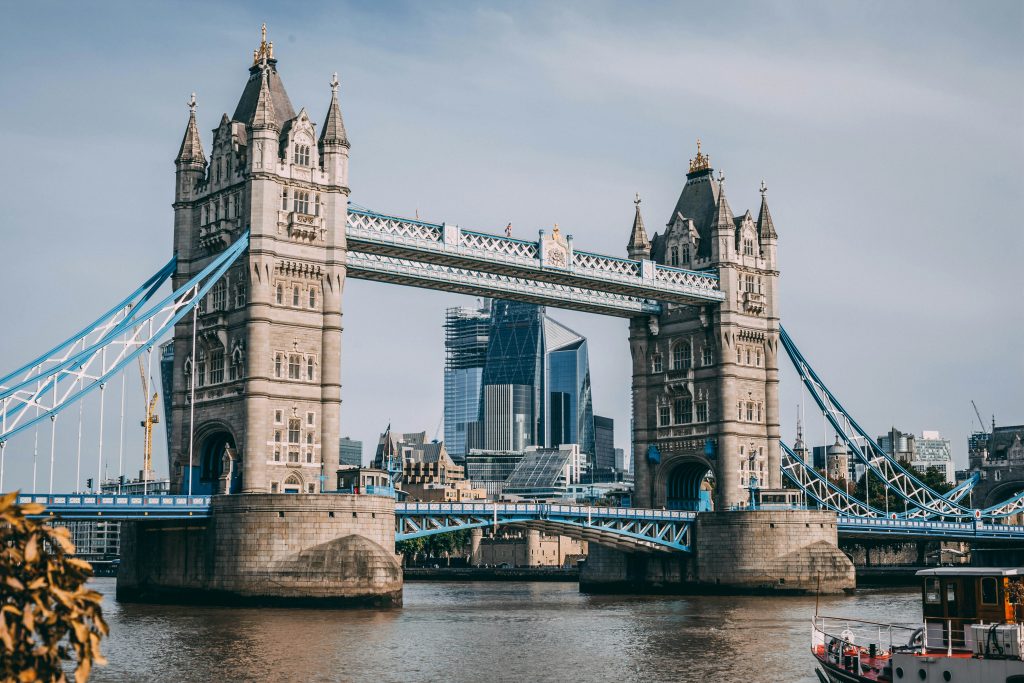
Understanding the difference between London’s peak season and off-season can save you substantial amounts. When planning your trip, factors like weather, crowds, and pricing really matter. They can make a big difference in your overall experience and budget. Let me break down the economics with real insights from my client experiences.
Peak season (late June through August, plus Christmas week) sees hotel rates increase substantially above baseline. A decent three-star hotel in Zone 1 that costs a certain amount in February jumps considerably in July. Flight prices follow similar patterns. Attraction tickets don’t fluctuate much, but you’ll waste time standing in lines unless you purchase skip-the-line access.
Shoulder seasons (March to May, September to October) offer the best value proposition. Weather remains decent, crowds are manageable, and prices drop from peak. This is when savvy travelers visit. You get most of summer’s benefits at a fraction of the cost.
The off-season, from November to February (excluding holidays), offers maximum savings, provided you can tolerate shorter days and cooler weather. We’re talking substantial discounts on accommodations, flight deals, and zero queues. The trade-off is weather, but honestly, London’s infrastructure handles winter better than summer heat waves.
Want to save money in London? Here’s my formula: Visit in late January or early February, stay in Zone 2, book flights on Tuesdays, and focus on museums and indoor attractions. You’ll spend half what summer visitors pay while actually seeing more attractions (no queues). Travel costs become remarkably reasonable when you understand these patterns.
London’s Annual Events Calendar
Strategic travelers plan around London events, either to experience them or avoid the crowds they create. In recent years, London’s event calendar and weather patterns have undergone notable changes, making it even more crucial to stay informed when planning your visit. Understanding the event calendar helps you anticipate price surges and availability issues while identifying unique experiences worth planning around.
Sports and Spectator Events
Wimbledon (June 29 to July 12, 2026) stands as London’s premier sporting event, drawing thousands of spectators over two weeks. Hotels within a reasonable distance of the All England Club book solid six months ahead, with rates rising substantially during the tournament. The London Marathon (April 26, 2026) closes central London streets but creates an incredible atmosphere with participants and spectators lining the route.
Football (soccer) runs August through May, with Chelsea, Arsenal, and Tottenham hosting matches that fill nearby hotels. The Oxford-Cambridge Boat Race (March/April) brings crowds to the River Thames path, highlighting the river’s significance as a key feature of London’s sporting and cultural scene. Royal Ascot (June) technically takes place outside London, but it affects hotel availability, as visitors base themselves in the city.
Arts, Film and Culture Festivals
The London Film Festival (October) premieres hundreds of films over two weeks, with red-carpet events in Leicester Square. London Fashion Week takes place twice a year (in February and September), filling hotels in Soho and Mayfair. The Underbelly Festival (May through September) transforms the South Bank with circus, comedy, and cabaret.
In September, Open House London opens hundreds of buildings usually closed to the public, a remarkable opportunity for architecture enthusiasts. Totally Thames (September) celebrates the river with art installations and performances. These cultural events offer substantial experiences without the pricing pressure of major sporting events.
Food and Drink Events
London Restaurant Festival (October) sees participating restaurants offer special menus and exclusive experiences. Taste of London (June) brings together the city’s top restaurants in Regent’s Park. London Cocktail Week (October) offers affordable cocktails at numerous bars. Accommodations in Shoreditch and Soho book up quickly.
Borough Market hosts seasonal festivals throughout the year. London Wine Week (May) provides tastings and masterclasses. These events rarely have a significant impact on accommodation prices, but they do require restaurant reservations weeks in advance.
Holiday and Seasonal Celebrations
Christmas markets run from mid-November through early January, with Hyde Park’s Winter Wonderland attracting millions of visitors. New Year’s Eve fireworks draw thousands of ticketed spectators plus millions watching from afar. Chinese New Year (late January/February) brings parades and festivities to Chinatown.
Bonfire Night (November 5) features fireworks displays throughout the city. St. Patrick’s Day (March 17) and Pride (late June) create party atmospheres in central London. Understanding these major London events helps you decide whether to embrace the energy or seek quieter alternatives.
Insider Travel Tips
Beating Crowds and Cutting Costs
After helping hundreds of clients navigate London, I’ve identified travel strategies that consistently save time and money. These aren’t gimmicks; they’re tested approaches that work.
First, you must understand the economics of skip-the-line access. Paying extra for timed entry tickets saves substantial time at major attractions during peak season. That’s valuable touring time, not just convenience. Book these tickets at least two weeks ahead. They sell out during the summer.
For budget-conscious travelers, master the zones. Staying in Zone 2 (Clapham, Canary Wharf, King’s Cross) saves substantially on accommodations while adding just minutes to your commute. Buy an Oyster Card immediately upon arrival. Contactless payment caps daily charges, essentially giving you unlimited travel after hitting the threshold.
Visit major museums during late openings (usually Fridays) when crowds thin dramatically. The British Museum, V&A, and Tate Modern all offer evening hours. Similarly, book restaurant reservations for 6 p.m. or 9:30 p.m. to avoid the theater rush.
Here’s a counterintuitive tip: skip the London Pass unless you’re a museum marathon runner. Most visitors overestimate the number of attractions they’ll visit daily. Instead, book individual tickets for must-sees and explore London’s numerous free attractions: markets, parks, churches, and street art cost nothing.
Finally, download Citymapper before arriving. This app navigates London’s transport system better than Google Maps, showing real-time delays and alternative routes. It even calculates whether walking might be faster than waiting for the next train.
What to Pack for London by Season
Your packing list should prioritize versatility over volume. London’s variable weather and compact hotel rooms reward strategic packing. Here’s what to bring based on seasonal realities, not fashion magazines.
London Packing List by Season
Spring (March to May): Layers are essential. Pack light sweaters, long-sleeved shirts, and a waterproof jacket. Comfortable walking shoes are a must. An umbrella is advisable.
Summer (June to August): While it’s the warmest time, still pack layers. Light dresses, t-shirts, shorts, and comfortable sandals are suitable, but also bring a light jacket or cardigan for cooler evenings and air-conditioned venues. An umbrella is still useful for sudden showers.
Autumn (September to November): Similar to spring, focus on layers. Sweaters, waterproof jackets, and closed-toe shoes are important as temperatures drop and rain increases.
Winter (December to February): Warm clothing is crucial. Think heavy coats, sweaters, scarves, gloves, and waterproof boots. While snow is rare, it’s cold and damp. Indoor attractions will be heated, so layers that can be easily removed are still practical.
General Packing Tips for London
Comfortable Shoes: You’ll be doing substantial walking. Prioritize comfortable, broken-in shoes over trendy ones.
Adapter: London uses Type G power outlets (three-pronged rectangular pins). Bring a universal adapter.
Reusable Water Bottle: Stay hydrated and reduce plastic waste. Many places offer free water refills.
Small Day Bag: A cross-body bag or small backpack is ideal for carrying essentials like your umbrella, water bottle, and a light layer.
Compact Umbrella/Light Rain Jacket: This is non-negotiable for any season. London rain is frequent, though it’s often just drizzle.
Layers: London weather is notoriously changeable, often within the same day. Dressing in layers allows you to adapt to temperature fluctuations.
Smart Casual Attire: Most London establishments are pretty relaxed, but “smart casual” is a good baseline for evenings out or nicer restaurants.
Power Bank: For your phone, especially with heavy use for navigation and photos.
Medicine: Bring any prescription medications you need, as well as over-the-counter basics like pain relievers or allergy medicine.
This strategic packing approach ensures you’re prepared for London’s dynamic climate and maximizes your comfort and enjoyment throughout your trip.
Sample 7-Day London Itinerary for Every Season
Crafting a perfect seven-day itinerary means aligning your activities with the season. Here are four distinct sample weeks, designed to maximize your experience, whether you’re seeking blooming gardens, vibrant festivals, cozy pubs, or festive markets. Each itinerary takes into account seasonal weather, daylight hours, and crowd levels.
Spring Sample Week (March to May)
A spring itinerary focuses on outdoor beauty and manageable crowds.
Day 1:
- Morning/Afternoon: Arrive, check into hotel. Explore South Bank (Tate Modern, Borough Market, Shakespeare’s Globe).
- Evening: Dinner in Southwark.
Day 2:
- Morning: Tower of London, Tower Bridge.
- Afternoon: Cruise on the Thames.
- Evening: West End theatre show (book ahead!).
Day 3:
- Morning: British Museum.
- Afternoon: Stroll through Bloomsbury, explore independent bookstores.
- Evening: Dinner in Covent Garden.
Day 4:
- Morning: Kensington Palace and Gardens.
- Afternoon: Victoria & Albert Museum or Natural History Museum.
- Evening: Enjoy a traditional pub meal in Kensington.
Day 5:
- Full Day: Day trip to Windsor Castle (easily accessible by train). Pack a picnic to enjoy in the castle grounds.
Day 6:
- Morning: Chelsea Flower Show (if visiting in May), or explore the charming streets of Chelsea and grab lunch at a local cafe.
- Afternoon: Walk through Hyde Park and Kensington Gardens, and enjoy the blooming flowers.
Day 7:
- Morning: Regent’s Park and Queen Mary’s Rose Garden.
- Afternoon: Shopping on Oxford Street/Regent Street or a leisurely afternoon tea. Depart.
Summer Sample Week (June to August)
A summer itinerary embraces long daylight hours and outdoor events, but prepares for crowds.
Day 1:
- Afternoon: Piccadilly Circus, Leicester Square, Trafalgar Square.
- Evening: Rooftop bar with city views.
Day 2:
- Morning: Buckingham Palace (Changing of the Guard), St. James’s Park.
- Afternoon: Westminster Abbey, Houses of Parliament.
- Evening: Dinner in Mayfair.
Day 3:
- Morning: Harry Potter Studio Tour (book months in advance!).
- Evening: Casual dinner in a lively neighborhood like Camden.
Day 4:
- Morning: British Museum (early arrival).
- Afternoon: Soho exploration, street art in Shoreditch.
- Evening: Dinner and drinks in Shoreditch.
Day 5:
- Day trip to Brighton or Stonehenge/Bath (guided tour recommended for efficiency).
Day 6:
- Morning: Columbia Road Flower Market (Sunday only) or Portobello Road Market (Saturday).
- Afternoon: Explore Notting Hill.
- Evening: Outdoor cinema or concert in Hyde Park.
Day 7:
- Morning: Borough Market for brunch.
- Departure: Last-minute souvenir shopping.
Autumn Sample Week (September to November)
An Autumn itinerary provides a balance of good weather, fewer crowds, and cultural events.
Day 1:
- Afternoon: Explore Covent Garden and its market.
- Evening: Enjoy a pre-theatre dinner and a West End show.
Day 2:
- Morning: Visit the Churchill War Rooms.
- Afternoon: Experience panoramic city views from the London Eye.
- Evening: Have dinner in Waterloo.
Day 3:
- Morning: Spend time at the National Gallery and National Portrait Gallery.
- Afternoon: Stroll through Trafalgar Square and discover Neal’s Yard.
Day 4:
- Morning: Begin at the Tower of London.
- Afternoon: Walk along the Thames path, crossing Millennium Bridge to Tate Modern.
- Evening: Enjoy dinner near South Bank.
Day 5:
- Full Day: Embark on a day trip to the Cotswolds (consider a small group tour to visit scenic villages and admire the fall foliage).
Day 6:
- Morning: Explore Borough Market for a culinary adventure.
- Afternoon: Enjoy a relaxed stroll through Richmond Park, looking for deer.
- Evening: Conclude your day with a traditional pub dinner.
Day 7:
- Morning: Choose between visiting the Imperial War Museum or the Science Museum.
- Afternoon: Do some last-minute souvenir shopping or visit a final museum before your departure.
Winter Sample Week (December to February)
Winter is the perfect time to explore London’s cozy indoor attractions, see the festive lights, and avoid the crowds.
Day 1: Arrival and Christmas Charm
- Arrive and check into your hotel.
- Afternoon: Immerse yourself in the festive atmosphere by exploring London’s renowned Christmas markets (available from November to December) or admiring the dazzling Christmas lights on Oxford and Regent Streets.
- Evening: Enjoy a magical ice skating experience at Somerset House (advance booking highly recommended!).
Day 2: Royal History and Wartime Secrets
- Morning: Discover the grandeur of Westminster Abbey.
- Afternoon: Delve into history at the Churchill War Rooms.
- Evening: Savor a traditional and cozy pub dinner.
Day 3: Culture and Entertainment
- Morning: Explore the vast collections of the British Museum.
- Afternoon: Indulge in a classic London experience with a luxurious afternoon tea at a distinguished hotel.
- Evening: Enjoy a captivating theatre show.
Day 4: Iconic Landmarks and River Views
- Morning: Visit the historic Tower of London (consider going early to avoid larger crowds).
- Afternoon: Marvel at the architectural splendor of St. Paul’s Cathedral.
- Evening: Take a memorable river cruise to admire the illuminated city skyline.
Day 5: Day Trip to Bath
- Embark on a day trip to the charming city of Bath, famous for its ancient Roman Baths and elegant Georgian architecture.
Day 6: Art and Hidden Gems
- Morning: Admire masterpieces at the National Gallery.
- Afternoon: Discover a unique collection at a lesser-known museum, such as the Wallace Collection or Sir John Soane’s Museum.
- Evening: Explore a vibrant new neighborhood like Shoreditch, known for its diverse dining and nightlife options.
Day 7: Shopping and Departure
- Morning: Experience the legendary sales at Harrods or Selfridges, especially in January and February.
- Afternoon: Enjoy some last-minute souvenir shopping.
- Depart from London.
Sustainable and Local London
Embracing responsible tourism in London means minimizing your footprint and enriching local communities. London offers abundant opportunities for eco-friendly travel and truly authentic local experiences.
Public Transport is King: London’s extensive Tube, bus, and rail networks are incredibly efficient. Opt for public transport over taxis whenever possible. Walking is often the fastest way to navigate central London, and a great way to discover hidden gems.
Support Local Businesses: Choose independent cafes, restaurants, and shops over large chains. Explore London’s diverse markets, such as Borough Market, Maltby Street Market, or Portobello Road, to buy directly from local vendors.
Reduce, Reuse, Recycle: Carry a reusable water bottle (many cafes and attractions offer free refills), use a reusable coffee cup, and decline single-use plastics where possible.
Ethical Souvenirs: Seek out locally made crafts, art, or food products over mass-produced items. Museums often have excellent gift shops with unique, ethically sourced items.
Off-Peak Exploration: Visiting major attractions during off-peak hours (early mornings, late evenings, or winter months) not only enhances your experience by reducing crowds but also lessens the strain on infrastructure.
Green Spaces: London boasts an incredible array of parks and green spaces. Spend time in Hampstead Heath, Richmond Park, or Kew Gardens. These natural havens offer respite from the urban hustle and support local biodiversity.
Community Events: Check local listings for community festivals, street fairs, or farmers’ markets that offer a glimpse into everyday London life beyond the main tourist circuit. These often support local charities or initiatives.
Conscious Dining: Look for restaurants that highlight local, seasonal produce. Many London eateries are committed to sustainable sourcing and reducing food waste.
Start Planning Your London Adventure Today
You now have the ultimate blueprint to plan your trip with confidence and strategic insight. By understanding London’s seasonal nuances, leveraging insider tips, and choosing the right timing, you can transform your visit from a standard vacation into an unforgettable experience. Whether you’re drawn to the vibrant energy of summer, the festive charm of winter, or the balanced beauty of the shoulder seasons, London offers a unique adventure tailored to your preferences.
Ready to Book Your Perfect London Stay?
Finding the right accommodation at the best price can make all the difference in your London experience. Travly helps you discover hotels across all of London’s neighborhoods, from budget-friendly options to luxury properties, with transparent pricing and verified reviews.
Visit Travly.com to:
- Compare rates across London’s best hotels
- Read genuine guest reviews
- Book with confidence and price guarantees
- Access exclusive member deals and discounts
Start planning your London adventure today at Travly.com and experience the United Kingdom capital like never before.