Quick Take: Why Music Row Still Runs Nashville
Music Row is Nashville’s music business district. That’s it. You won’t find honky-tonks, neon signs, or drunk bachelorettes here. Instead, you’ll find office buildings and converted houses where the actual music industry does its work. This is where record labels sign artists, producers cut tracks, and songwriters pitch their next hit.
Here’s what you need to know: Music Row is the beating heart of the recording industry, running along 16th and 17th Avenues South. Think of it as Nashville’s quiet powerhouse. While Broadway attracts all the tourists, Music Row earns all the Grammys.
The meaning of Music Row goes deeper than just geography. This district created the Nashville Sound, launched careers from Elvis to Taylor Swift, and still controls the business side of country music today. If a song becomes a hit in Nashville, it was probably born in one of these unassuming buildings.
Music Row at a Glance: Location, Vibe, Big Deal Factor
The Music Row location sits about 1.5 miles southwest of downtown Nashville. Bordered by Broadway to the north and I-440 to the south, it’s a compact grid of tree-lined streets that look more suburban than superstar territory.
Pull up any map, and you’ll see it’s basically a rectangle. 16th and 17th Avenues South are the main arteries. Division Street caps the north end. Wedgewood Avenue marks the south boundary. That’s your playing field.
The vibe? Dead quiet on weekends. Business casual on weekdays. You’ll see more people in yoga pants walking dogs than rhinestone cowboys strutting around. That’s the entire point. This music business district isn’t trying to entertain you. It’s trying to make hits.
The big deal factor is massive. Over 200 music companies operate here. You’ll find record labels, publishing houses, recording studios, and management firms throughout the district. If country music has a corporate headquarters, you’re looking at it. The economic impact reaches into the billions annually for Nashville. Not bad for a neighborhood that looks like it could be selling insurance.
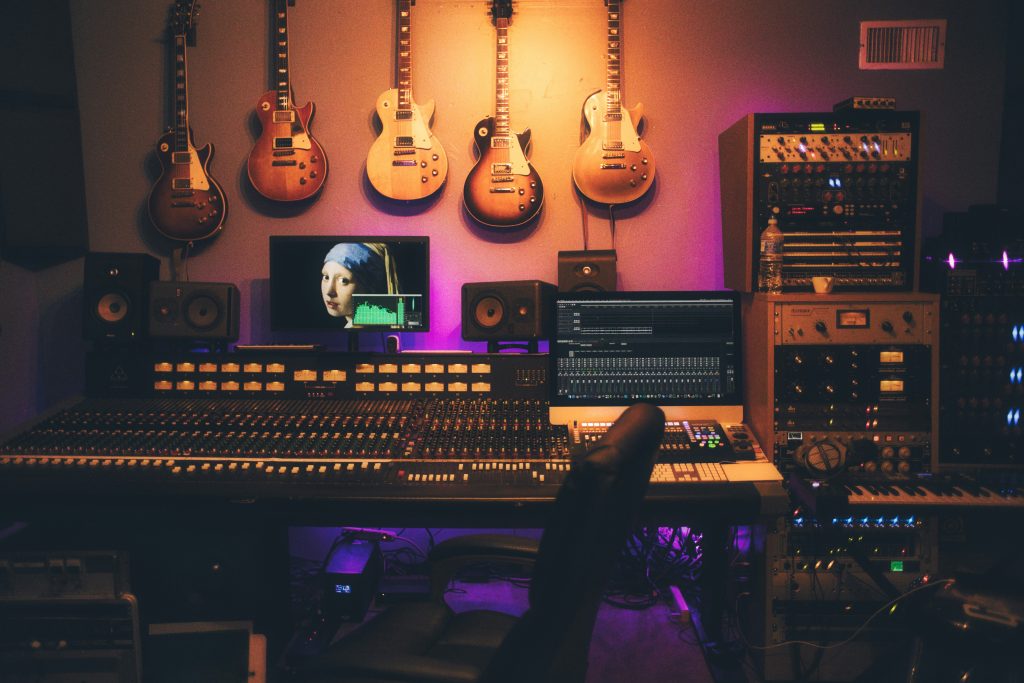
Don’t expect Vegas-style flash. Music Row works for a living. The magic happens behind closed doors in climate-controlled rooms where million-dollar decisions get made over bad coffee. That understated power is exactly why you should see it.
A Brief History of Music Row

Music Row’s story starts with two brothers and a Quonset hut. In 1954, Owen and Harold Bradley moved their recording studio into a converted house on 16th Avenue South. They were the first business on the block and changed the game for Nashville forever.
The Nashville Sound history really kicks off in 1957 when RCA builds Studio B. This shoebox-sized room would produce more hits than any reasonable person would expect. We’re talking about 35,000 songs recorded and 1,000 Top 10 hits created in this one space. Elvis alone cut over 200 tracks there.
The secret weapon was the sound itself. Producers like Owen Bradley and Chet Atkins stripped away the fiddles and steel guitars from traditional country. They added strings, backing vocals, and pop polish to create something new. Country music suddenly sounded smoother and more sophisticated. Radio stations outside the South started playing it, and money started flowing into Nashville.
RCA Studio B’s history reads like a who’s who of American music. Elvis, Dolly, Waylon, Willie, Roy Orbison, and The Everly Brothers all stood in that same room and sang into those same microphones. The building hasn’t changed much over the decades. The carpet remains the same. The piano sits in the same spot. Even the echo chamber in the hallway is original equipment.
Meanwhile, the Owen Bradley Quonset Hut was cranking out its own legends on the same street. That military surplus building looked like a storage shed, but sounded like heaven when you got inside. Patsy Cline recorded “Crazy” there in 1961. Brenda Lee belted out “I’m Sorry” in the same space. The building is gone now, but the site has a historical marker. Columbia Studio A stands there today, still making hits.
By the 1960s, Music Row had reached critical mass. Labels followed the studios to the neighborhood. Publishers followed the labels. Managers, lawyers, and session musicians filled in the gaps. What started as two brothers in a house became the epicenter of country music within a decade.
1950s: The Birth of the Nashville Sound
The 1950s set the template for everything that followed. Owen Bradley’s Quonset hut opened in 1954. RCA Studio B followed in 1957. These weren’t fancy rooms with gold records on the walls. Studio B was literally designed to be a demo room, not a hit factory. It didn’t matter what it was supposed to be. The sound was gold.
Chet Atkins becomes RCA’s Nashville chief and starts making decisions. He and Owen Bradley begin experimenting with the traditional country sound. Out go the hillbilly stereotypes that limited country music’s appeal. In comes sophistication and polish. They’re not making music for barn dances anymore. They’re making music for suburban living rooms across America. The strategy works. Country music finds a national audience for the first time.
1960s to 1980s: Golden Era Hits & Global Fame
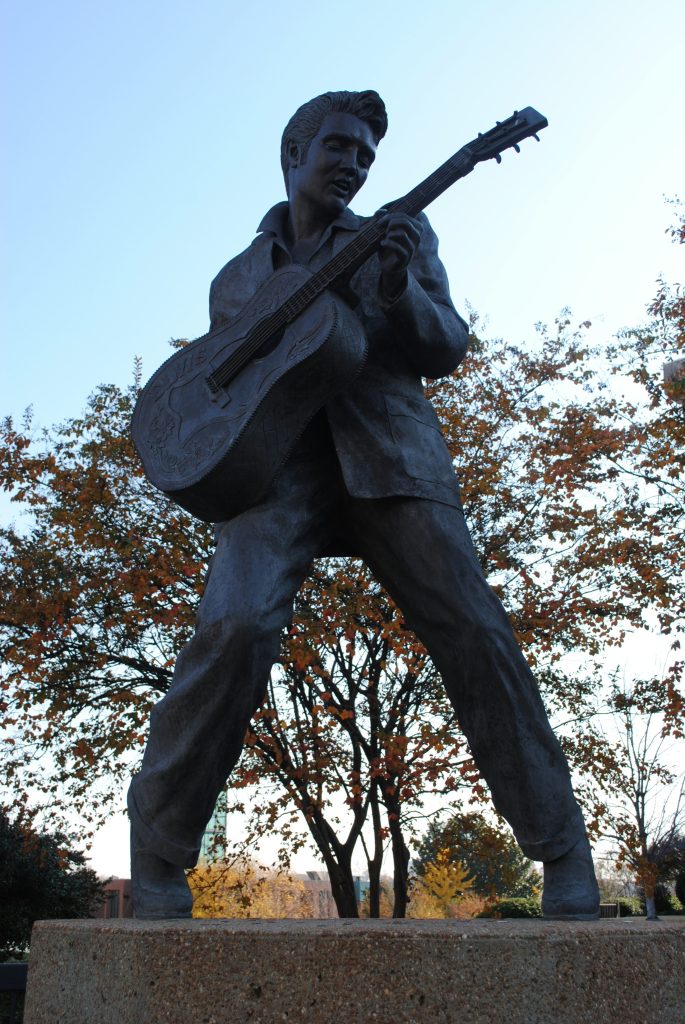
The 1960s through 1980s mark Music Row’s imperial phase, when the district dominated popular music. Elvis shows up in 1958 and basically moves in. Between 1958 and 1977, he recorded more at RCA Studio B than anywhere else in the world. “Are You Lonesome Tonight?” was cut there in 1960. The king of rock and roll was making country-pop magic in a concrete box.
The hits keep coming throughout these decades. Dolly Parton records “Jolene” at RCA in 1973. Willie Nelson cuts “On the Road Again.” Waylon Jennings practically lives in the studios. The Outlaw movement pushes back against the polished Nashville Sound, but guess what? They’re still recording on Music Row. Even the rebels need those rooms and that equipment.
1990s to Today: Preservation Battles & Modern Sessions
The 1990s brought serious challenges to Music Row. Digital recording means artists no longer need Music Row’s million-dollar studios. They can record quality tracks anywhere. Developers eye the valuable real estate with dollar signs in their eyes. Historic buildings start coming down. RCA Studio A was nearly demolished in 2014 before preservationists intervened at the last minute.
But Music Row adapts to survive. The big studios modernize with new equipment. Blackbird, Ocean Way Nashville, and others invest millions in state-of-the-art gear. The neighborhood might look the same from the outside, but inside those buildings, it’s all Pro Tools and plasma screens now. Taylor Swift records at Blackbird Studios. Jack White cuts albums at Third Man Records. The hits keep coming, just with different software and equipment.
Today’s preservation battles continue without end. The National Trust for Historic Preservation lists Music Row as endangered. Every year, another historic building faces the wrecking ball. But the music continues regardless. As long as Nashville makes hits, Music Row matters to the industry and the city.
Map & How to Get There Fast
Getting to Music Row is incredibly easy from anywhere in Nashville. From downtown, it’s a straight shot down Broadway, then hang a left on 16th Avenue. Five minutes by car. Ten minutes by Uber. That’s the entire journey.
How to get to Music Row from the airport: Take I-40 West to Exit 209A (Broadway). Head east on Broadway for half a mile. Turn left on 16th Avenue South. You’re there. Twenty minutes total if traffic’s moving at a reasonable pace.
The distance from downtown to Music Row is 1.5 miles. It’s walkable if you’re motivated and enjoy walking, but most people ride. From Broadway’s honky-tonks, it’s about a $10 Uber ride. From the Country Music Hall of Fame, it costs even less.
Music Row parking can be tricky during business hours. Street parking exists but fills fast on weekdays when everyone’s working. Best move: park at one of the paid lots on Division Street. Five dollars for two hours is the going rate. Or use the meters on side streets like 15th or 18th Avenues. Just remember, this is a working neighborhood. Don’t block driveways or you’ll get towed.
Here’s a valuable tip: Park once and walk the entire area. The whole district is only six blocks by four blocks total. You can see every major landmark on foot in 90 minutes or less.
Top Landmarks You Can Actually See
Most Music Row buildings are working offices where business happens daily. You can’t just walk in and look around. But there are legitimate landmarks worth seeing, and one killer tour that gets you inside actual history.
The RCA Studio B tour is the crown jewel of Music Row. The House of David has Elvis secrets. The Musica statue towers over Division Street. Each tells part of the Music Row story. Here’s what actually matters and what’s just a quick photo opportunity.
RCA Studio B Tour (Book It or Miss Out)
This is the one tour you absolutely book or regret forever. RCA Studio B isn’t just a museum with displays behind glass. It’s the actual studio where Elvis recorded “Are You Lonesome Tonight?” You stand where he stood decades ago. You can touch the piano he played. The experience is unreal.
The Country Music Hall of Fame runs the tours throughout the day. Shuttles leave from downtown every hour during operating hours. The guide plays actual recordings made in the room while you’re standing in it. Goosebumps are guaranteed for music fans. Book ahead online because walk-ups rarely get spots.
RCA Studio A: Street-View Only, Still Worth It
Right next door sits Studio A, which opened when Studio B got too busy. Bigger, newer, and still active today. This building looks like an old warehouse from the street. Zero curb appeal whatsoever. But inside? It’s a magic factory.
Dolly recorded here. So did Waylon, Willie, and basically everyone else who mattered. You can’t tour it because it’s still an active studio, but snap a photo anyway. That bland exterior hides more hits than you can count.
Quonset Hut / Columbia Studio: Where Patsy Cline Went Crazy
The original Bradley studio was literally a Quonset hut. It was a military surplus building turned hit factory. Patsy Cline recorded “Crazy” here in 1961. The original structure is gone now, but Columbia Studio A stands on the site today.
Look for the historical marker at 16th and Hawkins. Take a quick photo, then move on. The current building is still a working studio, so no tours are available. But you’re standing where country music’s DNA was coded.
House of David: Elvis’s Secret Door
This 1913 house-turned-studio has the wildest Music Row story you’ll hear. Owner David Briggs installed a secret tunnel and trapdoor so Elvis could record without fans knowing he was there. Elvis died before he could use it. The tunnel is still there today.
It’s a red brick house with white columns that looks like your grandmother’s place. But inside, everyone from Neil Young to The Dixie Chicks made records. Street view only, but worth the walk-by.
Owen Bradley Park: Selfie With the Piano Man
This tiny park offers a big tribute to the neighborhood’s founder. Owen Bradley gets a bronze statue sitting at a piano, captured mid-song. The man who invented the Nashville Sound is immortalized between office buildings.
The visit takes two minutes maximum. Get your photo with the statue, read the plaque explaining his importance, then move on. There are nice benches if you need a break from walking.
Musica Sculpture: 40-Foot Bronze Jam Session
You can’t miss this landmark. Nine bronze figures dance in a circle, standing 40 feet tall, right at the Music Row entrance. Some people love it. Some people think the naked statues are weird. Either way, it’s the unofficial Music Row monument.
The best photos come from the southeast corner of the intersection. Morning light hits the bronze perfectly. Every Nashville Instagram account has this shot somewhere in their feed.
DIY Walking Route: 90 Minutes, Zero Tickets Needed
Want to see Music Row without spending money on tours? Here’s your walking tour that hits everything important. Start at the Musica statue. End at RCA Studio B. Total time is 90 minutes if you hustle, two hours if you browse and take photos.
Start at the Musica statue at the intersection of Division and 17th Avenue. Get your photos with the sculpture, then head south on 17th Avenue.
Stop 1 brings you to RCA Studios A and B at 17th and Hawkins. Even if you’re not touring inside, check out the exteriors. Look for the Studio B guitar sign marking the building.
Stop 2 requires a westbound turn onto 16th Avenue. This is Music Row’s main drag. Sony, Warner, and Universal all have offices here. Look up at the buildings. Those second-floor windows hide million-dollar recording rooms.
Stop 3 is the Columbia Studio site at 16th and Hawkins. Take a quick photo of the Quonset Hut historical marker.
Stop 4 takes you to Owen Bradley Park at 16th and Division. Get your statue photo, take a bathroom break if needed, and use the water fountain.
Stop 5 completes the loop by walking back east on Division Street to your starting point.
This self-guided route keeps you on main streets with sidewalks throughout. You’ll pass dozens of labels, publishers, and studios along the way. Read the building plaques, as most have historical markers. The total distance covered is about 1.5 miles. Wear comfortable shoes.
Pro Tips: Booking, Parking, Best Times, Celebrity Odds

Here’s the inside track on making your Music Row visit smooth. Book the Studio B tour at least a week ahead of your visit. Two weeks ahead during the summer is even better. The morning tours are less crowded than the afternoon sessions.
The best time to visit Music Row is weekday mornings when you can see the district actually working. You’ll spot people heading to recording sessions, writers carrying guitars, and the real Nashville music business in action. Weekends are dead quiet with nobody around.
Weather matters for this visit. This is all outdoor walking, except for Studio B. Skip it in the rain. Spring and fall offer perfect conditions. Summer gets brutal by noon.
Want to see celebrities in Nashville? On Music Row, your odds are slim. This isn’t Broadway, where stars perform for fans. Stars come here to work, not party. They’re inside windowless studios, not strolling sidewalks for photo ops. Your best celebrity odds are actually at the coffee shops early in the morning. But don’t be that annoying person asking for selfies.
Parking hack that saves hassle: The Marriott on Division has a garage. You geta three-hour validation with any purchase at their Starbucks. This is way easier than hunting for street parking.
Myths & FAQs: Setting Expectations
Let’s kill some myths about Music Row. The first question everyone asks is: Can I tour other studios besides Studio B? No, you cannot. Studio B is the only one available. Everything else is active workspace where people are trying to work. You wouldn’t tour someone’s office while they’re in the middle of a meeting.
Is Music Row worth visiting? The answer depends on who you are. Music history nerds will absolutely love it. Instagram tourists might not find enough to photograph. This isn’t a theme park with attractions. It’s a working neighborhood with historical significance. Adjust your expectations accordingly.
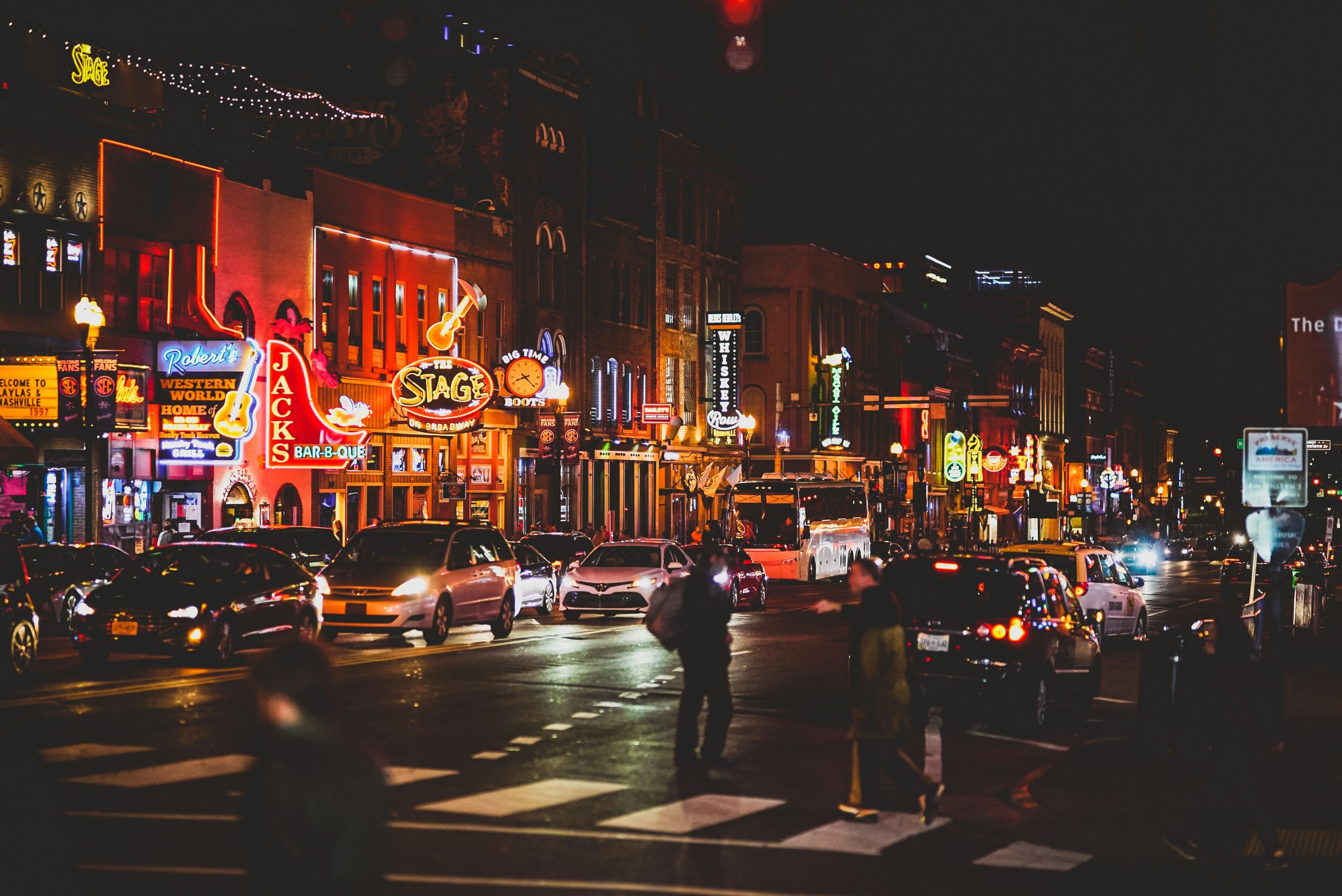
Music Row versus Broadway represents night and day differences. Broadway is the party with live music and drinks. Music Row is the hangover and the paycheck that pays for it all. Broadway has live music, drinks, and neon everywhere. Music Row has conference rooms and parking meters. Both matter to Nashville, but they serve completely different purposes.
The tour FAQ always includes this question: “How long do I need?” The answer is 2 to 3 hours total for a complete visit. One hour if you’re just walking and photographing landmarks. Add 90 minutes for the Studio B tour. That’s enough to get the full experience without overdoing it.
Will you hear music on Music Row? Rarely, if ever. Studios are completely soundproofed. You might catch someone loading gear or warming up in a parking lot, but don’t count on it. The music happens behind closed doors.
Where to Eat & Stay Near Music Row
Music Row itself has limited food options. It’s offices, not restaurants. But walk five minutes in any direction and you’re golden with choices. Here are the best restaurants and hotels near Music Row.
The Edgehill dining scene just east of Music Row brings excellent food. You’ll find local joints, not tourist traps. This is real Nashville eating.
Coffee & Quick Bites
Dose Coffee at 1600 Division sits literally across from the Musica statue. They serve excellent flat whites and decent breakfast sandwiches. This is where music industry types actually caffeinate before work.
Portland Brew at 1921 Belmont Boulevard is a five-minute walk from Music Row. They have better food than Dose with a funkier vibe. Get the breakfast burrito.
Fido in Hillsboro Village has been a local institution since 1996. It gets packed on weekends but remains worth the wait. This is the best people-watching spot near Music Row.
Lunch & Dinner Moves
Tavern at 1904 Broadway offers upscale dining that isn’t stuffy. This is where record executives take clients for meetings. Get the hot chicken salad and thank me later.
Edgehill Cafe at Villa Place and Edgehill is a neighborhood gem. Cash only, massive portions, zero tourists in sight. The burger is legendary among locals.
Sunset Grill in Hillsboro Village is perfect if you want to treat yourself after touring. Upscale atmosphere, excellent wine list, and live music on some nights. Make a reservation in advance.
McDougal’s Chicken at 2115 Belmont serves Nashville hot chicken without the tourist markup. Medium heat is plenty hot for most people. They serve large portions.
For quick eats, there’s a Subway at 1812 Division and various fast-casual spots along 21st Avenue. But you came to Nashville, so you should eat like it.
Hotels You Can Walk From
Kimpton Aertson at 2021 Broadway is modern with a great pool and sits just a five-minute walk to Music Row. The rooftop bar has killer views of the city.
Hutton Hotel at 1808 West End is where actual musicians stay when recording. It’s four blocks from Music Row. The lobby scene alone is worth the room price.
Holiday Inn Vanderbilt is a budget option that doesn’t feel budget. Clean, comfortable rooms, and a 10-minute walk to Music Row.
Union Station Hotel is a stunning historic property. It’s technically downtown but just a quick Uber to Music Row. Book here if you want Instagram-worthy accommodations.
Pair It With: Perfect 1-Day Nashville Music Itinerary
Here’s your one-day itinerary that nails the complete music experience. Start early, hit everything important, and still make dinner.
- 9 AM: Country Music Hall of Fame opens its doors. Start here and plan for at least two hours to see everything.
- 11 AM: Studio B tour departs from the Hall of Fame. You pre-booked this, right? The tour takes an hour and a half, with transport time.
- 1 PM: Lunch at Edgehill Cafe. Quick service, local atmosphere, delicious food.
- 2 PM: Self-guided Music Row walk. Hit all the landmarks I listed above at your own pace.
- 4 PM: Ryman Auditorium tour downtown. The “Mother Church” is where Music Row songs come alive on stage.
- 6 PM: Early dinner on Broadway. Yes, it’s touristy, but you should do it anyway.
- 8 PM: Grand Ole Opry show if it’s Tuesday, Friday, or Saturday. Otherwise, hit the Broadway honky-tonks for live music.
This itinerary connects all the dots in Nashville’s music story. You see where songs are written (Music Row), recorded (Studio B), showcased (Ryman), and performed (Opry or Broadway). That’s the full Nashville music experience packed into one day.
Why Music Row Still Matters to Nashville’s Economy
Let’s talk about the money Music Row generates. This compact neighborhood generates billions annually. That’s billions with a B.
Over 200 businesses operate here currently. They employ thousands of people. Not just musicians, either. Lawyers, accountants, marketing teams, and tech support all work here. Every hit song needs an army of professionals behind it. Music Row houses that entire army.
The Nashville creative economy depends on this ecosystem functioning. When Music Row thrives, Nashville thrives. Property values, tourism, city reputation, it all connects back to these few blocks. A hit song recorded on Music Row brings tourists to Broadway, fills hotels, and sells hot chicken. The economic ripple effect is massive.
But it’s not just about money. Music Row maintains Nashville’s authenticity as a music city. Without it, Nashville becomes Vegas with worse weather. The working studios keep the city honest. Real musicians making real music, not just cover bands playing for tips on the street.
Preservation Challenges & How You Can Help
Here’s the harsh reality: Music Row is under constant threat. Developers see dollar signs, not history when they look at this land. The National Trust for Historic Preservation listed it as endangered. Every year, another piece of history faces demolition.
Saving Music Row isn’t just a catchy slogan. It’s genuinely necessary. RCA Studio A almost became condos in 2014. Ben Folds led the charge to save it at the last minute. But not every building gets a celebrity savior to fight for it.
The challenge is that historic studios don’t look historic from the outside. They’re plain buildings that are easy to dismiss if you don’t know the history. That’s why education matters so much. Every visitor who understands Music Row’s importance becomes an advocate.
How to help: Visit the area. Take the tours. Share the stories on social media. Support the businesses still operating there. Follow preservation accounts for updates. Small actions add up over time.
When you book Studio B tours or buy coffee on Music Row, you’re voting with your wallet. You’re saying this history matters to you. In a city changing as fast as Nashville, that vote counts.
Ready to Visit Music Row
Plan your Music Row visit and experience where Nashville’s biggest hits are born.
Ready to explore Music Row and the rest of Nashville? Head over to Travly.com to find the best hotel deals near Music Row, compare prices across all major booking sites, and lock in your perfect Nashville accommodation. Whether you’re staying in Midtown near the studios, downtown near the honky-tonks, or in the Gulch, Travly helps you find the best rates without the hassle. Book your Nashville hotel today and get ready to walk where music legends recorded their greatest hits.