I’ve stayed in every corner of this city. Here’s where you actually want to sleep.
After 200+ nights across Tokyo’s luxury hotels, I’ve learned three non-negotiable truths about booking in this city:
- Location beats everything. Being 5 minutes from a major JR station changes your entire trip.
- Book 3 to 6 months ahead for cherry blossom season (late March), or pay double.
- Room sizes shock Americans. A “deluxe” room here is equivalent to a standard room in Dallas.
I spent a decade figuring out Tokyo’s luxury hotel scene through trial, error, and one memorable night when I booked a “5-star” property that turned out to be a love hotel with mirrors on the ceiling. Now I run a travel consultancy focused on Japan, and these are the only eight properties I recommend to clients who want the real Tokyo luxury and travel experience, not the tourist trap version.
Park Hyatt Tokyo: Shinjuku’s Iconic Sky-High Elegance
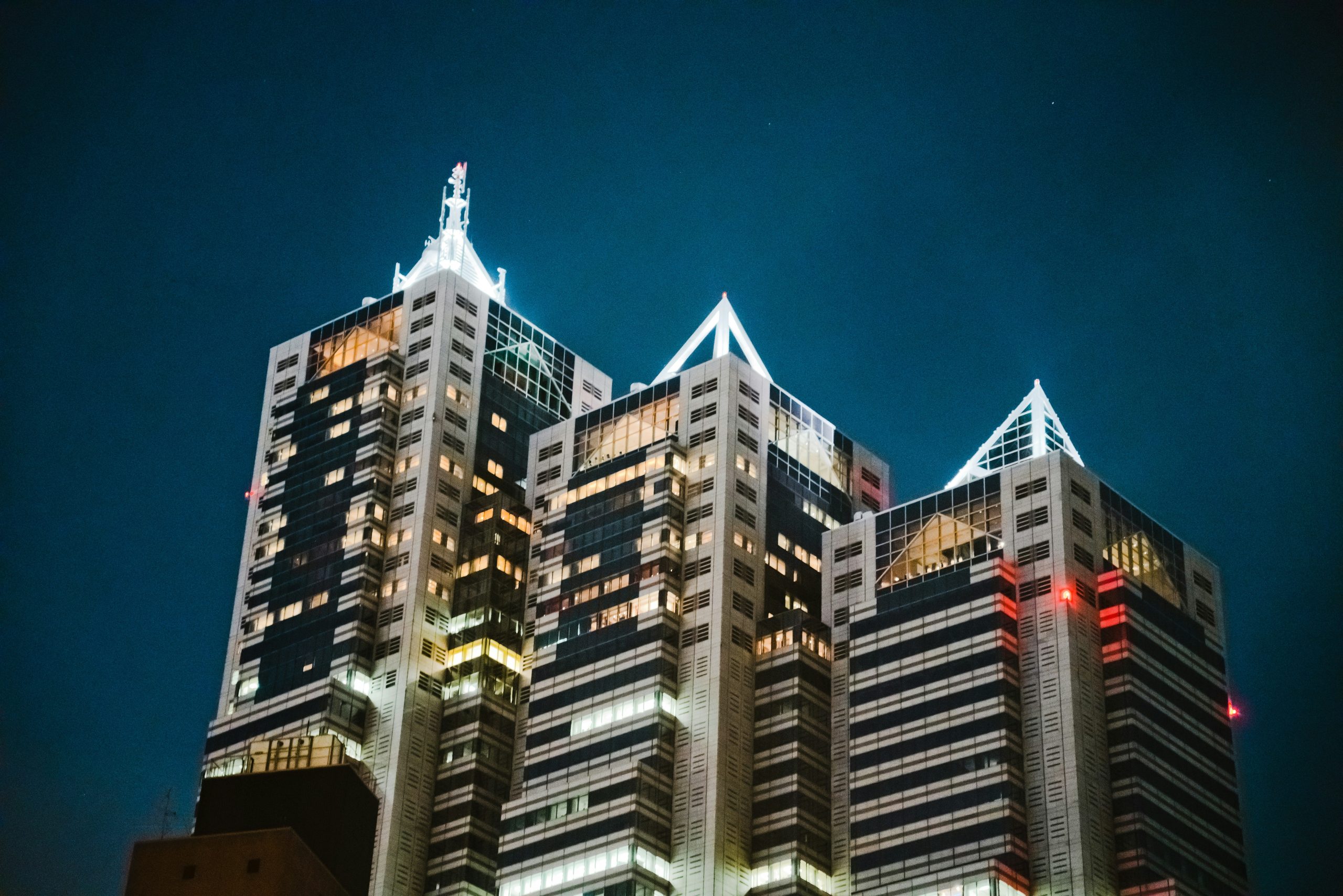
The Park Hyatt Tokyo occupies floors 39-52 of Shinjuku Park Tower, creating a serene sanctuary above the chaos. Yes, this is the Lost in Translation hotel, and no, the hype hasn’t ruined it. The location strikes a perfect balance: you’re in Shinjuku but on the quieter west side, about a 12-minute walk from JR Shinjuku Station. The hotel runs a free shuttle every 30 minutes to the station, which connects you to the Narita Express and essentially everywhere in Tokyo.
Room sizes run modest by American standards. Standard rooms measure 45 square meters (about 485 square feet). But what you lose in space, you gain in views. Every room faces outward with floor-to-ceiling windows. On clear days, Mount Fuji appears like a meditation focal point. I always advise clients to book a Park View room on the west side. The minimal price difference delivers maximum Fuji viewing opportunities at sunrise.
The New York Grill on the 52nd floor serves Tokyo’s best hotel breakfast, and I’ve tried them all. Their weekend jazz brunch includes champagne and access to their legendary buffet. Skip dinner here unless you’re celebrating something major, as mains are premium-priced. Instead, hit the Peak Lounge for afternoon tea with those same skyline views at half the price.
This hotel fits three types perfectly: first-time Tokyo visitors who want that iconic experience, couples seeking romance with a view, and breakfast obsessives who understand that starting your day 200 meters above Tokyo changes everything. Business travelers should note: despite the shuttle, you’re still 20+ minutes from Tokyo Station.
Pro tip: The concierge here maintains relationships with Tsukiji market vendors. Ask them to book you a 5 a.m. sushi breakfast at the market. They’ll arrange the car service and even have someone meet you there to translate.
The Peninsula Tokyo: Ginza’s Imperial Modern Classic
The Peninsula commands a corner in Yurakucho, putting you 5 minutes from both Ginza shopping and the Imperial Palace. This 24-story tower opened in 2007 and still feels like Tokyo’s most polished luxury property. Unlike hotels buried in office towers, the Peninsula stands alone, which means natural light floods every corridor, and your room won’t face another building 10 feet away.
The 314 rooms start at a respectable 54 square meters, with Palace-view rooms commanding a premium that’s absolutely worth it. The technology integration remains best-in-class: bedside panels control everything from curtains to climate in multiple languages. Even the bathroom mirrors have embedded TVs, gimmicky but genuinely useful for catching NHK news while shaving.
Their cultural programming sets them apart. The Peninsula offers private geisha dinners in your suite, a significant investment including a multicourse kaiseki meal, sake pairings, and traditional entertainment. It’s steep, but this is the only luxury hotel offering authentic geiko (not tourist “geisha”) experiences. The Japanese breakfast, curated by their Michelin-starred chef, features 15 small dishes that change with the seasons.
This property suits business executives who need proximity to Tokyo Station, mature couples who appreciate understated elegance, and shopping enthusiasts who want to hit Ginza’s flagship stores before the crowds. The Peninsula sits directly above Hibiya Station, connecting you to three subway lines.
Pro tip: Book their Rolls-Royce airport transfer. Yes, it’s significantly more than the taxi fare, but after a 14-hour flight, gliding into Tokyo in a Rolls while your driver handles your luggage earns every yen.
The Ritz-Carlton, Tokyo: Roppongi’s Sky-High Sanctuary

Occupying floors 45-53 of Tokyo Midtown Tower, The Ritz-Carlton delivers Tokyo’s most convenient luxury experience. You exit directly from Roppongi Station into the building, no umbrella needed. The Roppongi location puts you in Tokyo’s art district, with the Mori Art Museum and National Art Center within walking distance.
The 245 rooms blend Kyoto-influenced design with Western comfort. Standard rooms measure 52 square meters, but the real decision is whether to get club-level access. For a premium per night, you get five food presentations daily on the 53rd floor with panoramic views. The math works if you’d otherwise eat breakfast and have evening drinks in the hotel.
Dining here ranks among Tokyo’s best hotel restaurants. Hinokizaka serves exquisite kaiseki that earned a Michelin star. The French restaurant Heritage offers a more Western experience with equally impressive views. Skip the Italian restaurant unless you have kids who won’t eat Japanese food.
The Ritz excels at family programming. Their kids’ club runs daily activities from origami to cookie decorating, and the pool area includes a shallow section for children. The 46th-floor spa features both Western treatments and Japanese-style baths with city views.
Pro tip: Book their Ikebana (flower arranging) class immediately upon reservation. They only run it twice a week, with a maximum of 6 spots, and it fills months in advance.
Aman Tokyo: Ōtemachi’s Serene Sky Ryokan
Aman Tokyo occupies floors 33-38 of Otemachi Tower, creating an urban ryokan suspended above the financial district. This isn’t just marketing. They’ve genuinely captured the ryokan spirit with massive rooms (starting at 71 square meters), sliding shoji screens, and deep stone soaking tubs positioned for skyline meditation.
The design philosophy centers on Japanese minimalism meeting modern luxury. Your room feels more like a private apartment, with separate living areas, enormous bathrooms, and that signature Aman serenity. The iconic stone bathtubs, carved from single blocks of stone, sit beside floor-to-ceiling windows. Fill it with hot water at sunset and watch Tokyo transform into Blade Runner while you soak.
The spa represents Tokyo’s pinnacle wellness experience. Beyond seven treatment rooms, they’ve created a traditional sento-style bathing area with gender-separated hot pools and cold plunges. Access is complimentary for guests. The 30-meter pool on the same floor features underwater music and views over the Imperial Palace.
Aman Tokyo fits wellness-focused travelers, honeymooners seeking seclusion, and CEOs who need sanctuary between meetings. The location directly above Otemachi Station connects you to five subway lines, making it paradoxically both isolated and connected.
Pro tip: Their complimentary sunrise yoga sessions start at 6:30 a.m. on the 33rd floor. Set that alarm. Watching the sun rise over Tokyo Bay while holding warrior pose is worth the early wake-up.
Cerulean Tower Tokyu Hotel: Shibuya’s Contemporary Oasis

Rising above Shibuya’s madness, Cerulean Tower delivers surprising value in luxury. You’re a 5-minute walk from Shibuya Scramble Crossing, yet the hotel maintains absolute tranquility. The property occupies floors 19-37 of its namesake tower, with rooms starting at an impressive size, large by Tokyo standards.
Here’s where Cerulean shines: room size versus price. Their corner suites are generously sized and cost what standard rooms do at the Park Hyatt. Executive floor access includes a private lounge with Mount Fuji views and all-day refreshments that rival any luxury property in town.
The amenities read like a luxury hotel’s greatest hits album: Noh theater in the building (the only hotel in Tokyo with one), jazz club in the lobby, multiple restaurants, including a sake sommelier experience, and a proper kids’ activity room, rare in Tokyo luxury hotels. The pool and fitness center on the 36th floor offer equipment and views that shame most international chains.
Cerulean works for families needing space, fashion industry folks wanting Shibuya access, and value-conscious luxury travelers who understand that paying Peninsula prices isn’t always necessary.
Pro tip: Request a west-facing corner room above the 30th floor. You’ll get Mount Fuji views at sunset that rival any hotel in Tokyo, at a fraction of the competitor’s price.
Other Elite Options You Should Know
Bvlgari Hotel Tokyo (opened April 2023) immediately claimed the title of Tokyo’s flashiest new luxury property. Occupying floors 40-45 of Tokyo Midtown Yaesu, it channels Italian glamour through a Japanese lens. The signature suite spans 400 square meters, Tokyo’s largest. Three restaurants include a Michelin-starred Italian and an 8-seat sushi counter. The spa spans 1,000 square meters and features a 25-meter pool. Book this for maximum Instagram impact.
Mandarin Oriental, Tokyo sits atop Nihonbashi, offering supreme convenience to Tokyo Station (a 5-minute taxi ride). Their sushi chef delivers an exceptional omakase experience. The spa features one of Tokyo’s largest hotel pools. Business travelers love the location; couples appreciate the sky-high dining options.
Palace Hotel Tokyo literally faces the Imperial Palace, with many rooms offering balconies overlooking the gardens, a rarity in Tokyo. The recent renovation maintained its mid-century elegance while adding modern touches. Their Japanese restaurant holds two Michelin stars. Perfect for travelers who want to jog the Imperial Palace loop at dawn.
Hotel Okura Tokyo reopened in 2019 after a complete rebuild, maintaining its position as Tokyo’s most traditionally Japanese luxury hotel. The lobby’s hexagonal tables and paper lanterns represent mid-century Japanese design at its finest. Their kaiseki restaurant earned two Michelin stars. Choose this for cultural immersion.
Conrad Tokyo towers over Shiodome, with rooms facing either Tokyo Bay or the cityscape. The 37th-floor China Blue restaurant serves modern Chinese cuisine with views that rival the food. Direct access to the Yurikamome Line makes Odaiba’s attractions easily accessible. Best for bay views and easy airport access.
Match the Hotel to Your Travel Style
First-time visitors to Tokyo should prioritize iconic views and experiences. Park Hyatt delivers the Lost in Translation fantasy, while The Ritz-Carlton offers supreme convenience in Roppongi. Both provide English-speaking concierges who excel at restaurant reservations and cultural bookings.
Business travelers need proximity to meetings and trains. The Peninsula (5 minutes to Tokyo Station), Mandarin Oriental (directly above Nihonbashi), and Palace Hotel (taxi distance to Marunouchi) minimize commute times. All three offer executive lounges for informal meetings.
Couples seeking romance want atmosphere and privacy. Aman Tokyo’s massive soaking tubs and minimalist design create a sense of intimacy. Bvlgari’s rooftop bar delivers proposal-worthy sunset views. Both properties understand how to disappear when you need solitude.
Families with children require space and amenities. Cerulean Tower offers Tokyo’s best value for room size, plus kids’ facilities. The Ritz-Carlton runs the most comprehensive children’s program. Both connect easily to kid-friendly attractions.
Quick Decision Matrix
- Best views: Park Hyatt (Fuji) or Ritz-Carlton (360° city)
- Best location: Peninsula (Ginza/Palace) or Aman (5 subway lines)
- Best value: Cerulean Tower (space per yen)
- Best wellness: Aman Tokyo (spa/pool/baths)
- Best dining: Mandarin Oriental (sushi master) or Palace (2-star kaiseki)
Tokyo Luxury Travel Tips & Seasonal Pricing Hacks

Tokyo hotel rates fluctuate more dramatically than any major city I know. Cherry blossom season (late March to early April) sees rates double or triple. Golden Week (late April to early May) brings similar spikes. Book these periods 6 months ahead or accept the premium.
Shoulder season delivers incredible value. Late January through February (excluding Chinese New Year) sees significant discounts at most properties. Early September offers similar savings with perfect weather.
Airport strategy matters. Haneda Airport sits 30 minutes closer to central Tokyo than Narita. If you can route through Haneda, do it. From Narita, the Narita Express takes 60-90 minutes to major stations. Budget for airport transfers accordingly. Most hotel car services charge premium rates.
Language concerns prove overblown at luxury properties. Every hotel on this list staffs multilingual concierges 24/7. They’ll call restaurants, write directions in Japanese for taxi drivers, and explain cultural nuances. Don’t let language fears influence your hotel choice.
Pro tip: Book directly with hotels and email the concierge immediately after. Mention any celebrations, dietary restrictions, or specific requests. Japanese hospitality culture means they’ll note everything and often upgrade you or add amenities. I’ve received room upgrades 70% of the time just by emailing a friendly introduction two weeks before arrival.
Booking Like a Pro
Start with price tracking 6 months out. Set alerts on both the hotel website and major booking platforms. Rates typically drop around 3 months before arrival (except peak seasons), then spike again at 2-3 weeks out. The sweet spot for booking is 60-90 days ahead.
Flexible versus prepaid rates require math. Prepaid saves substantially, but locks you in. For multi-night stays, prepaying can offer significant savings if your dates are firm. Business travelers should always book flexible rates; leisure travelers with fixed plans should prepay.
Hidden perks change the value equation. American Express Fine Hotels & Resorts includes daily breakfast, room upgrades, and hotel credits. Virtuoso offers similar benefits. These programs effectively discount rates substantially when you factor in the inclusions. Many Japanese travel agencies bundle hotels with rail passes for additional savings.
Always email the hotel directly after booking through any channel. Introduce yourself, mention your confirmation number, and ask about:
- Potential room upgrades
- Airport transfer options
- Restaurant reservations they recommend
- Any seasonal events during your stay
This single email generates more upgrades and perks than any loyalty status.
Ready to Book Your Tokyo Luxury Experience?
Tokyo’s luxury hotels deliver experiences you literally can’t find anywhere else, from bathing 200 meters above the city to private geisha performances in your suite. Choose based on your priorities, book during shoulder season when possible, and always engage the concierge early.
Whether you’re debating between the Aman and Peninsula or wondering if the Cerulean Tower really delivers luxury at that price point, these eight properties represent the pinnacle of Tokyo hospitality.
Ready to start planning? Visit Travly.com to explore booking options, compare rates across seasons, and access exclusive perks that can elevate your Tokyo luxury hotel experience even further.
FAQ: Quick Answers Before You Click “Reserve”
Do I tip at luxury hotels in Japan? No. Service charges are included, and tipping can cause confusion or embarrassment. The one exception: if someone goes extraordinarily above and beyond, place cash in an envelope with a thank-you note.
What are check-in and check-out times? Standard check-in is 3 p.m., checkout 12 p.m. Most luxury hotels offer flexible times for loyalty members or direct bookings. Early check-in usually incurs no charge if rooms are available; late checkout may incur fees for an extra half day.
Is there a dress code for hotel restaurants? Michelin-starred restaurants require smart casual minimum: collared shirts for men, no athletic wear. Some traditional kaiseki restaurants request no strong perfumes. When in doubt, ask the concierge.
What’s the smoking situation? Most luxury hotels offer smoking rooms on designated floors. If smoke sensitivity is an issue, request a room on a non-smoking floor, not just a non-smoking room. The Peninsula and Aman Tokyo are entirely smoke-free.
Will my electronics work? Japan uses 100V electricity with Type A/B plugs (same as the US but lower voltage). Most hotels provide adapters, but bring your own for multiple devices. Phone chargers and laptops work fine; hair dryers might run slower.