Alright, let’s get straight to it! Tokyo is a sprawling metropolis with 23 wards, each feeling like its own city. This means picking the perfect spot to stay isn’t just a detail; it’s the key to a fantastic trip! Get it wrong, and you’re stuck on trains, wasting precious time and money. Get it right, and you’re saving both, plus experiencing Tokyo at its absolute best!
Don’t be that traveler who books a hotel based only on price and ends up an hour from the action, or splurges on luxury in a boring business district when what you really crave is vibrant nightlife and epic street food. Your choice of district shapes your entire Tokyo adventure, from your morning coffee kick to those unforgettable late-night escapades. Let’s make sure you nail it!
Here’s my quick-reference guide for the best area to stay in Tokyo based on your priorities:
- First-time visitors: Shinjuku (major transport hub, endless entertainment)
- Nightlife seekers: Shinjuku or Roppongi (24/7 action, international scene)
- Luxury travelers: Ginza or Marunouchi (upscale shopping, premium hotels)
- Budget-conscious: Asakusa or Ueno (hostels, traditional atmosphere)
- Fashion/youth culture: Shibuya or Harajuku (trendy shops, cafes)
- Business travelers: Tokyo Station/Marunouchi (Shinkansen access, business hotels)
- Families: Ueno or Odaiba (parks, museums, kid-friendly attractions)
How to Choose Your Base in Tokyo
Before diving into specific Tokyo neighborhoods and creating a personal Tokyo travel guide, let’s talk strategy. Tokyo’s transit system can either be your best friend or worst enemy, depending on where you stay. The key is understanding how the city’s rail network shapes your daily routine.
When choosing your accommodation, keep in mind that room sizes, amenities, and hotel quality may differ from typical Tokyo standards. Rooms can be smaller, and amenities can be more compact than you might expect elsewhere. Setting your expectations according to Tokyo standards will help you find the best fit for your needs and avoid surprises.
The Yamanote Line: Your Lifeline
The JR Yamanote Line (also known as the Tokyo Loop Line) is Tokyo’s circular railway connecting major districts. Think of it as a giant loop with all the important stations as pearls on a necklace. When searching for Yamanote Line hotels, prioritize locations within a five-minute walk of these stations. You’ll save countless hours and avoid complex transfers.
Matching District Vibes to Your Travel Style
Each district has its own personality. Party animals won’t enjoy sleepy residential areas, while families with young kids should avoid the red-light districts. Consider your daily rhythm: Do you want convenience stores and restaurants open 24/7? Or prefer quiet streets for good sleep? If you value peace and relaxation, consider staying in a quiet neighborhood for a more restful and authentic experience. Your Tokyo itinerary should align with your accommodation and activities.
Traditional Japanese Accommodation: Ryokan and Beyond
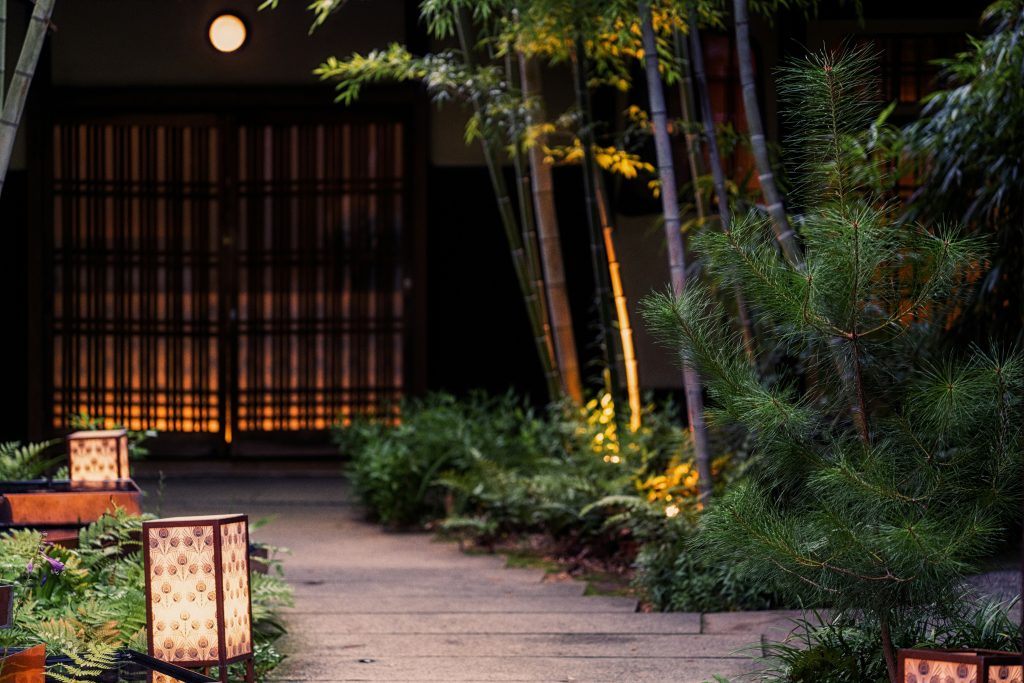
For travelers seeking a deeper connection to Japanese culture, staying in a traditional ryokan offers an unforgettable Tokyo experience. These historic inns provide a serene escape, blending centuries-old hospitality with modern comforts.
What is a Ryokan?
A ryokan is a classic Japanese inn, renowned for its tranquil ambiance and attention to detail. Guests enjoy rooms with tatami-mat flooring, futon beds, and shoji doors, often overlooking peaceful gardens. Many Tokyo ryokans serve exquisite kaiseki dinners in-room. The atmosphere is designed for relaxation.
Best Ryokan Experiences in Tokyo
While Kyoto is the spiritual home of the ryokan, Tokyo has its own gems. Hoshinoya Tokyo reimagines the ryokan with luxurious touches and modern amenities. Ryokan Asakusa Shigetsu offers a classic experience near Senso-ji Temple. Both provide convenient access to major train stations.
Tips for Booking Traditional Stays
When choosing a ryokan, consider its location and proximity to train stations. Some are tucked away, offering a local experience. Consider ryokan-style capsule hotels for budget travelers. Always check if your room includes a private bathroom or if facilities are shared, and review guest policies.
Shinjuku: Transport Hub and Neon Nightlife
Shinjuku hits you like a shot of espresso. The world’s busiest railway station (certified by Guinness) processes millions of passengers daily. Shinjuku train station serves as a central hub for transportation and connectivity in Tokyo, offering easy access to popular districts and attractions. But beyond the statistics, Shinjuku hotels put you at the epicenter of Tokyo’s energy.
Why Stay in Shinjuku
Location, location, location. Shinjuku offers a convenient location for exploring Tokyo, with easy access to major attractions and transportation hubs. From Shinjuku Station, you can reach virtually anywhere in Tokyo within 30 minutes. The Narita Express Shinjuku connection means direct airport access. Major attractions like Meiji Shrine (5 minutes), Harajuku (10 minutes), and even Tokyo Disney (40 minutes) are easily accessible. Plus, the district never sleeps – convenience stores, restaurants, and entertainment run 24/7.
East vs. West Shinjuku
East Shinjuku pulsates with Kabukicho nightlife, think neon signs, robot restaurants, and tiny bars. It’s grittier but more exciting. West Shinjuku feels like Manhattan with its skyscrapers and business hotels. The Tokyo Metropolitan Government Building stands out here for its modern architecture and free observation decks offering panoramic city views.
Hotel Recommendations
Budget: Capsule hotels in Kabukicho (¥3,000-4,000/night)
Mid-range: JR Kyushu Hotel Blossom Shinjuku (¥12,000-18,000/night) – Offers both double rooms and twin rooms, making it suitable for solo travelers, couples, or friends. Double rooms feature comfortable beds and modern amenities, while twin rooms offer spacious layouts with self-contained conveniences such as kitchenettes and washers/dryers, ideal for both short- and long-term stays.
Luxury: Park Hyatt Tokyo (¥50,000+/night) – yes, the “Lost in Translation” hotel. The hotel provides a selection of double rooms and twin rooms, each designed for maximum comfort and privacy. Double rooms are perfect for couples seeking luxury, while twin rooms offer ample space and high-end amenities, catering to families or friends traveling together.
Pros and Cons
Pros: Unbeatable transport connections, proximity to JR Shinjuku Station (a major transportation hub), endless dining/entertainment, and airport express access
Cons: Overwhelming for some, crowded stations, and higher prices
For the best place to stay, Shinjuku is the best choice. Book hotels on the west side if you prefer quiet nights, or embrace the chaos with east-side accommodation near the action.
Shibuya and Harajuku: Youth Culture Epicenter
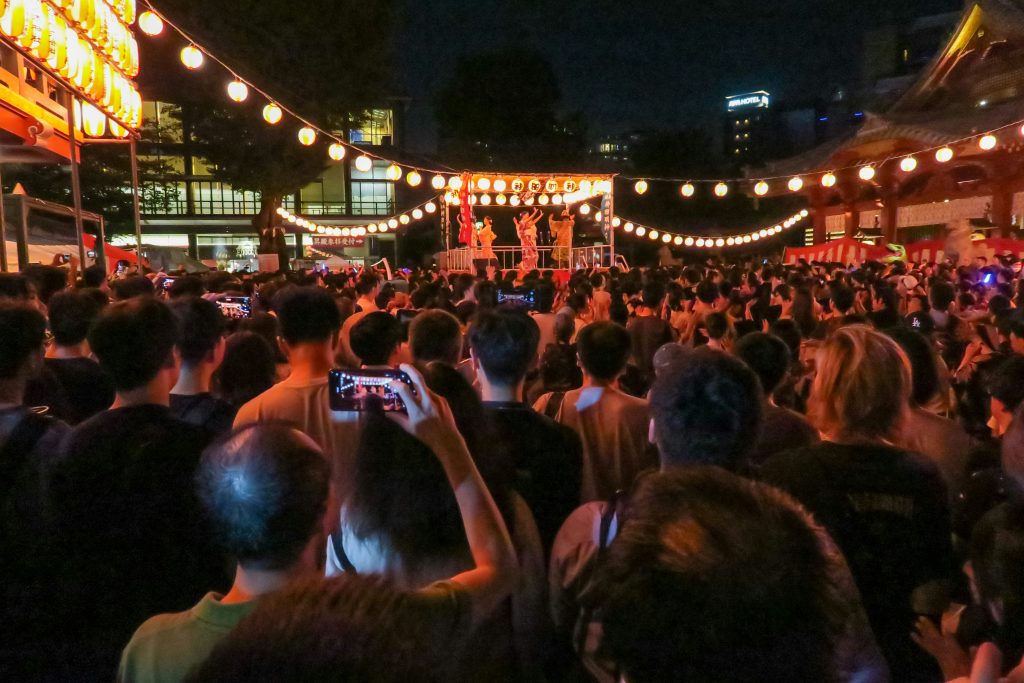
If Shinjuku is Tokyo’s brain, Shibuya is its beating heart. Home to the famous Shibuya crossing (a must-see landmark and iconic attraction known as the world’s busiest pedestrian intersection), Shibuya accommodation places you in Tokyo’s trend-setting district.
The Shibuya Experience
Shibuya Station anchors a district that’s simultaneously chaotic and organized. As one of Tokyo’s busiest transport hubs, Shibuya train station boasts a central location, making it a key landmark for travelers seeking easy access to shopping, dining, and entertainment throughout the city. The newly renovated station complex includes the Shibuya Sky observation deck, offering 360-degree views of the city. Street level buzzes with fashion boutiques, record stores, and cafes that spawn global trends.
Hotel Clusters
Hotels concentrate in three areas: directly above/adjacent to the station (Shibuya Stream, Shibuya Excel Hotel Tokyu), the quieter Dogenzaka slope, and the more residential Tomigaya area. Each offers different advantages: station hotels for convenience and a great location with easy access to major attractions, Dogenzaka for nightlife proximity, and Tomigaya for a local neighborhood feel.
Daytime vs. Nighttime Vibes
By day, Shibuya attracts shoppers and cafe-hoppers. Staying here puts you close to Tokyo’s major attractions, making it an ideal base for exploring the city’s key sights and activities. After dark, it transforms into Shibuya nightlife central with clubs, bars, and late-night restaurants. The energy shifts but never stops.
Nearby Harajuku and Omotesando
One station away (or a 15-minute walk), Harajuku offers a different flavor of youth culture. Takeshita Street’s kawaii culture and Omotesando’s high-end boutiques provide perfect day-trip options from your Shibuya base. Harajuku hotels tend to be smaller and quieter than those in Shibuya. Choosing a hotel with a convenient location between Harajuku and Omotesando can make it much easier to explore both areas on foot and maximize your time in Tokyo.
The Tokyo fashion district stretches between these stations, making this area ideal for style-conscious travelers who want to shop where trends begin, not where they end up.
Ginza: Luxury, Dining and Bullet-Train Convenience
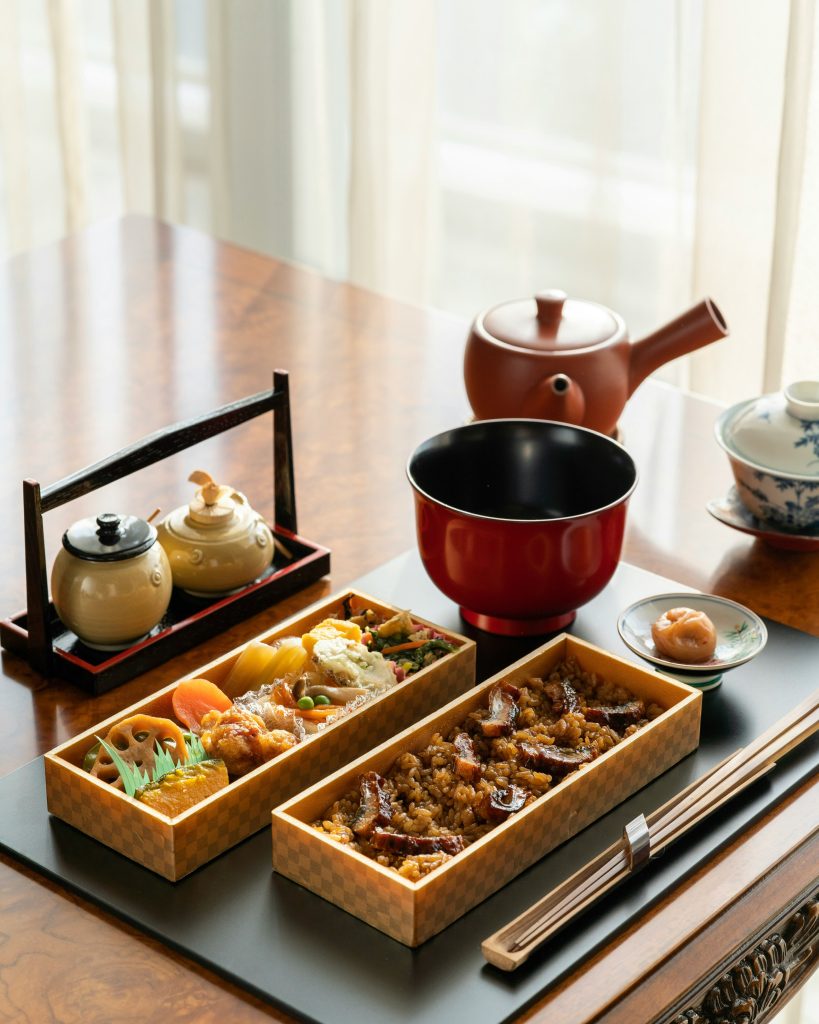
Ginza embodies Tokyo’s sophisticated side. Think Fifth Avenue meets Rodeo Drive with a Japanese twist. Renowned for its fine dining scene, Ginza offers exclusive culinary experiences at Michelin-starred restaurants and high-end establishments. Ginza hotels cater to travelers who appreciate the finer things, from Michelin-starred dining to flagship luxury boutiques.
Location Advantages
Ginza’s position between Tokyo Bay and the Imperial Palace makes it strategically perfect. Its close proximity to Tokyo Station offers exceptional transportation convenience, including easy access to the Shinkansen, and places you near other popular districts like Ginza and Hibiya. You’re a 20-minute walk from Tokyo Station (or one subway stop) and have easy access to the Shinkansen. The district’s compact layout means everything is walkable, a rarity in sprawling Tokyo.
The Shopping Experience
Ginza’s main strip closes to traffic on weekend afternoons, creating a pedestrian paradise. Department stores like Mitsukoshi and Ginza Six offer tax-free shopping, while hidden side streets reveal tiny bars and exceptional restaurants. Despite Ginza’s upscale image, some shops and restaurants offer unique experiences at a reasonable price. Even window shopping here feels like visiting a museum.
Hotel Selection
Luxury hotels in Tokyo reach their pinnacle in Ginza:
- The Peninsula Tokyo (rooftop bar with Imperial Palace views)
- Mandarin Oriental Tokyo (spa with city panoramas)
- Four Seasons Hotel Tokyo (internationally recognized, exceptional service, elegant decor, and top-notch amenities)
- Hotel Muji Ginza (minimalist design, surprising value)
Best For
Couples seeking romance, business travelers needing Tokyo Station hotel proximity, and anyone who believes location and luxury justify the price. Ginza is also ideal for discerning travelers, as the district offers a range of luxurious hotels known for their exclusivity, high-end services, and prime locations. If you’re planning day trips via Shinkansen, the best place stay in Ginza might be your most convenient option despite the cost.
Asakusa: Old Tokyo Charm on a Budget
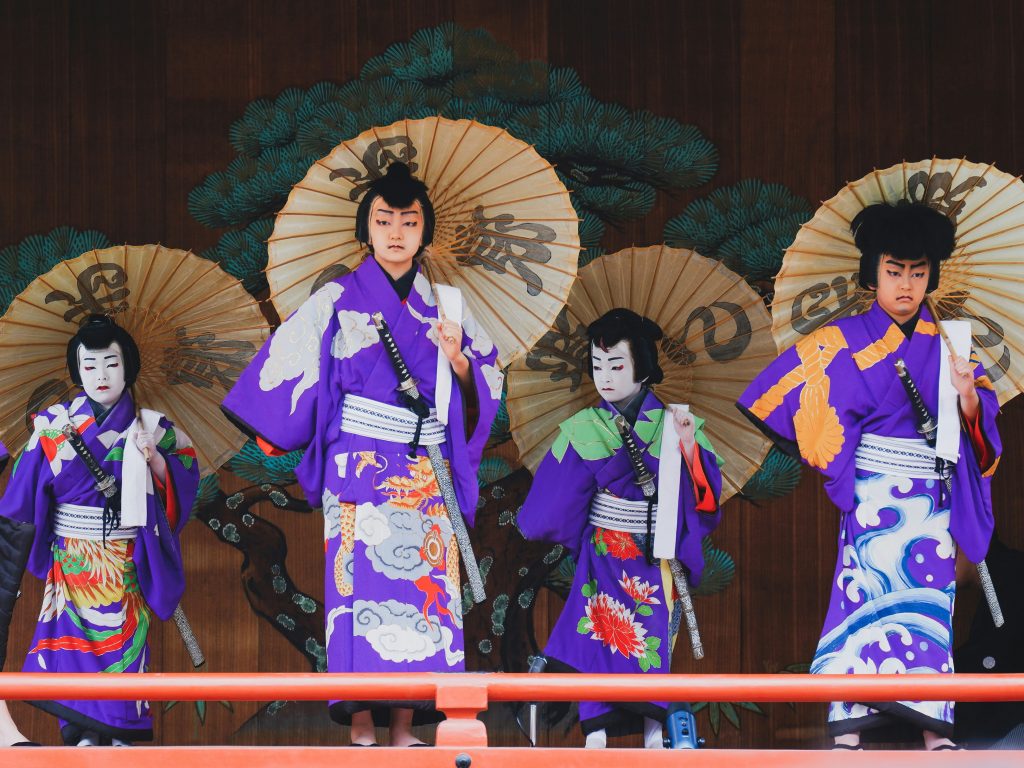
Asakusa feels like time travel. While other districts race toward the future, Asakusa preserves Tokyo’s past. Asakusa budget hotels offer incredible value in a neighborhood where tradition trumps trends, and visitors can also stay at traditional Japanese inns that provide authentic cultural experiences.
The Traditional Experience
Senso-ji Temple anchors the district, drawing millions of visitors each year through the famous Kaminarimon Gate. For travelers seeking authentic experiences, staying at a gate hotel near Kaminarimon Gate offers unmatched proximity to this iconic landmark, with convenient access and scenic views of the temple area. But beyond the tourist magnets, Asakusa reveals narrow alleys lined with craft shops, traditional restaurants, and family-run businesses spanning generations. This is where to find traditional Tokyo stay experiences without the Disney-fication.
Accommodation Options
Hostels: Khaosan Tokyo Kabuki (¥2,500/night dorms)
Guesthouses: Sakura Hostel Asakusa (private rooms ¥6,000)
Ryokan: Ryokan Kamogawa Asakusa (traditional experience ¥12,000+)
Ryokan-style hotels: For travelers seeking an authentic cultural experience, several ryokan-style hotels in Asakusa offer traditional Japanese architecture, warm hospitality, and often feature onsen (hot spring) facilities, providing a unique and immersive stay.
Hidden Advantages
Cheap hostels in Tokyo concentrate here, but location surprises too. Tokyo Skytree is within walking distance. River cruises depart from nearby piers. The subway whisks you to Ueno (5 minutes) or Ginza (15 minutes). Accommodations in Asakusa are also known for their clean rooms and high hygiene standards, giving guests peace of mind during their stay. Plus, staying at the Sensoji accommodation lets you explore the temple at dawn before the tourist crowds arrive.
Transport Considerations
While not on the Yamanote Line, Asakusa Station is a major subway station serving multiple lines, including the Ginza Line (Tokyo’s oldest subway) and the Asakusa Line (with access to Haneda Airport), providing easy access to the rest of Tokyo. The slight inconvenience of transfers is offset by significant savings and an authentic atmosphere.
Roppongi: Nightlife and Art Triangle
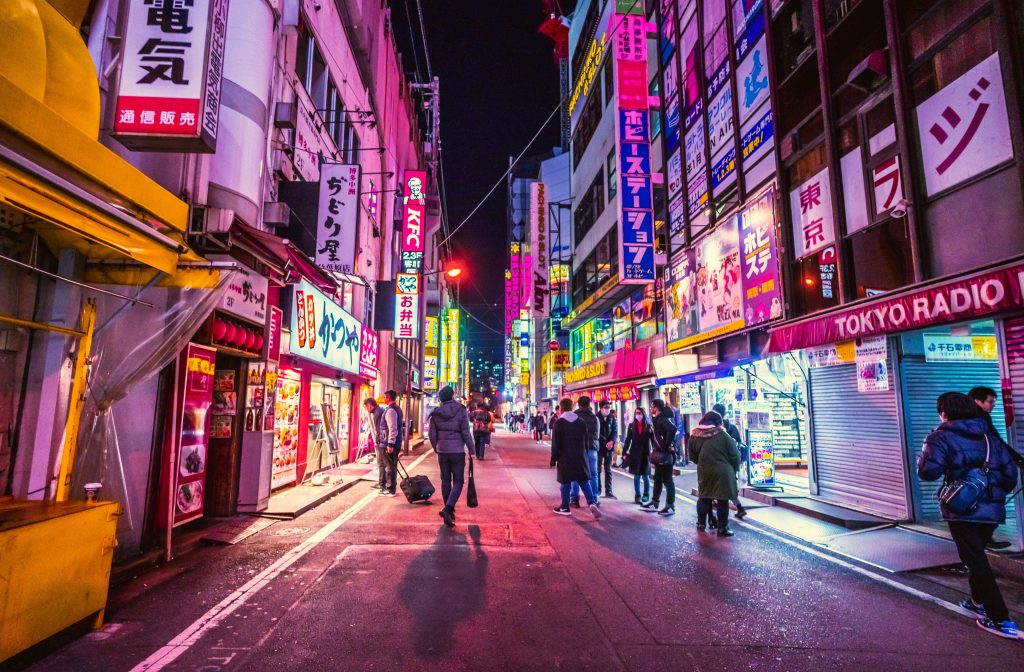
Roppongi operates on a different frequency than the rest of Tokyo. By day, it’s an art lover’s paradise. By night, it transforms into Tokyo’s international party district. Roppongi hotels put you at this intersection of culture and nightlife, with comfortable beds that ensure a restful, pleasant stay.
The Art Scene
The Roppongi Art Triangle (Mori Art Museum, National Art Center, and Suntory Museum) forms one of Asia’s premier cultural districts. The Mori Museum, perched atop Roppongi Hills, combines contemporary art with spectacular city views. Mori Art offers stay options in the complex, including the Grand Hyatt, which puts you at the heart of the art world and offers spacious rooms that provide comfort and luxury for guests seeking an enhanced stay.
International Nightlife
Roppongi’s bars and clubs attract Tokyo’s international crowd. Unlike predominantly Japanese nightlife districts, English is widely spoken here. The Tokyo nightlife district’s reputation means options ranging from craft cocktail bars to mega-clubs that party until dawn. If you visit Tokyo, be sure to experience Roppongi’s unique nightlife scene for an unforgettable evening.
Luxury Tower Hotels
Here are some of the best hotels in Roppongi, offering luxury, comfort, and unique experiences for every traveler:
- Grand Hyatt Tokyo (club-level rooms include breakfast and cocktails)
- Ritz-Carlton Tokyo (occupies Midtown Tower’s top floors)
- Hotel Villa Fontaine Roppongi (boutique option, half the price)
Connectivity
The Hibiya and Oedo subway lines serve Roppongi Station. While not on the Yamanote Line, connections are straightforward with one transfer reaching most major districts. Tokyo Midtown accommodation adds the bonus of direct underground passages, protecting you from the weather.
Ueno and Akihabara: Parks, Culture, and Otaku Hub
Ueno and Akihabara represent Tokyo’s cultural and pop-cultural poles. Ueno hotels cluster around Japan’s most important cultural park, where on clear days you may catch a glimpse of Mt. Fuji or easily take a day trip to Mt. Fuji from the area. Akihabara accommodation puts you in electronics and anime heaven.
Ueno’s Cultural Wealth
Ueno Park houses the Tokyo National Museum, National Science Museum, Ueno Zoo, and multiple art museums. Spring cherry blossoms here are legendary. The park provides rare green space in concrete Tokyo, perfect for families needing breathing room. Hotel rates in the Ueno area are often more competitive than those in other central Tokyo districts, making it an attractive option for budget-conscious travelers seeking convenient access to major attractions.
Airport Access Advantage
Skyliner Tokyo service makes Ueno one of the fastest connections to Narita Airport (36 minutes). From Ueno, travelers can easily connect to JR Tokyo Station for convenient access to other parts of Tokyo and beyond. This positions Ueno as an ideal first or last-night stop, minimizing stress on airport transfers. Several budget hotels near Ueno cater to this transit trade.
Akihabara’s Electric Appeal
Five minutes south, Akihabara pulses with a different energy. Electronics stores stack ten floors high. Maid cafes serve themed experiences. Vintage game shops treasure hunt for rare finds. It’s sensory overload in the best way. If you’re visiting Japan and have an interest in electronics or anime culture, Akihabara is a must-visit destination.
Family-Friendly Features
Both districts work well for families. Ueno offers educational attractions and park space. Akihabara provides interactive experiences kids love (minus the maid cafes). Many hotels in these areas feature spacious rooms, making them ideal for families who need extra comfort and space. Mid-range hotels here cost 30-40% less than equivalent options in Shibuya or Shinjuku.
Other Notable Areas: Tokyo Station, Ikebukuro, and Odaiba
Tokyo Station/Marunouchi
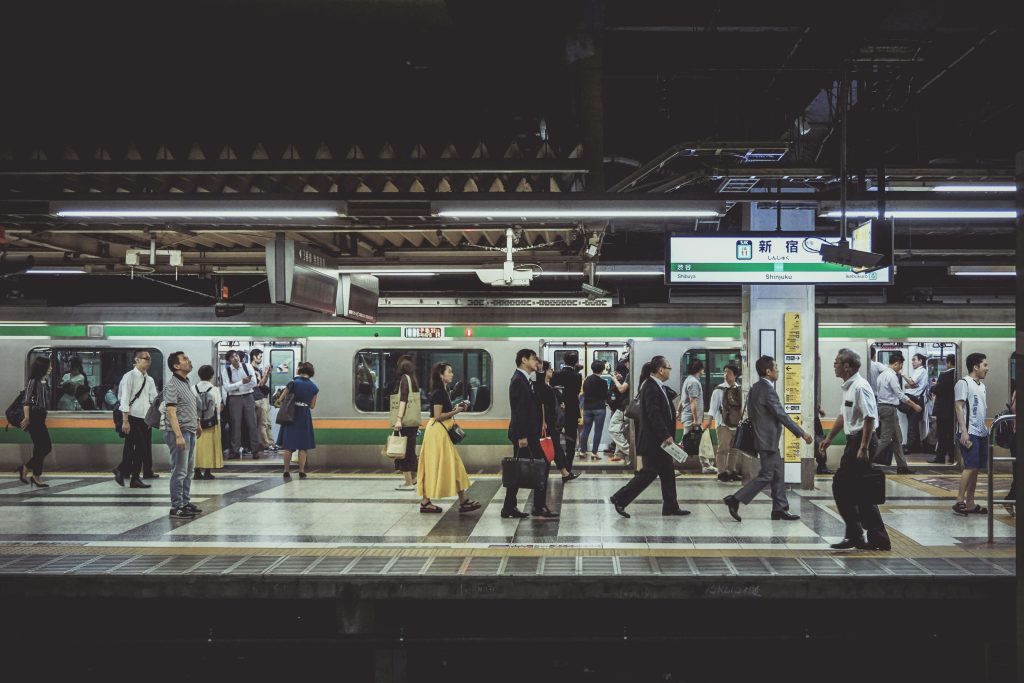
Tokyo Station hotels serve a specific traveler: those prioritizing Shinkansen access or conducting business in the financial district. Being near JR Tokyo Station is a major advantage, offering immediate connections to other districts and making travel around the city extremely convenient. The renovated station is a destination itself, with underground shopping/dining rivaling any mall. Marunouchi business hotels include the legendary Tokyo Station Hotel (inside the station building) and the Four Seasons. Premium prices reflect premium convenience.
Ikebukuro
Tokyo’s second-busiest station often gets overlooked by tourists, which means better hotel deals. Ikebukuro stay options range from capsule hotels to solid business chains. You get Shinjuku-like connectivity without Shinjuku prices. The massive Sunshine City complex provides shopping and entertainment, including an aquarium and planetarium.
Odaiba
This artificial island in Tokyo Bay feels like a different city. Odaiba family hotels include the Hilton Tokyo Odaiba and Grand Nikko, both offering resort-style amenities rare in central Tokyo. The trade-off? You’re 30-45 minutes from most tourist sites, connected only by the Yurikamome Line or expensive taxis. Best for exhibition attendees or families wanting pool/beach access.
Booking and Money-Saving Tips
Timing is everything when booking Tokyo hotel deals! Prices skyrocket during cherry blossom season (late March to early April) and Golden Week (late April to early May). Book six months in advance or be ready to pay the premium!
Strategic Booking Windows
Peak seasons: If you plan to travel during Japan’s peak seasons, make reservations well in advance of your stay. Book 4-6 months ahead.
Regular periods: 6-8 weeks provide you with the best selection.
Last-minute: Sometimes works for business hotels, risky for specific areas.
Transportation Savings
Your hotel location dramatically impacts transport costs. JR Pass hotels near JR stations maximize your pass value. Staying on the Yamanote Line eliminates most subway needs, saving ¥200-300 per trip. Calculate transport costs when comparing hotel prices. A cheaper hotel requiring multiple transfers might end up costing more overall.
Hidden Costs and Savings

Request non-smoking rooms explicitly, as smoking rooms often get assigned to foreign guests by default. Join hotel loyalty programs, even for a single stay; Asian properties usually offer better perks than Western counterparts. Tax-free shopping starts at ¥5,000, so coordinate purchases to maximize savings.
For the best time book Tokyo hotels, avoid Japanese holidays beyond the obvious ones. Obon (mid-August) and New Year see domestic travel surge. Conversely, June’s rainy season offers discounts despite the weather being manageable.
Sample Tokyo Itineraries by District
Your base district should align with your Tokyo itinerary, whether you’re planning a 3-day, 5-day, or week-long adventure. These sample itineraries are perfect for anyone visiting Tokyo and looking to make the most of their time. Here’s how to maximize each:
3-Day Tokyo Itinerary
Base: Shinjuku or Shibuya
- Day 1: Local area exploration (Meiji Shrine, Harajuku, Shibuya crossing)
- Day 2: East Tokyo (Asakusa, Skytree, Ueno)
- Day 3: Central sites (Imperial Palace, Ginza, Tokyo Tower)
5-Day Tokyo Itinerary
Base: Split between Shinjuku (3 nights) and Asakusa (2 nights)
- Days 1-3: As above from Shinjuku base
- Day 4: Move to Asakusa, explore traditional Tokyo
- Day 5: Day trip to Nikko or Kamakura
7-Day Tokyo Travel Guide
Base: Consider three hotels – Shinjuku (3), Ginza (2), Asakusa (2)
- Days 1-3: Western Tokyo from Shinjuku
- Days 4-5: Central/luxury experience from Ginza
- Days 6-7: Traditional/budget from Asakusa with possible Kyoto day trip
This district-hopping approach minimizes transit time while maximizing neighborhood immersion.
Finding Your Tokyo Home Away from Home

Tokyo is a huge city with endless possibilities for every type of traveler. Whether you dream of sleeping on tatami mats in a tranquil ryokan, indulging in the luxury hotels of Ginza, or discovering a stylish boutique hotel in Shibuya, your perfect Tokyo stay is just a booking away. The key is to match your hotel’s location and amenities to your travel style. Do you want to be steps from the neon lights of Shinjuku, or prefer a quiet base near Ueno Park?
No matter where you stay in Tokyo, you’ll find yourself within easy reach of the city’s major sights. Iconic landmarks like Tokyo Tower, Meiji Shrine, and Tsukiji Fish Market are all accessible thanks to Tokyo’s world-class train lines, especially the JR Yamanote Line, which loops through all the major districts. Even in a city this massive, efficient subway stations and train connections mean you’re never far from your next adventure.
From budget hotels to luxurious suites, and from traditional inns to modern business hotels, Tokyo’s accommodation scene is as diverse as the city itself. So start planning your Tokyo trip today. Whether you’re here for the art galleries, food, shopping, or history, you’ll find a home away from home that makes your visit truly unforgettable.
Ready to Book Your Perfect Tokyo Base?
Choosing where to stay in Tokyo is one of the most important decisions you’ll make for your trip. With so many incredible neighborhoods to explore and accommodation options to consider, having expert guidance can make all the difference. Travly specializes in helping travelers find the perfect Tokyo hotel based on their interests, budget, and itinerary. Whether you need help comparing districts, booking accommodations, or planning efficient daily routes that minimize transit time, Travly’s platform makes it simple to create your ideal Tokyo experience. Start planning your unforgettable journey to Japan’s dynamic capital today.
Frequently Asked Questions
Are capsule hotels worth it? Capsule hotels can be a unique experience and are budget-friendly. However, they offer limited privacy and space. It can be fun to try one for a night or two to experience Japanese-style lodging, but for greater comfort, consider staying in a regular hotel for most of your trip.
Is Shinjuku or Shibuya better for first-time visitors? Shinjuku offers great convenience, with easy access to transportation, shopping, and dining. Shibuya, on the other hand, is known for its vibrant, youthful atmosphere and iconic scramble crossing. Both neighborhoods are close to each other, so you can enjoy the best of both with some planning.
What is the safest area to stay in Tokyo? Tokyo is generally very safe for travelers. For added peace of mind, consider staying in areas like Marunouchi, near the Imperial Palace and Tokyo Station; Ginza, for upscale shopping and dining; or the western parts of Shinjuku, which are busy and well-patrolled.
Which Tokyo district is closest to Narita/Haneda? For Narita Airport, Nippori and Ueno are convenient train-access points. For Haneda Airport, Shinagawa is a suitable location due to its proximity and direct train connections. However, don’t choose your accommodation solely based on proximity to airports; overall, transportation links are excellent city-wide.
Can I stay in one area and explore the rest of the area by train? Absolutely. Tokyo boasts an extensive and efficient train and subway system that makes it easy to visit almost any district from a single base. Choosing a centrally located area can save travel time and give you more time to enjoy the city.