Ask ten travelers about the best time to visit New York, and you’ll get ten different answers. That’s because the city offers a dynamic experience year-round, with each season revealing its own magic, whether you’re a first-timer chasing landmarks or a repeat visitor hunting local gems.
The real key is knowing your priorities: do you care most about saving money, enjoying perfect weather, or catching iconic events? Each season brings something different. From spring blossoms to crisp winter air, choosing the right month can help you score hotel deals, skip long lines, and actually enjoy the city at your own pace.
No matter the month, New York offers something special year-round. Explore the city’s parks for outdoor events and seasonal activities, or visit the city’s botanical gardens to experience beautiful blooms in spring and festive displays in winter.
Our Travly experts have walked these streets, braved the summer heat, and bundled up for winter in the city. This guide blends their firsthand knowledge with real data on temperatures, hotel prices, crowd levels, sightseeing strategies, budgeting, and events to help you plan your perfect New York trip.
Introduction to New York City
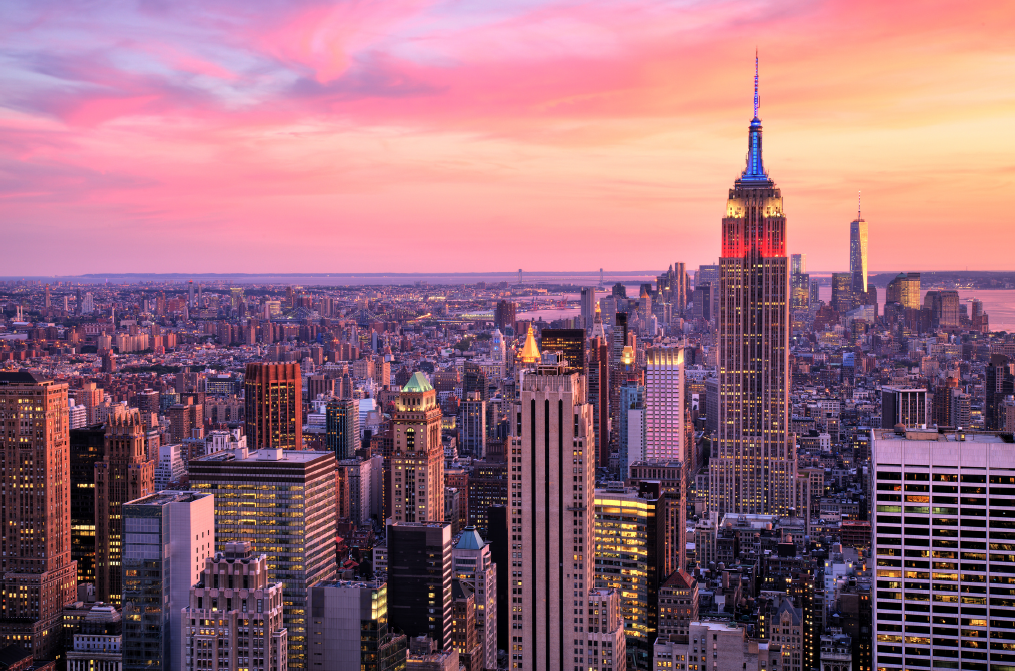
New York City, affectionately known as the Big Apple, is a destination that buzzes with energy no matter when you visit. From the iconic skyline and the peaceful paths of Central Park to the endless array of museums, theaters, and restaurants, NYC is a city that truly never sleeps. With four distinct seasons, each visit to New York offers a new perspective, whether you’re basking in the fresh air of spring, soaking up the sun during the summer months, admiring the vibrant fall foliage, or experiencing the city’s magical winter wonderland. Outdoor activities abound, from biking along the Hudson River to exploring the city’s parks and gardens. Whether you’re planning your first trip or returning to discover new corners of the city, this guide will help you choose the best time to visit New York City, so you can make the most of every season and every adventure the city has to offer.
NYC Travel Seasons at a Glance
Before we delve into the details, here’s your essential guide to New York seasons.
Spring (March-May)
- Weather: 40-70°F, occasional rain (average temperatures range from the low 40s to upper 60s)
- Crowd Level: Moderate (increasing toward May)
- Average Hotel Rate: $150-350/night
- Headline Events: St. Patrick’s Day (2 million spectators along Fifth Ave), Easter Parade, Fleet Week (annual events and seasonal events)
- Best For: Budget-conscious sightseers who enjoy mild weather, spring blooms, and lively city vibes
Summer (June-August) – NYC Peak Season
- Weather: 70-85°F, warm to hot, high humidity, frequent afternoon thunderstorms (average temperature in the mid-70s to mid-80s)
- Crowd Level: Maximum (this is the high season for tourism)
- Average Hotel Rate: $200-400/night
- Headline Events: Pride Month, July 4th, Summer Restaurant Week (annual events and seasonal events)
- Best For: Festival lovers who don’t mind heat and crowds
Fall (September-November) – NYC Shoulder Season
- Weather: 45-75°F, crisp and clear, transition from warm to cooler temps (average temperatures drop from the 70s to the 40s)
- Crowd Level: High (but manageable)
- Average Hotel Rate: $250-350/night
- Headline Events: Fall Foliage, Fashion Week, Halloween Parade, Macy’s Thanksgiving Parade (annual events and seasonal events)
- Best For: Travelers who enjoy cooler weather and seasonal charm
Winter (December-February) – NYC Off-Season
- Weather: 30-45°F, potential snow (average temperatures in the 30s to low 40s)
- Crowd Level: Low (except holidays; winter offers smaller crowds)
- Average Hotel Rate: $100-200/night (January-February)
- Headline Events: Holiday displays, New Year’s Eve, Winter Restaurant Week (annual events and seasonal events)
- Best For: Deal hunters and holiday magic seekers
Spring in New York City (March – May)
Spring in New York City transitions from the lingering cold of winter in early March to genuinely pleasant weather by May, with warmer weather returning and inviting more outdoor activities. Early March still sees temperatures hovering around 40-50°F, but by late April, you’re looking at comfortable days in the 60-70°F range, perfect for walking the High Line or picnicking in Central Park.
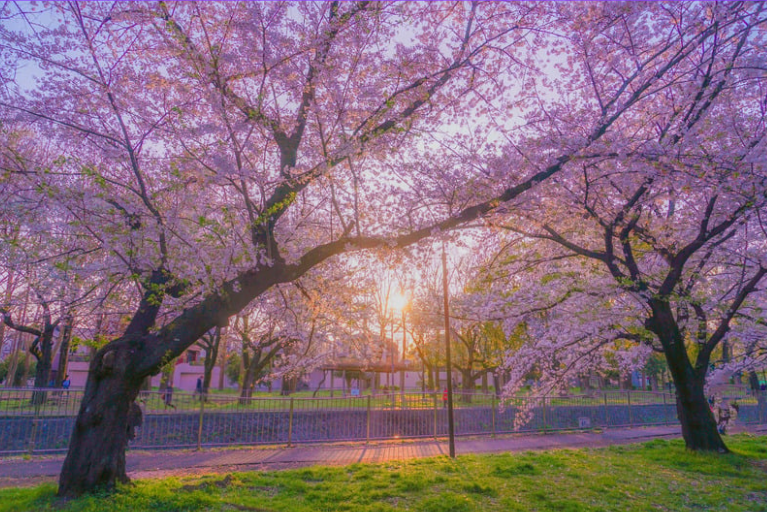
The city’s transformation happens fast. Cherry blossoms in Central Park typically peak between April 20 and 30, creating Instagram gold at the Reservoir and Bow Bridge. Spring is ideal for nature lovers, especially those interested in the city’s botanical gardens, which showcase vibrant blooms and special exhibits during this time of year.
April weather in NYC averages 62°F, but temperatures can swing dramatically! I’ve experienced both snow flurries and 80°F days in the same week of April. Weather-wise. To remain comfortable, layer strategically: a light jacket for mornings, a t-shirt for afternoons, and always carry an umbrella. April sees about 11 rainy days on average.
Here’s what most travelers miss: spring hotel deals in NYC are legitimate, especially in March and early April. Hotels slash rates 20-30% compared to summer peaks because business travel slows and leisure tourists haven’t arrived en masse. A Midtown hotel charging $450 in July might go for $280 in mid-March. Book directly with hotels and mention if you’re celebrating a special occasion. Properties often upgrade spring travelers to fill premium rooms.
Major spring events that impact pricing and availability: These key seasonal events can affect your travel plans and hotel rates.
- St. Patrick’s Day (March 17): Fifth Avenue becomes a sea of green with 2 million spectators. Book restaurants near the parade route well in advance.
- Easter Parade (March/April): Fashion show meets street party on Fifth Avenue. Free and fabulous.
- Tribeca Film Festival (April): Robert De Niro’s festival brings celebrities and sells out downtown hotels.
- Fleet Week (late May): Military ships dock in Manhattan and Brooklyn. Free ship tours are available, but expect to wait in security lines.
Spring’s biggest advantage? Outdoor dining returns. Restaurants unveil sidewalk seating, rooftop bars reopen (usually by May 1), and food markets like Smorgasburg launch their summer seasons. The city feels alive again after winter’s indoor hibernation, but you’re ahead of summer’s crushing tourist wave.
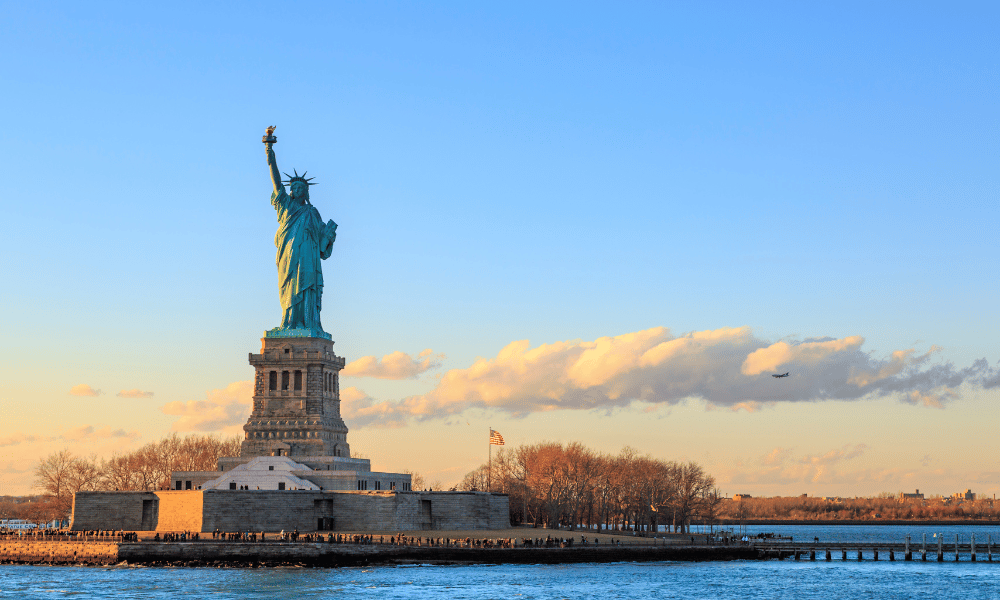
The downside: unpredictable weather and limited beach options. March can still deliver nor’easters, and even May rarely breaks 75°F consistently. Spring break weeks (mid-March and mid-April) see family crowds surge at attractions like the Statue of Liberty and the Empire State Building.
Summer in New York City (June – August)
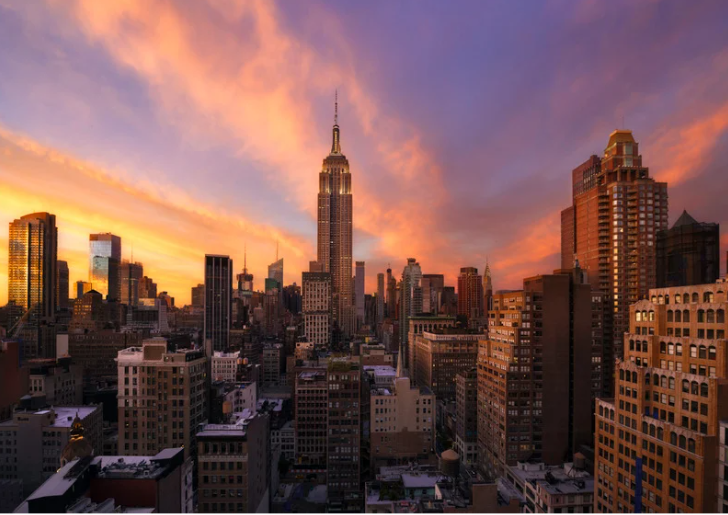
Summer in NYC means two things: non-stop events and oppressive heat. July is typically the hottest month, and it can be uncomfortably hot and humid throughout July and August. Average highs reach 85°F in July and August, but the real killer is the humidity, which makes 85°F feel like 95°F. Visitors should expect temperatures in the high 80s or higher. The concrete jungle effect (characterized by the heat radiating from asphalt and concrete) creates urban heat islands where temperatures run 5-10°F hotter than those in surrounding areas
NYC heat tips are essential for survival. Here are mine.
- Start sightseeing before 10 a.m.
- Take midday breaks in air-conditioned museums, and be prepared for the city’s aggressive air conditioning with a light jacket.
- Subway platforms become saunas. Union Square station regularly hits 100°F in August.
- Download the Citi Bike app as an alternative to underground travel.
NYC Pride Month in June transforms the city into a rainbow celebration culminating in the massive Pride March (last Sunday of June), drawing 2.5 million participants and spectators.
Hotels in Greenwich Village and Chelsea book solid months in advance, with rates jumping 40% that weekend.
July 4th fireworks in New York launch from barges in the East River, viewable from multiple boroughs. Skip the tourist-packed FDR Drive and head to Brooklyn Bridge Park or Gantry Plaza State Park in Queens for breathing room. Rooftop bars with views charge $200 or more per person for fireworks parties. Book by May or risk missing out.
New York festivals reach a fever pitch in summer, with warm weather in mid-June kicking off the festival season:
- SummerStage: 70+ free concerts across 13 parks (including Central Park) and all five boroughs.
- Shakespeare in the Park: Free tickets require morning-of dedication or digital lottery luck
- Governors Ball Music Festival: Three-day music fest on Randall’s Island featuring over 60 artists.
- Museum Mile Festival: Free admission to Fifth Avenue museums on one Tuesday in June
- Mermaid Parade: The largest art parade in the United States, held in June at Coney Island, featuring vibrant, sea-themed costumes and artistic expression.
- Summer Restaurant Week: Prix-fixe deals at 600+ restaurants for 3-4 weeks in late July through early August. (~$30-60 per meal)
- U.S. Open Tennis: Late August in Queens, with grounds passes under $100
Pro Tip: Pick your date early and buy your Grounds Pass from the official vendor (like Ticketmaster). They sell out quickly, and resellers often charge up to three times the price.
Beach escapes become essential. Coney Island and Rockaway Beach are accessible by subway (approximately 1.5 hours from Midtown). The Hamptons Jitney bus costs $41 each way for a glimpse into where wealthy New Yorkers escape. Fire Island offers car-free beaches via LIRR and ferry. On summer weekends, many New Yorkers head out of the city to the beaches so that city streets can be a bit less crowded.
Rooftop bars are at their busiest and priciest during the summer. Cocktails often run around $20, and popular spots like Westlight or 230 Fifth can have two-hour waits unless you show up before 6 p.m. on weekdays. For weekend evenings, many places require reservations to be made weeks in advance.
Here’s the financial reality: summer is expensive. Hotels in Manhattan typically cost $300-400 per night, with many requiring a three-night minimum stay on weekends. Even budget properties in Queens charge $200 or more. Airbnb prices similarly spike if you must visit in summer, book by March and consider staying in Jersey City or the outer boroughs.
Fall in New York City (September – November)
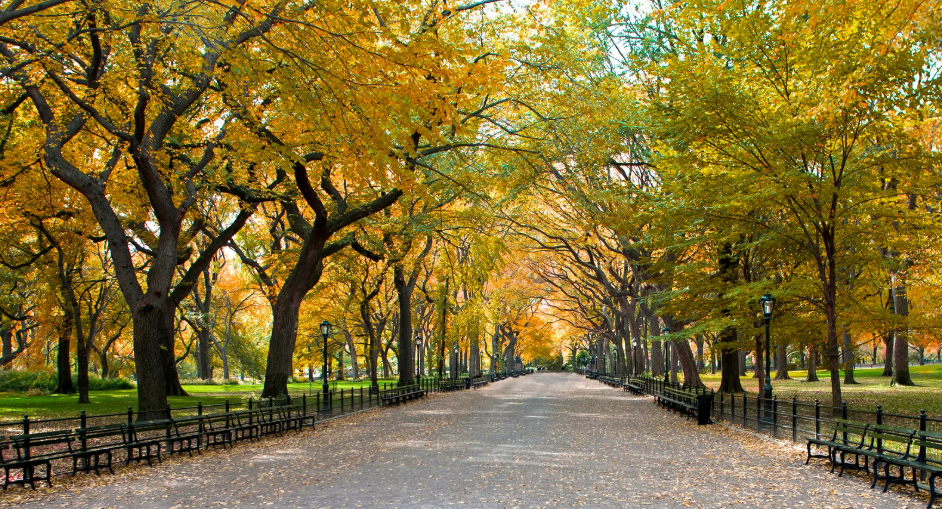
Fall in New York City delivers what summer promises but rarely achieves: perfect weather for exploring. Early fall, particularly September and October, offers mild weather and vibrant foliage, making it an ideal time to visit. September starts warm (80°F), but drops to an ideal range of 65-75°F by late September through October. As the season progresses, expect temperatures to drop steadily. November brings crisp 50-60°F days ideal for walking miles without sweating or shivering.
The city’s cultural calendar explodes after Labor Day. Early September marks a transitional period, with events like Fashion Week and the West Indian American Day Parade kicking off the season. Broadway shows launch their fall seasons, museums unveil blockbuster exhibitions, and Lincoln Center’s opera, ballet, and symphony seasons begin. This isn’t a coincidence. It’s when New York’s wealthy residents return from the Hamptons ready to spend on culture.
NYC foliage peaks in late October through early November, about two weeks after upstate New York. Central Park becomes an 843-acre backdrop of gold and crimson. For peak foliage without leaving the city, hit Fort Tryon Park and The Cloisters in upper Manhattan. You’ll find fewer crowds and equally stunning colors.
Major fall events that define the season:
- Fashion Week (September): The city becomes a runway, hotels spike in Midtown
- West Indian American Day Parade: Brooklyn’s massive Caribbean celebration on Labor Day
- New York Comic Con dates: Usually early October, sells out the Javits Center and nearby hotels (scheduled for Oct. 9-12, 2025)
- Village Halloween Parade: October 31, America’s largest public Halloween celebration
- NYC Marathon spectators: First Sunday of November, 2 million line the streets
- Macy’s Thanksgiving Parade: 3.5 million spectators, hotel rates triple
Here’s insider intelligence for fall New York City visits: September, after Labor Day, through mid-October offers the sweet spot of beautiful weather, smaller crowds, and slightly lower prices, as families return to school routines. Hotels that charged $450 in August might drop to $350 in late September. Then rates climb steadily toward Thanksgiving.
The marathon weekend deserves special attention. While 50,000 run, 2 million spectators line the route through all five boroughs. Hotels along the route are booked solid. The energy is electric, but if you’re not into crowds, steer clear of the first Sunday of November entirely. Similarly, some travelers may want to steer clear of Thanksgiving week to avoid the largest crowds and highest hotel prices.
Fall farmers’ markets reach peak abundance at Union Square, Grand Army Plaza, and 79th Street. Apple cider donuts, fresh produce, and seasonal flowers create the quintessential autumn New York experience. Many restaurants launch new fall menus featuring seasonal ingredients, so make reservations for your favorite hotspots at least two weeks in advance.
The downside? Everyone knows fall is magical. International tourists flock to the city for ideal weather and holiday kickoffs. Major attractions require advance booking, and spontaneous restaurant reservations become impossible at desirable spots. Weather can also change rapidly, as seen earlier this year when temperatures dropped nearly 30°F in under 60 minutes (from 80°F to 53°F)..
Winter in New York City (December – February)
Winter in New York splits into two distinct experiences: the magical, expensive holiday season (December) and the bargain frozen tundra (January-February).
December transforms Manhattan into a real-life snow globe, even without actual snow. The Rockefeller Center Christmas tree towers 75 feet with more than 50,000 LED lights. Ice skaters glide below while tourists pay up to $54 in admission for a quick spin on the ice (reserve online or potentially wait two hours). Window displays at Saks, Bergdorf Goodman, and Macy’s draw sidewalk crowds ten-deep. The Christmas season brings festive events like the Radio City Christmas Spectacular, holiday markets, and special light displays throughout the city, making it one of the most popular times for holiday travel and festivities.
Times Square New Year’s Eve remains bucket-list material, despite the harsh reality: standing in 20°F weather for over 8 hours without bathroom access while penned in by metal barriers. If you must, arrive by 3 p.m. for decent views. Smart alternative: book a restaurant with views or watch fireworks from Brooklyn.
Then, early January arrives, and tourists vanish like Cinderella at midnight. NYC January hotel deals are impressive, with luxury hotels that charged $600 on December 23 offering rates as low as $250 by January 10. Lower hotel rates are widely available in January and February, making this an ideal off-peak season for budget-conscious travelers. The Mandarin Oriental, St. Regis, and Peninsula run January promotions, including spa credits and room upgrades.
NYC Restaurant Week (Winter) takes place from late January to early February. Over 600 restaurants, including Michelin-starred establishments, offer prix-fixe menus for lunch at $30 and dinner at $45 to $60. Book immediately when reservations open, as the best spots fill within hours.
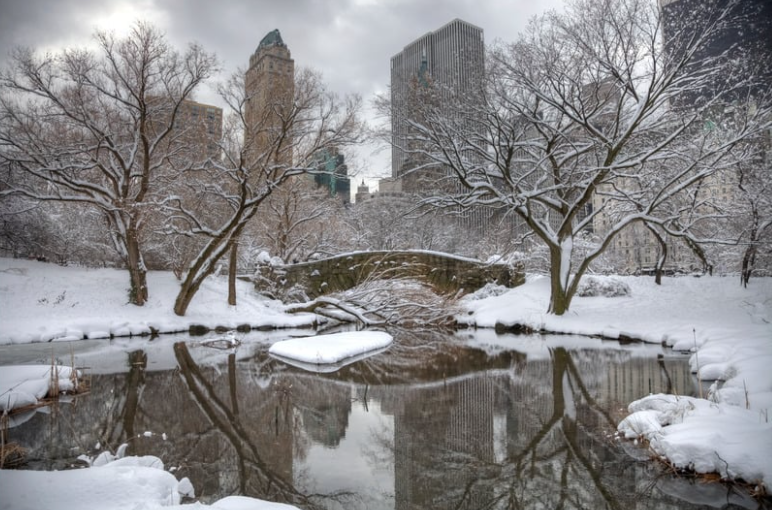
Winter weather reality check: January averages 40°F highs and 29°F lows. Wind chill makes it feel colder, especially near the rivers. Snow happens, but it isn’t guaranteed. Some winters see nearly 30 inches, others barely dust the sidewalks. When blizzards hit, the city becomes surprisingly magical as traffic disappears and Central Park becomes a winter wonderland.
Cold-weather packing essentials:
- Waterproof boots with grip (sidewalks get icy)
- Layers: thermal base, sweater, down coat
- Hat covering ears, touchscreen gloves
- Lip balm and moisturizer (indoor heat is desert-dry)
Indoor attractions shine in winter: Museums stay comfortable, Broadway shows feel cozier, and shopping becomes a survival activity. The Met, MoMA, and Natural History Museum offer perfect full-day escapes. Book skip-the-line tickets. Even in January, weekend lines exist. For outdoor winter attractions, the city’s botanical gardens host special holiday light displays and winter exhibits, offering a scenic and festive experience for visitors.
Surprising winter perks: Locals reclaim their city, making restaurants friendlier and less touristy. Central Park, covered in snow with no crowds, feels like having Manhattan to yourself. Jazz clubs, comedy venues, and intimate theaters thrive as New Yorkers seek indoor entertainment.
February brings Lunar New Year celebrations to Chinatown and Flushing, featuring parades, fireworks, and special dumpling deals. Fashion Week returns mid-February, briefly spiking hotel demand. Valentine’s Day sends restaurant prices soaring, so expect prix-fixe menus everywhere.
Season-to-Season Comparison: Which One Is Right for You?
Let me cut through the noise and match you with your best season to visit NYC based on what actually matters to your trip:
For Budget Travelers: January-February wins hands down. Hotels drop by around 30% from peak rates, flights cost half of summer prices, and Restaurant Week offers fine dining at fast-casual prices. This is also when you’ll find lower hotel rates, as winter is considered the low season due to cold weather and occasional snowstorms. Yes, you’ll freeze, but you’ll save enough actually to enjoy the city instead of stress-eating dollar pizza. March and late November (post-Thanksgiving) offer secondary sweet spots.
For Families with Kids: Late September through October balances decent weather with manageable crowds. Summer seems obvious, but becomes a sweaty endurance test with children. Spring break weeks work if you book attractions in advance. December’s holiday magic enchants kids, but be prepared for premium prices and packed crowds.
For Event Seekers: Mark your calendar for the annual events and seasonal events that align with your interests and start planning! First, enjoy the Pride celebration in June. Then, get ready for the excitement of the U.S. Open in late August. After that, November brings the NYC Marathon, one of the city’s major annual events. With military-level planning and Buddha-level patience, you might just find epic deals for the iconic New Year’s Eve festivities in Times Square or the Macy’s Thanksgiving Parade, both of which are celebrated annual events. Finally, be sure to take part in summer festivals and fall cultural events. These seasonal activities offer the most options in summer, while fall provides a touch of sophistication.
For Food Enthusiasts: October and November showcase harvest menus and wine dinners as restaurants debut their fall offerings. January-February Restaurant Weeks provide access to otherwise unaffordable establishments. Summer outdoor markets and food festivals offer a variety of options, but be prepared for heat and crowds.
For Romance Seekers: May delivers Central Park in bloom without summer’s sweaty reality. October provides crisp evening walks and cozy wine bars. December’s holiday atmosphere sets magical scenes, but you’ll share them with millions. Unless you’re planning the perfect proposal, February’s Valentine’s premium isn’t worth it. Try visiting in early March instead.
For Photography Enthusiasts: Late October’s foliage, April’s cherry blossoms, and December’s holiday lights provide classic shots. Fresh snow in January and February transforms the city, but the timing is unpredictable. The golden hour lasts the longest in June, but heat shimmer can affect afternoon shots.
This NYC weather comparison shows the trade-offs clearly: perfect weather (fall) means crowds and costs, budget prices (winter) mean frozen extremities, festivals (summer) mean crushing heat. Summer and the holidays are considered high season, with higher prices and crowded attractions. Spring offers the best balance for most travelers, with decent weather, moderate prices, and a renewed sense of energy.
Hotel and Flight Price Trends by Month
Let’s examine actual NYC hotel prices with data instead of generalizations. Recent STR and Skift reports indicate that Manhattan hotel occupancy reached 85% in November 2025, resulting in premium pricing and limited availability.
Here’s the monthly breakdown of average Manhattan hotel rates:
- January: $225 (cheapest month to visit New York, with lower hotel rates compared to peak seasons)
- February: $240 (also offers lower hotel rates than peak months)
- March: $275
- April: $325
- May: $350
- June: $400
- July: $450 (peak summer)
- August: $425
- September: $375
- October: $400
- November: $425
- December: $385 (average with wild swings)
Visiting with Kids: Family-Friendly Tips by Season
Visiting New York City with kids is an adventure in itself, and each season brings its own set of family-friendly highlights. In the summer months, the city’s parks come alive. Central Park is perfect for picnics, playgrounds, and rowboat rentals, while the Bronx Zoo and the splashy fun of city fountains offer cool escapes from the heat.
When winter arrives, families flock to the ice skating rinks at Rockefeller Center and Bryant Park, where twinkling lights and festive music create a magical atmosphere. Spring is a wonderful time to explore the city’s botanical gardens, where kids can spot blooming flowers and enjoy hands-on exhibits. Fall brings the beauty of changing leaves, especially in Central Park, making it a great time for nature walks and family photos amid the fall foliage.
No matter the season, plan for the weather. Pack layers for spring and fall, sunscreen and hats for summer, and warm coats for winter. Take breaks at kid-friendly cafes, and consider booking a hotel with amenities like a pool or game room to keep little ones entertained after a day of exploring. With a bit of planning, your family’s visit to New York City will be filled with unforgettable memories.
Romantic Getaways
Few cities set the stage for romance quite like New York City. During the holiday season, the city is transformed into a festive wonderland, glowing with vibrant lights and holiday decorations, making it the perfect backdrop for a romantic escape. Couples can skate hand-in-hand beneath the towering Rockefeller Center Christmas tree or share a cozy moment at the Bryant Park rink.
In spring, Central Park bursts into bloom, offering scenic strolls, rowboat rides, and quiet corners for a picnic among the cherry blossoms. The city’s botanical gardens also provide a tranquil retreat for lovebirds.
Summer invites couples to dine al fresco on rooftop terraces, take sunset cruises along the Hudson, or enjoy open-air concerts under the stars. As fall arrives, the city’s parks transform with brilliant fall foliage, setting the scene for romantic walks and intimate dinners at candlelit restaurants. Whether you’re planning a proposal, celebrating an anniversary, or simply seeking a wonderful time together, New York City offers enchanting experiences for couples year-round.
Food and Drink: Seasonal Flavors and Must-Try Experiences
New York City’s food scene is as dynamic as the city itself, with each season bringing new flavors and culinary adventures.
During the summer months, outdoor dining takes center stage. Think fresh seafood at waterfront restaurants, smoky BBQ at pop-up markets, and icy cocktails on rooftop bars with sweeping city views.
Fall ushers in a harvest of local produce, with restaurants featuring dishes starring apples, pumpkins, and squash, and bakeries tempting visitors with spiced treats.
Winter is the season for comfort food: warm up with a steaming bowl of ramen, indulge in rich hot chocolate, or savor a classic New York slice in a cozy pizzeria.
Spring brings a burst of freshness, with farmers’ markets overflowing with greens and chefs highlighting the season’s best vegetables.
Don’t miss a food tour through Little Italy or Chinatown, where you can sample everything from handmade pasta to dim sum. Whether you’re a dedicated foodie or just looking to try something new, visiting New York City promises a delicious journey through the city’s ever-changing culinary landscape.
Getting Around: Transportation Tips for Every Season
Navigating New York City is part of the adventure, and the best way to get around often depends on the season.
In the summer months, take advantage of the city’s extensive subway and bus system to beat the heat, or rent a bike to cruise through the city’s parks and along scenic greenways.
Spring and fall are ideal for exploring on foot. Enjoy the mild temperatures as you wander through vibrant neighborhoods or stroll across the Brooklyn Bridge.
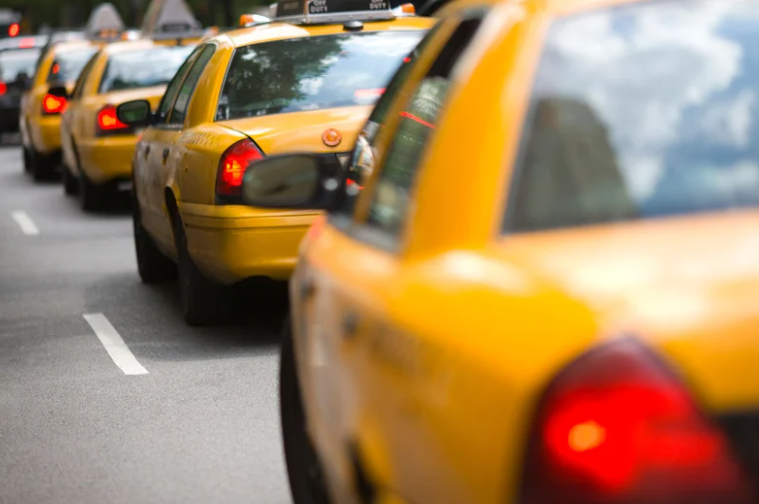
When the chilly winter weather sets in, ride-hailing services and taxis offer a warm and convenient way to travel between indoor attractions, while the subway remains a reliable option even on snowy days.
Purchase a MetroCard for easy access to public transportation, and remember that driving in the city can be more hassle than it’s worth.
With many pedestrian-friendly areas and a growing network of bike lanes, navigating New York City is easy, efficient, and often part of the fun, regardless of when you visit.
Your Perfect NYC Season Awaits
New York City transforms with the seasons, so the “best” time to visit hinges on your priorities: weather, crowds, and budget. Crave low prices and peace? Brave winter’s chill in January/February. Love vibrant energy, heat, and crowds? Summer’s your jam. For ideal weather and culture, fall reigns supreme, but expect peak prices and crowds. December is pure holiday magic, albeit costly and packed. For most, spring hits the sweet spot: pleasant weather and better deals before summer’s rush. Ultimately, there’s no perfect time that delivers ideal weather, no crowds, and low prices simultaneously, so pick your priorities and plan accordingly.